Rédaction Africa Links 24 with Zimeye
Published on 2024-04-17 12:22:03
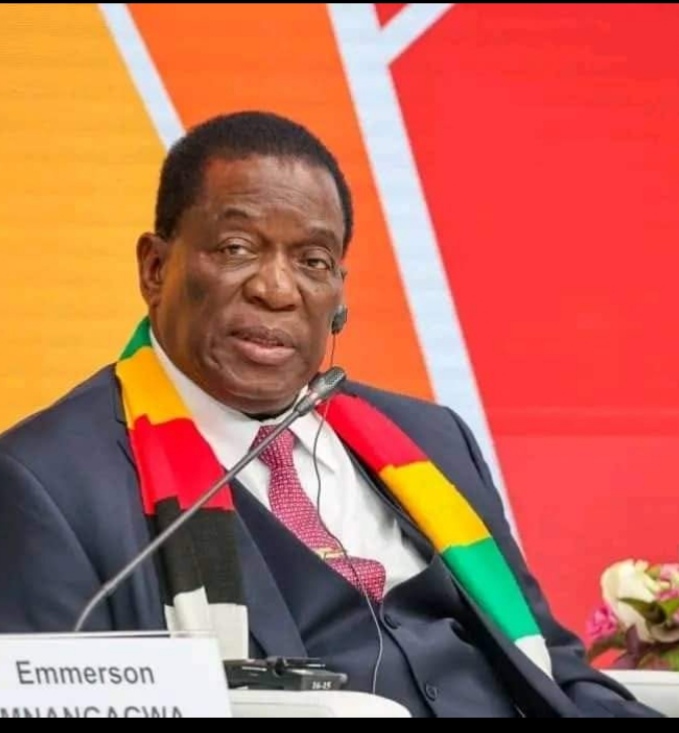
In recent unsettling news, it has been reported that the government of Zimbabwe, led by Emmerson Mnangagwa, is allegedly using food aid as a political tool to punish opposition supporters by excluding them from essential relief efforts. This revelation has sparked widespread concern and criticism within Zimbabwe and internationally, reigniting debates on the politicization of humanitarian assistance in the country.
Reports indicate that the government plans to distribute 81,000 tons of grain as food aid over the next two months to address food shortages exacerbated by the El Niño-induced drought. President Mnangagwa has declared this drought a national disaster, highlighting the urgent need for resources, including $2 billion, to support millions facing food insecurity. However, amidst this humanitarian crisis, there are accusations of selective distribution based on political allegiance.
An anonymous government source disclosed the administration’s intention to allocate food aid based on political loyalty, with opposition supporters being intentionally excluded from receiving assistance. This discriminatory approach has been met with outrage from human rights advocates and opposition leaders, who have condemned it as inhumane and unconstitutional.
International observers have also expressed deep concern over these reports, with one human rights defender describing the use of food as a political weapon as appalling and deserving of strong condemnation. The United Nations has called on Zimbabwe to uphold humanitarian principles and ensure that food aid reaches those most in need, regardless of their political affiliations.
While Mnangagwa’s administration has denied accusations of politicization and claims to prioritize equitable distribution based on vulnerability assessments rather than political loyalties, skepticism remains high given Zimbabwe’s history of political interference in humanitarian affairs. The legacy of former President Robert Mugabe, known for corruption and human rights abuses, continues to cast a shadow over the governance of Zimbabwe.
Amidst economic challenges and a deepening humanitarian crisis, the focus should be on addressing the needs of vulnerable populations without discrimination based on political beliefs. Zimbabwe’s leaders are urged to uphold fairness and compassion in distributing vital resources, ensuring that food aid reaches all who require assistance.
Mnangagwa’s administration is facing a crucial test of its commitment to human rights and inclusive governance in light of mounting pressure from the international community, civil society organizations, and concerned citizens. The fundamental right to food for all citizens, regardless of their political beliefs, must be upheld, with calls for Zimbabwe to demonstrate a dedication to inclusivity and human dignity in its distribution of food aid.
As the situation unfolds, it is essential for Zimbabwe to show leadership in upholding humanitarian principles and ensuring that the basic needs of its people are met without bias or discrimination. The international community stands ready to support efforts towards fair and equitable distribution of resources to those most in need.
Read the original article on The Zimbabwe Eye