By Africa Links 24
Published on 2024-04-19 07:42:39
The World Bank Group, in collaboration with the African Development Bank (AfDB), has set an ambitious goal to provide electricity access to at least 300 million people in Africa by the year 2030. This initiative aims to connect 250 million individuals to electricity through renewable energy systems, with the AfDB supporting an additional 50 million people. However, accomplishing this monumental task will require substantial investment.
The projected cost for this project is estimated to be around $30 billion in public sector investment. The International Development Association (IDA), a branch of the World Bank that supports funding for low-income developing countries, has committed $20 billion towards the project. The remaining $10 billion is expected to come from other public sources. Additionally, the World Bank is looking towards the private sector to contribute to funding efforts. The Bank emphasizes that African governments need to implement policies that attract private investment and reform their utilities to make them more financially sustainable.
Currently, 57% of utilities in Sub-Saharan Africa are unable to cover their operating costs, making them unattractive to private investors. By implementing reforms that improve the operational and financial performance of these utilities, they can become financially stable and attract private investment. This, in turn, will play a crucial role in achieving the goal of connecting millions of people to electricity.
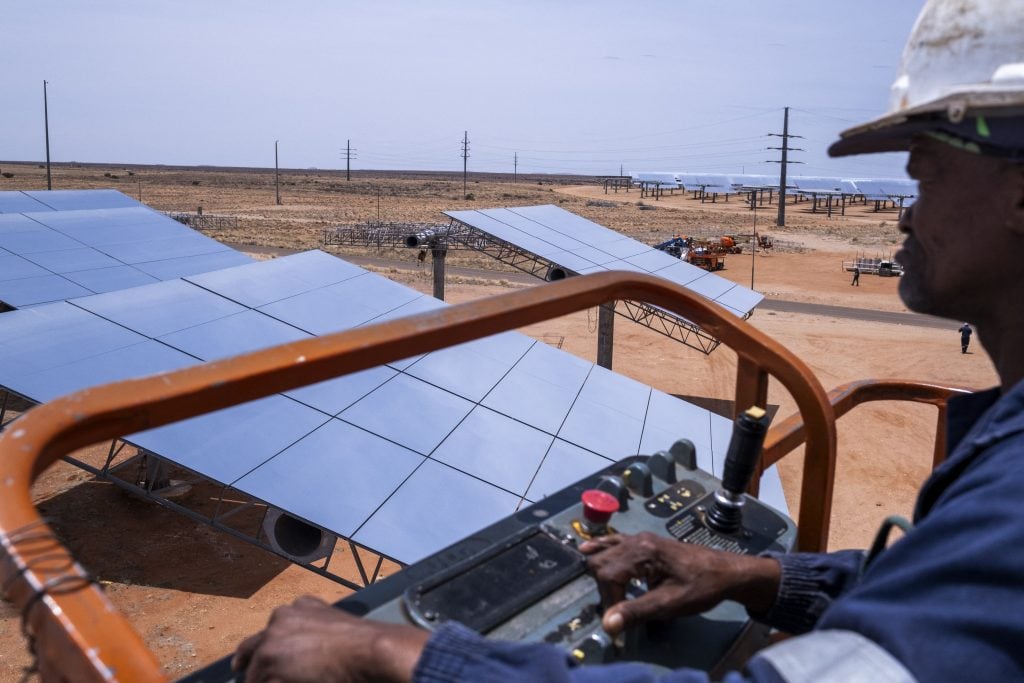
Connecting 250 million people to electricity in Africa would also open up investment opportunities in distributed renewable energy (DRE) worth $9 billion. DRE technologies are known for their easy installation, reliability, and independence from national power grids, making them particularly valuable in remote areas.
The lack of access to electricity is a significant issue in Africa, where 600 million people – about half of the population – currently do not have access to electricity. This deficit creates barriers to healthcare, education, digital inclusivity, and job creation. The World Bank argues that access to electricity is essential for successful development efforts and economic growth.
Despite the positive intentions behind the initiative, climate campaigners from the Big Shift Campaign have raised concerns about the lack of a detailed roadmap for how this ambitious goal can be achieved in six years. Questions have been raised about the implementation and funding of the initiative, as well as how it will differ from existing efforts in the region.
In conclusion, the World Bank Group and the African Development Bank are working towards providing electricity access to millions of people in Africa by 2030. This initiative, while ambitious, requires significant investment, policy reforms, and contributions from the private sector. Access to electricity is seen as a fundamental element for economic growth, job creation, and overall development in the region. However, challenges and questions remain regarding the execution and financing of this initiative, highlighting the importance of collaboration and innovation in achieving this goal.