Rédaction Africa Links 24 with Uganda Monitor
Published on 2024-03-17 04:19:04
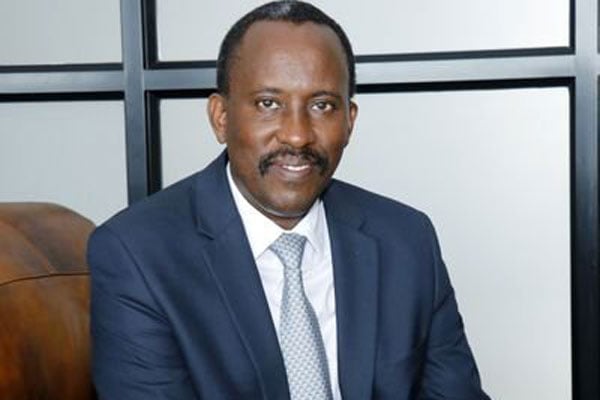
President Museveni has announced the renewal of Mr John Musinguzi Rujoki’s contract as Commissioner General of the Uganda Revenue Authority (URA). Mr Musinguzi, who previously served in the Finance and Audit Department in the Special Revenue Protection Services, has been leading the tax body for almost four years. He took over the position from Ms Doris Akol, who had been in office for five years and five months.
Despite overseeing significant improvements in tax collections during her tenure, Ms Akol did not receive a contract extension. Under her leadership, the revenue collections for URA grew from just under Shs12 trillion in FY 2015/2016 to Shs16.6 trillion in FY 2018/2019.
Mr Musinguzi’s appointment came at a challenging time for URA, as the taxman was struggling with revenue collection shortfalls and missed targets. The pandemic containment measures introduced in March 2020 added to the difficulties faced by the new Commissioner General. Despite the challenges, URA managed to collect Shs16.75 trillion, falling short of the target of Shs20.33 trillion.
During his first term, Mr Musinguzi focused on combating corruption, enhancing tax education, improving human resource management, strengthening stakeholder relationships, and leveraging technology to boost revenue collections. While URA did not meet targets set by the Ministry of Finance in FY2020/2021 and FY2021/2022, revenue collections saw a significant increase, reaching Shs25.2 trillion in FY 2022/2023.
The tax-to-GDP ratio ranged between 10 and 14 percent during Mr Musinguzi’s term, achieving the highest ratio of 14 percent in FY 2022/2023, the highest in 33 years. The implementation of technology-driven solutions, such as the Digital Tracking Solution (DTS) and instant Tax Identification Numbers issuance, contributed to the growth in revenue collections.
URA also focused on stakeholder engagements, signing agreements with other tax bodies and associations to improve tax compliance and revenue mobilization. The organization’s membership in the Council on African Tax Administration Forum (ATAF) and the Organisation for Economic Co-operation and Development (OECD) has enhanced cooperation and information exchange with other tax authorities.
Efforts to combat corruption within URA led to the dismissal of staff involved in fraudulent activities, resulting in the loss of revenue. The introduction of the Comprehensive Integrity Strategy (CIS) and Alternative Dispute Resolution (ADR) mechanisms aimed at improving internal integrity and resolving tax disputes outside the court system.
Tax education initiatives were also prioritized to increase voluntary compliance with tax laws. These efforts, combined with technology-driven solutions and stakeholder engagements, will continue to be key focus areas for Mr Musinguzi in his new term. The goal is to increase Uganda’s tax-to-GDP ratio to at least 18 percent by the end of FY2024/2025.
Read the original article on Uganda Monitor


