By Africa Links 24
Published on 2024-03-05 10:19:30
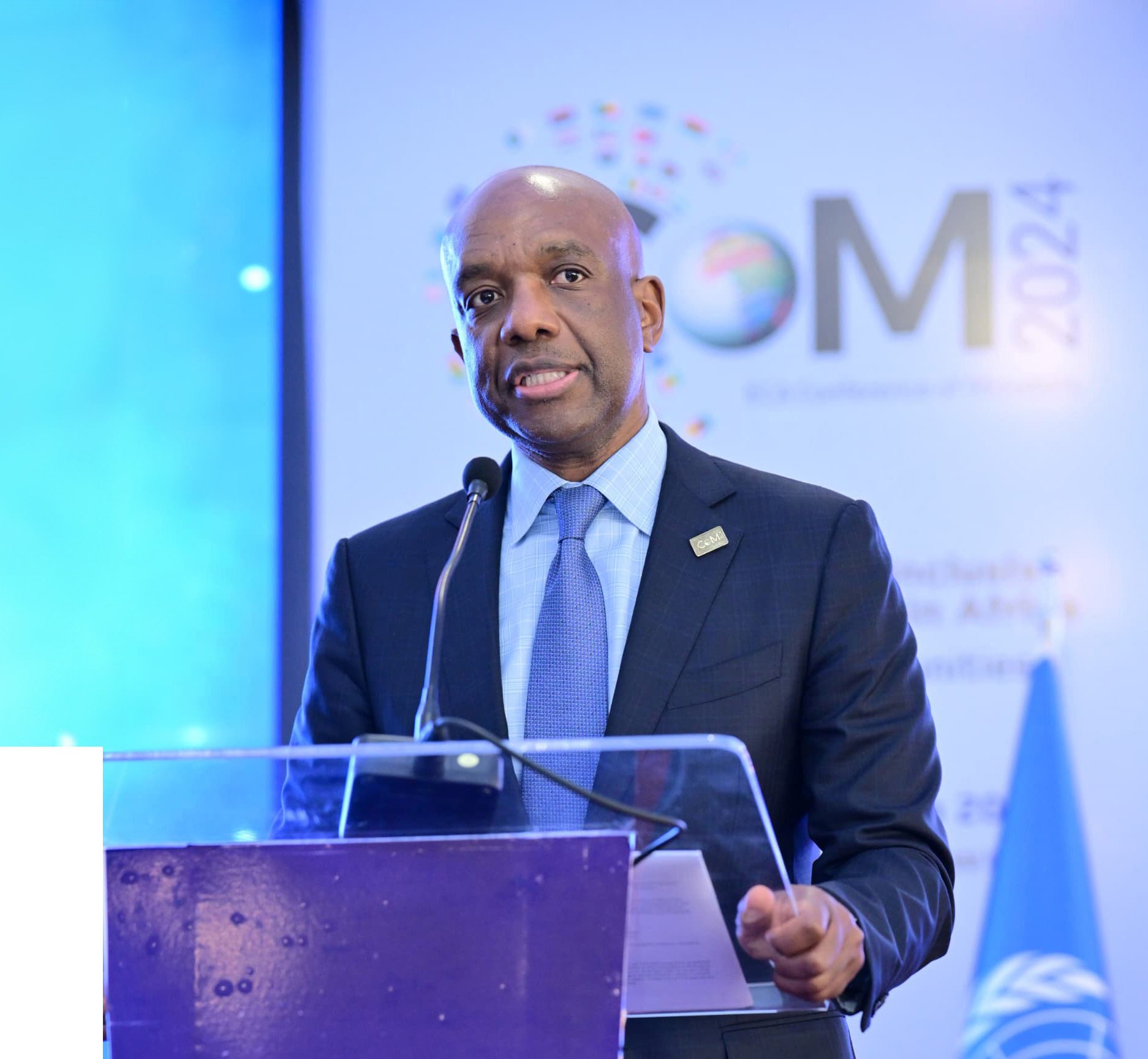
The keynote speaker at the 2024 Adebayo Adedeji Memorial Lecture at CoM2024, James Manyika, Senior Vice-President for Research, Technology and Society at Google, shared his insights on the impact of Artificial Intelligence (AI) on society. Manyika, who is also the co-chair of the UN High Level Advisory Body on Artificial Intelligence, highlighted the potential benefits of AI in assisting people, powering the economy, accelerating scientific breakthroughs, and addressing societal challenges.
According to Manyika, AI has the potential to improve lives through advancements in scientific research and discovery. It has already been utilized to fund cures for diseases, discover minerals for next-generation technology, and predict natural disasters faster. In some African nations, AI capabilities are being deployed to make healthcare more accessible, such as in Kenya where AI models are being tested to make ultrasounds more readily available in under-resourced settings.
Despite the numerous advantages of AI, Manyika acknowledged that there are potential drawbacks and complexities to consider. One major concern is the impact AI may have on jobs. While research suggests that AI could create new types of employment, there is also the fear that job losses could occur, leaving workers without the necessary skills to transition into new roles. Addressing these issues of workforce readiness and skilling will be crucial, especially for Africa where a large young population will have to adapt to AI-related changes in the workforce throughout their careers.
Manyika stressed the importance of investing in education and training programs to ensure that workers are equipped with the necessary skills to thrive in an AI-driven economy. Google, for example, is actively engaged in initiatives to provide certified training programs for thousands of Africans. By focusing on skill development and supporting worker transitions, companies can help mitigate the potential negative impacts of AI on employment.
In conclusion, Manyika emphasized the need for investment, innovation, diffusion, and a supportive policy agenda to harness the full potential of AI for societal development. While AI has the power to revolutionize industries and improve lives, proactive measures must be taken to address the challenges it poses, particularly in terms of workforce adaptation and skill development. By prioritizing education and training, countries can ensure that their workforce is prepared for the inevitable changes brought about by AI technologies.