By Rédaction Africa Links 24 with Africanews
Published on 2024-01-18 12:19:44
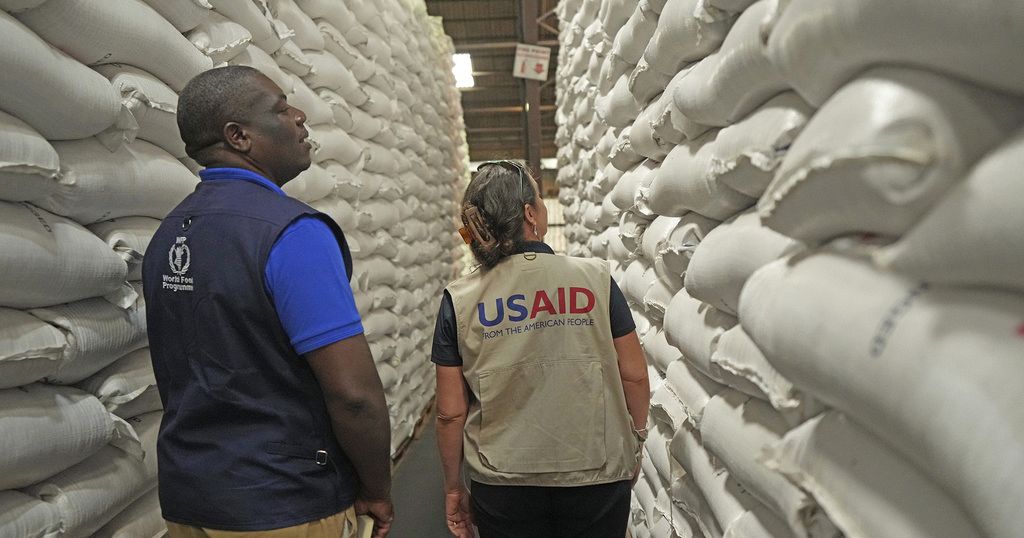
The United Nations World Food Program announced its collaboration with Zimbabwe’s government and humanitarian agencies to provide food to 2.7 million villagers in the country. This initiative comes in response to the El Niño weather phenomenon, which has exacerbated a drought crisis in southern Africa.
The food shortages in Zimbabwe have resulted in nearly 20% of the population being at risk of famine. Poor harvests in drought-affected areas, where small-scale agriculture is the primary source of food, have been the main cause of the shortages. Francesca Erdelmann, the WFP country director for Zimbabwe, noted that El Niño is expected to further aggravate the situation by causing below-average rainfall for yet another year.
El Niño is a naturally occurring weather phenomenon that warms parts of the Pacific, affecting global weather patterns. In the case of Zimbabwe, this has led to significant impacts, particularly in the form of failed or delayed rains. This has marked January to March as the lean season, during which rural households face a lack of food while awaiting the next harvest. Over 60% of Zimbabwe’s 15 million inhabitants live in rural areas, and their lives are increasingly affected by a cycle of drought and floods exacerbated by climate change.
Moreover, the irregularity and shortening of the rainy season, which used to reliably run from October to March, have led to longer and more severe periods of drought. This has resulted in Zimbabwe’s shift from being a food exporter to relying heavily on donor aid to feed its population. The seizure of white-owned farms under former President Robert Mugabe, starting in 2000, further contributed to the decline in agricultural production, although it has since started to recover.
The United States Agency for International Development (USAID) estimated that 20 million people in Africa, including Zimbabwe, southern Malawi, parts of Mozambique, and southern Madagascar, will require food aid due to El Niño. This has prompted USAID to grant $11 million to the WFP to support their efforts in Zimbabwe.
Although the Zimbabwean government claims to have grain reserves that can last until October, it has acknowledged that many people who have failed to harvest enough grain and are unable to afford food are in dire need of assistance. The rising prices of basic food items in the region are further exacerbating the situation.
Additionally, Zimbabwe has already experienced the effects of El Niño, with a wildlife park reporting the deaths of 100 elephants due to the drought. This serves as a stark reminder of the wide-ranging impact of the crisis on both humans and wildlife.
In conclusion, the collaboration between the United Nations World Food Program, Zimbabwe’s government, and humanitarian agencies is essential in addressing the food shortages caused by the El Niño-induced drought crisis. It is crucial to provide timely aid and support to the affected populations in Zimbabwe to mitigate the adverse effects of the crisis.