By Africa Links 24
Published on 2024-01-18 11:01:38
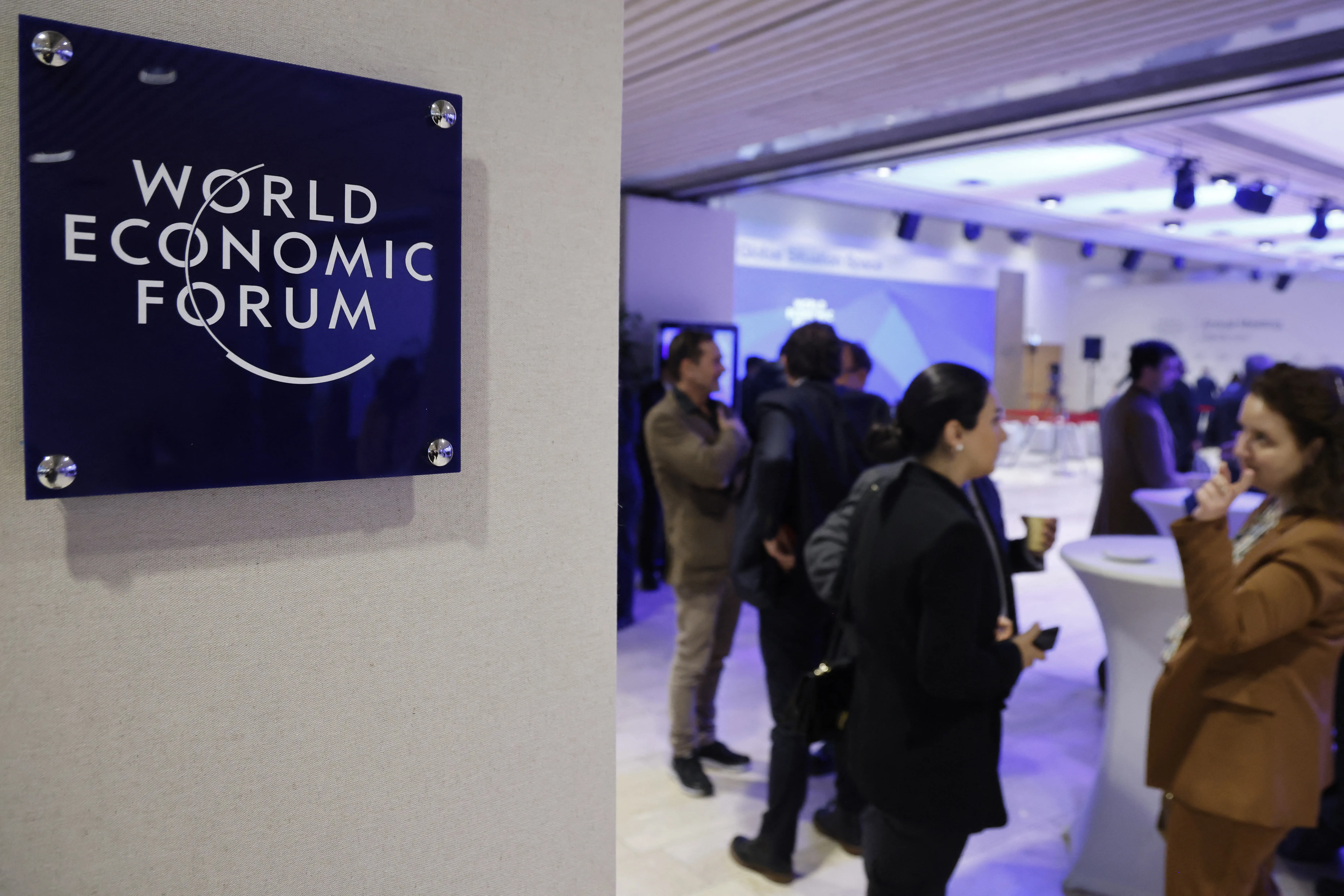
During the World Economic Forum, the Africa Collective, in partnership with the African Continental Free Trade Agreement Secretariat, organized a panel discussion focused on attracting and retaining investments in Africa to fuel growth. This discussion is particularly relevant in light of recent turbulence that has emphasized the continent’s need for self-reliance.
The panel, featuring Leila Fourie, group CEO of the Johannesburg Stock Exchange; Sim Tshabalala, CEO of Standard Bank; Jürgen Rigterink, first vice president and head of client services at the European Bank for Reconstruction and Development (EBRD); and Armstrong Ume Takang, CEO of Nigeria’s Public Investment Enterprise, addressed a range of strategies for enhancing Africa’s investment appeal.
Fourie emphasized Africa’s positive fundamentals, including a young, growing population and a significant share of the world’s GDP. She stressed the continent’s attractiveness for investment, especially with the United States Federal Reserve reducing interest rates and reigniting interest in emerging markets.
However, she made a strong case for regulatory certainty, capacity building, and a more confident presentation of the continent to attract investor funds. Additionally, she highlighted the need for increased collaboration among African countries, scaling up the African Continental Free Trade Area (AfCFTA), and focusing on infrastructure, green initiatives, and small and medium-sized enterprises to drive growth.
Tshabalala echoed the call for liberalized foreign exchange markets, clear monetary and fiscal policies, and eased movement of goods, people, and capital within Africa to attract investors. He commended ongoing reforms in various African countries that are contributing to the continent’s superior growth.
Despite these growth opportunities, investors often perceive Africa as risky, leading to higher risk premiums. Fourie challenged the rationale for these risk premiums, citing evidence of successful portfolio management on the continent. She also compared Africa favorably with other emerging markets, highlighting the challenges faced by countries such as Argentina and Russia.
Rigterink pointed out that the internal rate of return of 14% in Africa was not enough to impress investors due to perceived risks associated with the continent. He linked these perceptions to political instability, corruption, and bureaucracy. He emphasized the EBRD’s work to address these challenges and de-risk investment in Africa.
Both Tshabalala and Rigterink emphasized the need for blended finance involving commercial banks, development finance institutions, and philanthropic capital to mitigate perceived investment risks. They also highlighted the important role of governments in driving investment, particularly in structuring public investments to attract more capital from the private sector.
In addition, Fourie noted the challenge of international investors missing out on companies not included in trackable indices. To address this, the JSE has launched new markets for carbon and private placements, aiming to properly price Africa’s abundant green resources and provide standardized terms and conditions for raising capital.
Takang emphasized the role of his agency in managing federal government investment interests and leveraging these assets to attract more capital from the private sector. This focused effort on proper governance and structuring investments to become investment-grade is crucial for driving more capital into the African market.
In conclusion, the panel’s discussions underscored the immense potential for growth and investment in Africa, while also acknowledging the need to address perceptions of risk, increase collaboration, and drive regulatory and governance reforms to attract and retain vital investments in the region.