Rédaction Africa Links 24 with Guardian Nigeria
Published on 2024-03-15 04:24:38
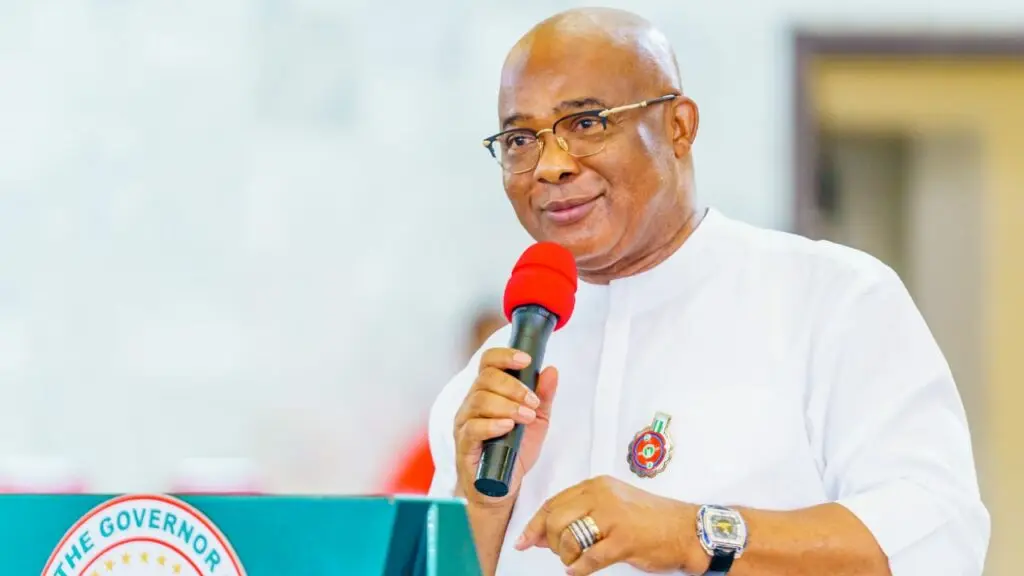
Stakeholders of the All Progressives Congress (APC) in the Southeast are navigating a complex landscape under the leadership of Imo State governor, Hope Uzodimma. Uzodimma, who took office in 2020, has made significant strides in the region, becoming the first governor on the APC platform to secure a second term in the Southeast. He has also assumed leadership roles within the party, garnering influence and control in the region.
As the chairman of the Southeast governors’ forum and the Progressives Governors Forum (PGF) of Nigeria, Uzodimma has wielded his power in shaping the direction of the APC in the region. However, his leadership has been met with both praise and criticism from various stakeholders. One of the contentious issues was his involvement in the selection of the President General of Ohanaeze Ndigbo, which led to a split within the organization.
Uzodimma’s influence was also evident in the party’s internal affairs, particularly during the controversial governorship primary in Imo State and the state congresses in Enugu. These events resulted in significant discontent among party members and negatively impacted the APC’s performance in the 2023 general elections.
Critics have pointed out Uzodimma’s alleged favoritism towards newer party members over the established ones, leading to internal strife within the party. The governor’s handling of key appointments in the region has further exacerbated tensions among party members.
Calls for Uzodimma’s removal as the chairman of the PGF have been growing, with some stakeholders citing his conduct in botched primaries and his alleged detrimental impact on the party’s performance in the Southeast. While some party leaders have come to his defense, others have expressed concerns over his leadership style and its impact on the party’s prospects in the region.
Despite the criticism, Uzodimma supporters argue that his efforts are aimed at rebuilding the party’s strength in the Southeast and improving its electoral success. They believe that the governor’s leadership is essential for the APC to regain its footing in the region.
The discord within the APC in the Southeast reflects larger challenges facing the party as it seeks to consolidate its presence in the region. The ongoing power struggles and internal divisions underscore the complexities of navigating the political landscape in a region traditionally dominated by other parties.
In conclusion, the leadership of Hope Uzodimma in the APC Southeast has been a double-edged sword, with successes and setbacks characterizing his tenure. The unresolved tensions and power struggles within the party highlight the need for meaningful dialogue and reconciliation to ensure the APC’s long-term viability in the region. Only through effective leadership, inclusivity, and a commitment to party unity can the APC hope to overcome its challenges and secure its position in the Southeast.
Read Original article on The Guardian