Rédaction Africa Links 24 with Uganda Monitor
Published on 2024-04-10 18:03:04
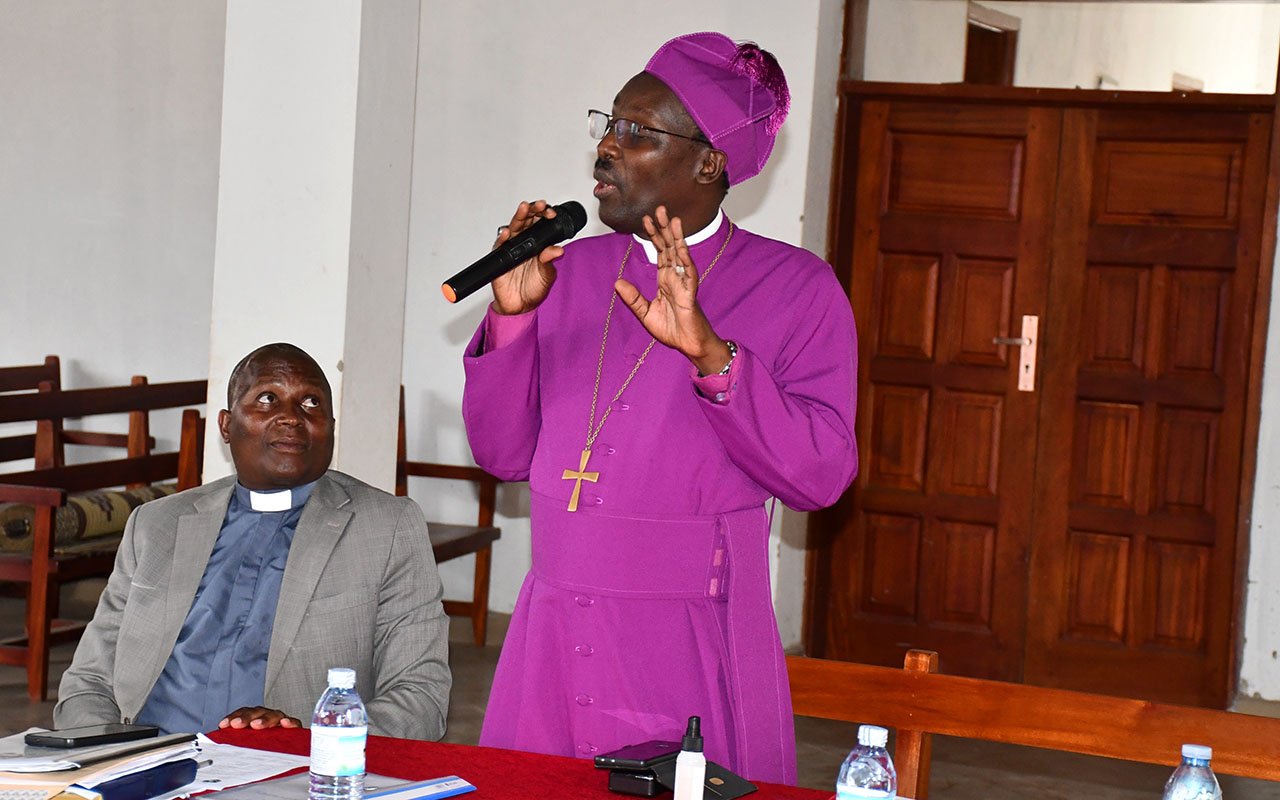
The Bishop of Ankole diocese, Rt Rev Fred Sheldon Mwesigwa, recently emphasized the importance of using church land to start income-generating projects in church-founded schools within the diocese. During a meeting with education stakeholders, including principals of tertiary institutions, head teachers, PTA members, BOG members, and bursars, Bishop Mwesigwa highlighted the need for schools to rely less on parents, many of whom face socio-economic challenges, for funding.
He pointed out that many church-founded schools own land that can be utilized for projects to generate income to support the delivery of educational services, rather than solely depending on school fees. Some schools have already implemented projects like banana plantations, maize and vegetable growing, which have led to lower fees and increased enrollment. Bishop Mwesigwa stressed that such initiatives help bridge the gap between the rich and poor in accessing education.
However, he expressed concern about schools mortgaging church land to acquire loans instead of utilizing it for production. He warned school administrators against jeopardizing the land and reminded them of the consequences of disregarding their responsibility as custodians of the church land.
The Diocesan Education Secretary, Rev Canon Agasha Muhwezi, echoed the importance of starting income-generating projects on church land, such as tree planting, dairy farming, poultry, piggery, and banana plantations. These projects can help schools sustain themselves financially, especially during challenging times like the COVID-19 pandemic. He highlighted success stories of schools like Katanoga Secondary School, Kinoni Girls Secondary School, Kashaka Girls High School, and Kigaragara High School, which have excelled by minimizing the cost of education through such interventions.
Moreover, Ms Grace Ndagire Tweheyo, the headmistress of Kinoni Secondary School, shared how she managed to clear a substantial loan inherited by the school by implementing projects on church land, such as banana and vegetable farming. This innovative approach has enabled the school to become financially stable and thrive academically.
Retired educationist Mr. Taremwa Akankwatsa praised the Bishop’s initiative, emphasizing its timeliness in addressing the rising cost of education in Uganda. He highlighted the importance of such interventions in enabling more Ugandans, especially those from disadvantaged backgrounds, to access quality education.
In conclusion, the emphasis on utilizing church land for income-generating projects in schools is a step towards making education more sustainable and accessible to all. By reducing reliance on school fees and fostering self-sufficiency through agriculture and other projects, schools can navigate financial challenges and provide a better learning environment for students.
Read the original article on Uganda Monitor