By Rédaction Africa Links 24 with voanews.com
Published on 2024-01-17 15:18:20
UNICEF has expressed serious concern about a cholera outbreak in Africa, which has affected at least 10 countries and is particularly severe in Zambia and Zimbabwe. Dr. Paul Ngwakum, the regional health adviser for UNICEF in East and Southern Africa, revealed that the outbreak has resulted in approximately 200,000 reported cases and over 3,000 deaths. High-fatality rates have been recorded, with 4% of the more than 9,000 cases ending in death, a significant increase compared to the acceptable threshold of below 1%.
Ngwakum attributed the outbreak to poor water sanitation and hygiene conditions, exacerbated by changing weather patterns, climate change, and inadequate community sensitization. He emphasized that children are the most affected, with over 52% of cases in Zambia involving children under 15 years old. Additionally, Zambia and Zimbabwe have seen a rapid rise in the number of cases following the Christmas and New Year holidays, with 1,000 cholera cases reported each week in both countries.
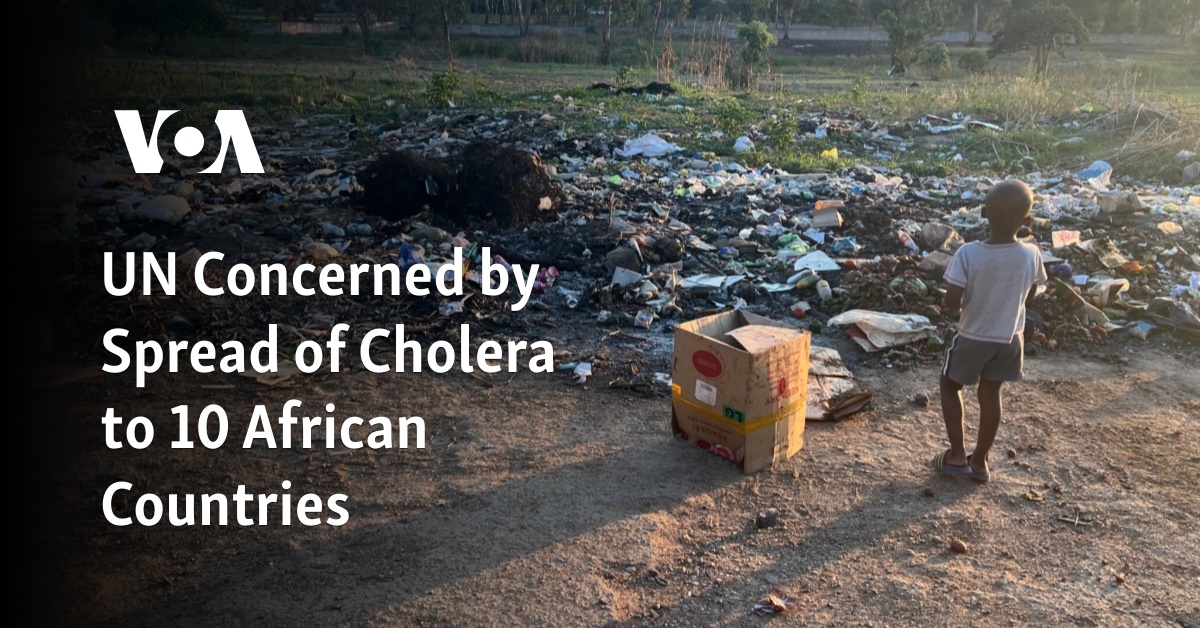
In Zimbabwe, the shortage of purified water has forced residents to rely on open sources, while uncollected refuse and running sewage are contributing to the spread of the waterborne disease. The country’s health minister, Douglas Mombeshora, stated that the government is taking measures to contain the outbreak, including mobilizing resources to clean up the capital, Harare, and procuring water-treating chemicals. However, Itai Rusike, executive director of the Community Working Group on Health in Zimbabwe, urged the government to declare a national disaster to facilitate swift assistance from international aid agencies.
UNICEF has warned that if the outbreaks are not controlled, it could lead to the closure of schools, as has already occurred in Zambia. The organization has called for urgent action to provide safe water, sanitation, and hygiene, as well as to disseminate information about cholera guidelines and protocols. Without decisive government intervention and international assistance, the cholera outbreaks in Africa are likely to worsen, posing a significant threat to public health.
Read the original article on VOA