Rédaction Africa Links 24 with SudanTribune
Published on 2024-03-10 23:02:08
On March 10, 2024, the National Umma Party (NUP) in Sudan presented a proposal for reforms within the country’s anti-war coalition, Tagadum. The NUP believes that the coalition currently lacks impartiality and appears to favor one side of the ongoing conflict. In their proposal submitted to coalition leader Abdallah Hamdok, the NUP emphasized the importance of strict neutrality between the warring parties for the coalition to effectively serve as a mediator.
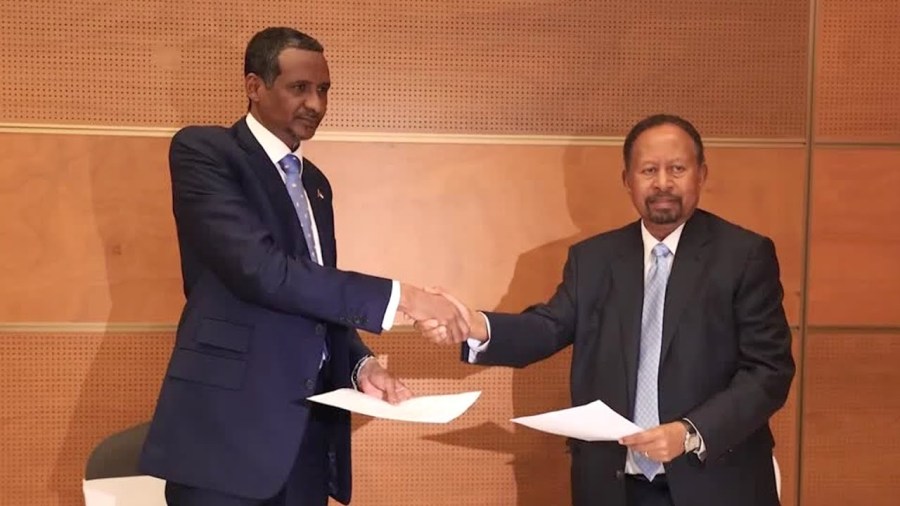
The NUP criticized the coalition’s decision to sign the Addis Ababa Declaration with the Rapid Support Forces (RSF) in January, viewing it as a deviation from neutrality and a violation of the coalition’s established roadmap. According to the roadmap previously agreed upon by Tagadum groups, discussions with both warring sides were limited to ceasefire negotiations. However, the NUP and other critics argued that by endorsing the RSF’s claim that Islamists initiated the conflict, the coalition compromised its neutrality as a mediator.
Furthermore, the declaration was criticized for addressing political matters related to the post-war state, which critics argued should be within the realm of civilian politics and not military powers. The NUP gave the coalition a two-week deadline to respond to their proposed reforms, which include convening a roundtable conference involving all of Sudan’s military and political entities.
The NUP’s proposal emphasized inclusivity in the political process, advocating for the representation of various political parties and forces, including the dissolved National Congress Party (NCP). They also voiced concerns over the balance of power within the coalition, particularly the dominance of civil society groups, professionals, unions, and resistance committees over political parties and armed movements.
One area of contention was the categorization of “parties and movements” within the Tagadum structure, with the NUP highlighting the distinction between political parties with a popular base and movements that resort to armed struggle. The NUP also called for increasing women’s representation within the coalition, as well as advocating for an international investigation into foreign involvement in the conflict.
The founding conference of the anti-war coalition was initially scheduled for December but has been postponed multiple times as efforts continue to reach an agreement with the SPLM-N led by Abdelaziz Al-Hilu and include other parties and armed groups. The NUP’s proposed reforms aim to address concerns of bias, lack of neutrality, and inadequate representation within the coalition to ensure its effectiveness as a mediator in Sudan’s ongoing conflict.
Read the original article on Sudan Tribune