Rédaction Africa Links 24 with Uganda Monitor
Published on 2024-04-06 11:37:43
Health Minister Dr Jane Ruth Aceng emphasized the significance of an assortment of Chinese anti-malarial drugs valued at over Shs4 billion in the ongoing battle against malaria in Uganda. She highlighted the country’s high risk of malaria due to climatic conditions and alarming statistics, with Uganda being the 3rd highest contributor of malaria cases globally and the 7th highest contributor of malaria-related deaths. Children under five years, pregnant women, people with weakened immune systems, rural populations, and adolescents aged five to 15 years are among the most vulnerable populations.
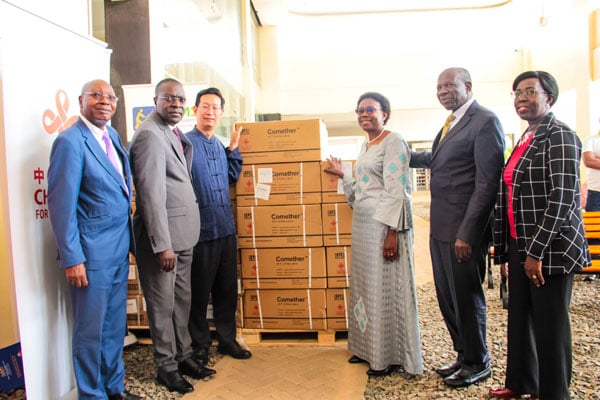
Dr. Aceng received the donated anti-malarial medication from the Chinese Ambassador to Uganda, Mr. Zhang Lizhong, at the National Medical Stores (NMS) in Kajjansi. She noted the surge in malaria cases between 2021 and 2023, with over 75 districts reporting epidemic levels of malaria at one point. This led to a heightened demand for anti-malarial drugs, prompting the government to request assistance from China.
Mr. Zhang Lizhong disclosed that China swiftly responded to Uganda’s urgent appeal for aid by delivering around 500,000 packs and doses of anti-malaria medication worth USD 1.1 million. He emphasized the importance of cooperation in the health sector between China and Uganda, especially in light of the COVID-19 pandemic. He also pledged China’s support in establishing a data-sharing platform among hospitals for digitalizing health information.
Furthermore, Mr. Zhang proposed joint efforts in the research and production of herbal medicines to combat viruses, leveraging both countries’ experience in herbal medicine. The NMS board chairperson, Mr. Jotham Musinguzi, advocated for the cultivation of the Artemisinin plant, a key component in anti-malarial drugs, to enhance Uganda’s ability to combat malaria effectively.
Finance Minister Matia Kasaija stressed the importance of addressing drug theft in government hospitals to ensure the uninterrupted supply of essential medications to the population. By apprehending and prosecuting culprits involved in drug theft, the government aims to safeguard the distribution and availability of medicines to all Ugandans.
In conclusion, the collaboration between China and Uganda in the fight against malaria showcases the importance of international partnerships in addressing public health challenges. The donation of anti-malarial drugs from China will significantly benefit Uganda’s efforts to reduce the burden of malaria and improve healthcare outcomes for its citizens. Efforts to enhance local production of essential medicines and combat drug theft underscore the government’s commitment to ensuring the availability and accessibility of healthcare services to all Ugandans.
Read the original article on Uganda Monitor


