Rédaction Africa Links 24 with umajulius
Published on 2024-04-19 09:20:16
Gender-based violence prevention (GBV) in Sudan has become a critical issue that needs to be addressed urgently. The aid agency, Inter Action, has emphasized the importance of prioritizing GBV prevention and response as life-saving services in funding and decision-making. The current situation in Sudan has led to an unprecedented protection crisis, with widespread internal displacement, ongoing conflict, and severe violations of international humanitarian law.
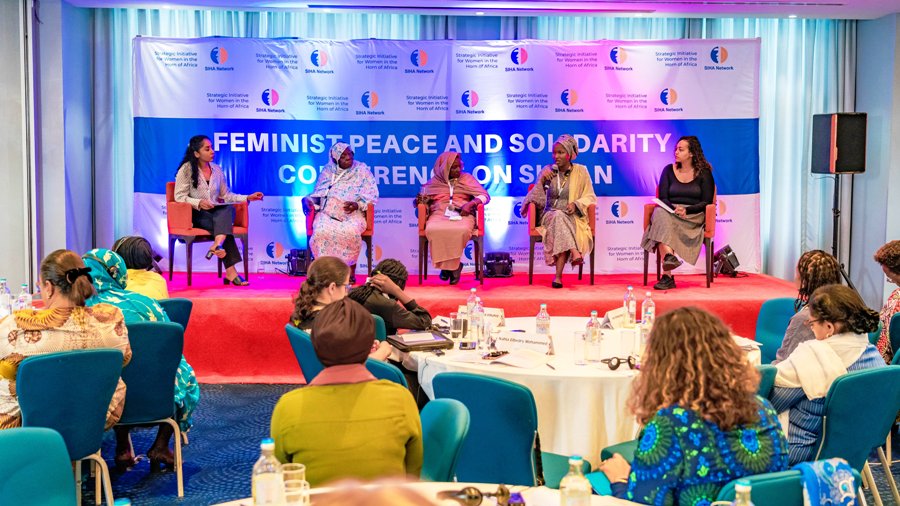
Women and girls in Sudan have been experiencing significant violence, including conflict-related sexual violence, early marriage, and domestic violence. Despite the challenges they face, women-led organizations have been at the forefront of providing support and assistance to those in need, even with limited resources and access restrictions.
The aid agency is calling on the U.S. government to increase funding for standalone GBV programming and integrate it across other sectors in Sudan. They stress the importance of enabling women-led organizations (WLOs) and women’s rights organizations (WROs) to access quality and flexible funding quickly, especially through pooled funding mechanisms.
GBV levels in Sudan and neighboring countries hosting refugees have reached alarming levels. Conflict-related sexual violence has increased dramatically, with reports of women and girls being kidnapped, forced into prostitution or marriage with fighters, and subjected to rape and other forms of sexual violence.
Many GBV cases go unreported due to stigma, distrust of the justice system, and fear of reprisals. The aid agency highlights the rising cases of domestic violence, intimate partner violence, and trafficking due to diminishing resources, displacement, and increased tensions within and outside households.
While most GBV cases involve female survivors, there have been reports of GBV cases involving boys under the age of 10. Women-led organizations play a crucial role in responding to GBV and providing support to survivors, but they continue to face challenges, especially with funding constraints.
The lack of long-term funding streams has made the future uncertain for WLOs, leading to downsizing of operations. Protection funding for the 2024 Humanitarian Response Plan has been significantly low, hindering efforts to prevent and respond to GBV effectively.
The aid agency is urging the U.S. government to use its diplomatic leverage to advocate for uninterrupted access to hard-to-reach areas in Sudan and neighboring countries. Cross-border response and support for women-led organizations are crucial in addressing the GBV crisis and providing much-needed assistance to survivors.
In conclusion, addressing gender-based violence in Sudan requires a comprehensive and coordinated effort, with a focus on funding, access, and support for women-led organizations. The U.S. government must prioritize GBV prevention and response to save lives and protect the most vulnerable members of society.
Read the original article on Sudan Tribune