Rédaction Africa Links 24 with Mohamed Hedi ABDELLAOUI
Published on 2024-03-13 10:48:55
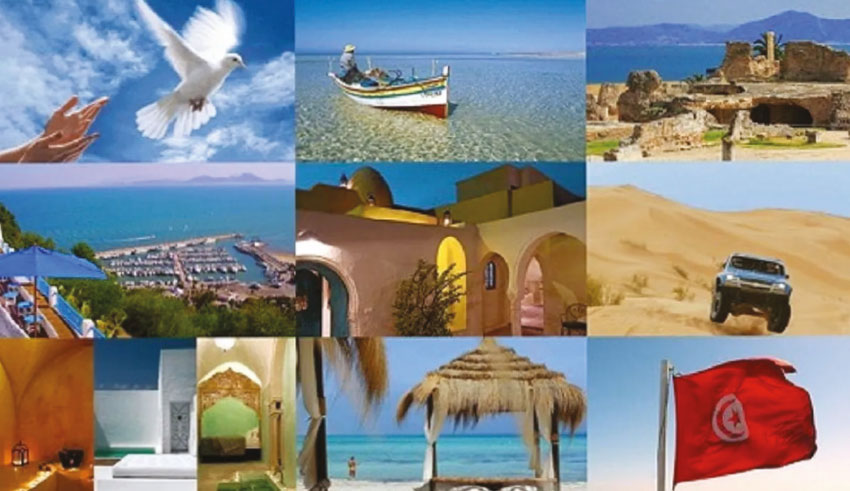
In Tunisia, tourism rebounded significantly in 2023 with 8.8 million visitors, an increase of 49.3% compared to 2022, according to the Ministry of Tourism. But what concrete measures have been taken to remedy the deficiencies that are hindering the real takeoff of this vital sector?
The policies implemented to support the tourism sector in response to the Covid-19 crisis vary considerably from one country to another, but can generally be classified into several key themes.
The alignment of these measures provides a framework for understanding the vulnerabilities of the tourism ecosystem and the areas that need to be strengthened in the future, according to economist Slim Abdrabbou.
Diversifying destinations to better withstand shocks
The economic impact of a shock depends on several general but interdependent factors, argues the analyst. Beyond the nature of the shock itself, it can be the nature of the tourist offer, the impact of travel restrictions on visitor flows, the extent to which the event coincides with peak tourism periods, the extent of damage to physical tourism infrastructure, the scale and complexity of business operations, the return of key source markets, the size of the domestic tourism market and exposure to international markets. “Regions lacking economic diversity and heavily dependent on tourism to support local jobs and businesses are more vulnerable,” he explains. The impact of shocks on employment and economic activities can be asymmetric and highly localized between countries and within them, as is the case in Tunisia, notes the academic. “Countries where tourism contributes significantly to GDP (such as France, Spain, and to a lesser extent Tunisia) have been more exposed to the negative effects of the Covid-19 pandemic. The prolonged halt of tourism activity has had repercussions on the entire economy and has required public spending to support the sector.
This is also reflected at the destination level, as places where economic diversity is inadequate and where there is a heavy reliance on tourism to support local jobs and businesses are more vulnerable,” he explains.
Opting for regional tourism support programs
In many destinations, increased economic dependence on tourism, lack of diversity of visitors and product offerings, and lack of integration of tourism into broader economic development have increased the risk profile for tourism and the economy as a whole, according to our interlocutor. This is true, he explains, for countries, but it is even more evident at the level of regional and local destinations, as the steady growth in tourism in the past has created growth-oriented expectations and a focus on targeting high-growth international markets. In countries where tourism represents a significant share of economic activity, the decline in tourism has had a devastating effect on the entire local economy. Referring to two experiences from different parts of the globe, the economist notes that countries like Australia and Mexico have implemented regional tourism support programs during the pandemic. Dependence on tourism has also created strong pressure and the introduction of measures to support the safe reopening of the sector as soon as health conditions allow and to help the sector target new markets. In addition to their strong economic dependence, these destinations often present other vulnerabilities that often overlap but also present analogies with the Tunisian experience: Seasonality, with a concentration of visitors during peak periods, as is often the case in coastal areas. Added to this is market dependence, with a great reliance on specific visitors, whether from a national market or a specific type of visitor, such as business travelers. Finally, there is dependence on a product, based on a single iconic attraction or product offer, such as winter sports.
Remedy, a watchword
In Tunisia, as the tourism economy recovers, efforts should be made to address these overlapping vulnerabilities so that the Tunisian destination is stronger and better prepared to adapt to the future. Given that decision-making skills vary between national, regional, and local levels, and tourism is essentially made up of small businesses whose capacities are limited beyond managing daily operations, destination management organizations can play a role in this regard. It is clear, however, that safety and security remain a major concern for tourists worldwide, with perception often being as important as reality. These issues can impact the destination’s image, visitor arrivals, and tourism growth, and are also an important element in building a stronger and more sustainable tourism economy. Tourists who believe they can easily and safely travel to, from, and around the destination are more likely to explore secondary attractions.
Read the original article(French) on La Presse Tunisie