By Africa Links 24
Published on 2024-02-14 12:00:00
Africa’s fiscal situation is under immense pressure due to high levels of external debt and the rising cost of capital. This is severely impacting the ability to provide essential public services such as education, healthcare, housing, and infrastructure to millions of people. Approximately 30 African economies are grappling with heavy indebtedness while also facing the challenges of the climate crisis, including droughts, floods, and cyclones.
The burden of external debt is exacerbating economic weaknesses such as deficits in food and energy security, low value-added industrialization, and unfair global finance, trade, and investment rules. A striking example of this is Africa’s food import bill, which is projected to reach $110 billion in the next two years, a threefold increase over the past decade. This is in contrast to Africa’s historical role as a significant food producer for former colonial powers.
These structural issues are causing widening trade deficits and weakening African currencies, leading to higher costs for imported food, fuel, and medicine. As a result, African governments have few options other than to seek additional loans from institutions like the IMF, which come with conditionalities and policy advice that perpetuate poverty.
Furthermore, Africa’s lack of influence in global economic decision-making, coupled with low levels of energy access and industrialization, results in lost jobs, foregone wealth, and substantial import bills. The current global financial institutions and frameworks, created after the Second World War, still predominantly serve the global (colonial) economy of that time. A change is imperative to create a more equitable and responsive system that meets the growing Sustainable Development Goals (SDGs) and climate-related financing needs of developing countries in a rapidly changing climate.
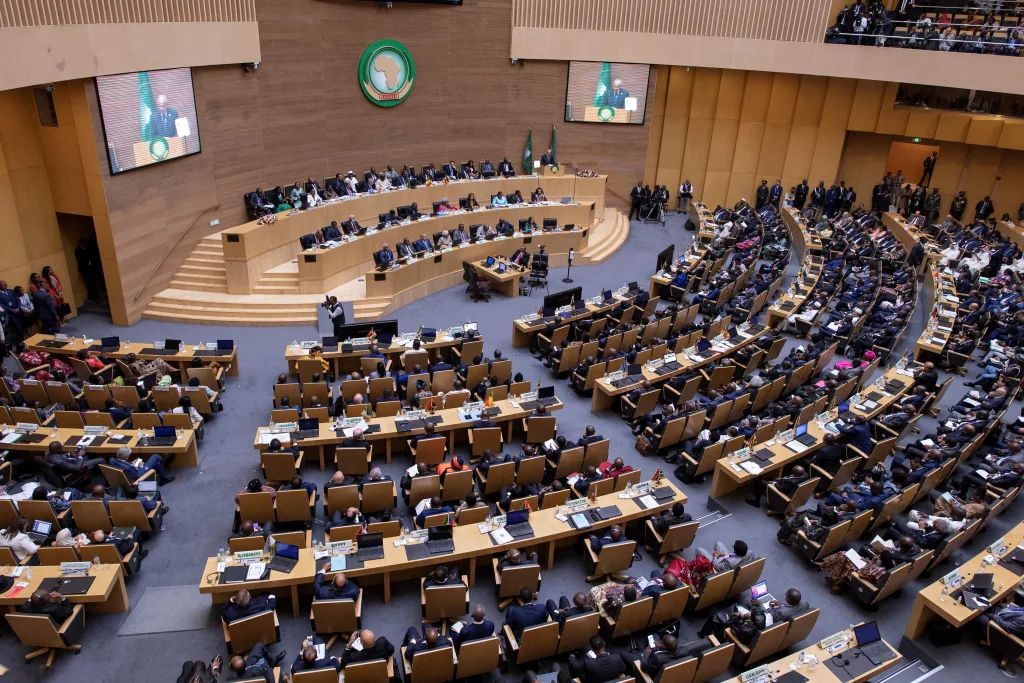
The upcoming African Union summit in Addis Ababa will provide a crucial platform for addressing these challenges. The theme of the summit, “Educating an African fit for the 21st century,” reflects the recognition of human capital as a critical asset for economic development. Additionally, there is a need for a new pan-African industrial policy that avoids reproducing the traps of post-colonial industrialization and energy.
African leaders also have the opportunity to leverage the continent’s increased representation in global economic forums to advocate for a more democratic and inclusive global economic order. This includes prioritizing Africa’s interests in sustainable development, climate action, and finance within multilateral spaces such as the Group of 77+China and the Non-Aligned Movement.
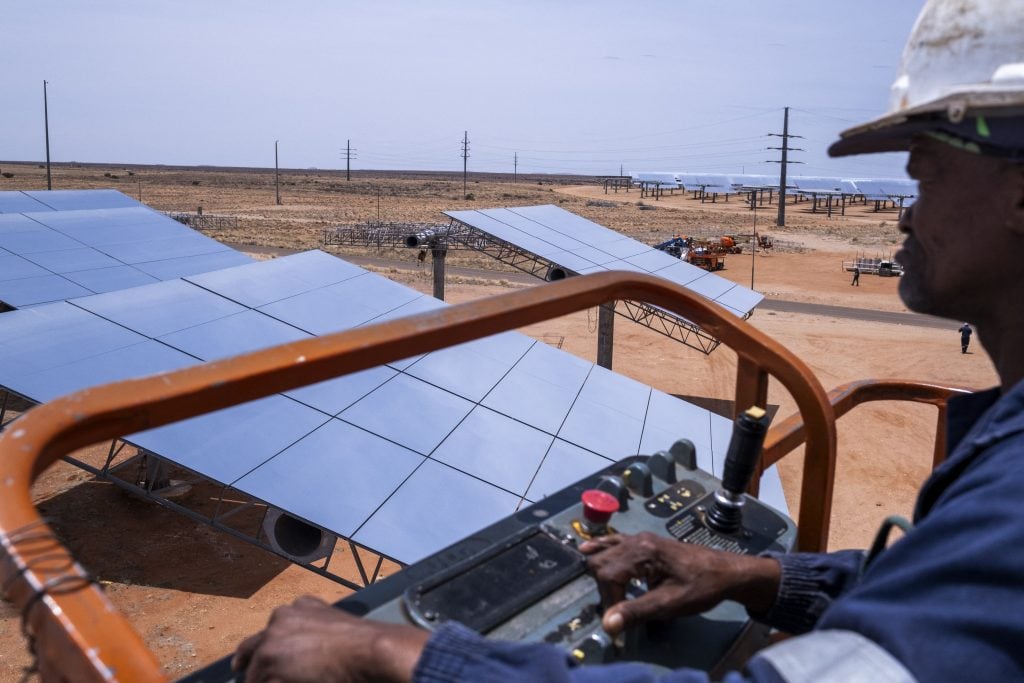
It is essential for Africa to prioritize food sovereignty through agroecological food systems, as well as embrace renewable energy to drive green industrialization and sustainable prosperity. The continent’s strategic minerals are crucial for powering the global energy transition and creating jobs for its youth.
The AU summit should serve as a catalyst for African leaders to develop a clear plan and priorities for engaging with global forums such as the G20 and G77+China. By leveraging its positions in these multilateral bodies, Africa has the potential to reshape its engagement within the global economic order and improve the well-being of its people and the planet.