Rédaction Africa Links 24 with Stephen Tollman, Director: MRC/Wits Rural Public Health and Health Transitions Research Unit (Agincourt), University of the Witwatersrand
Published on 2024-02-05 14:20:21
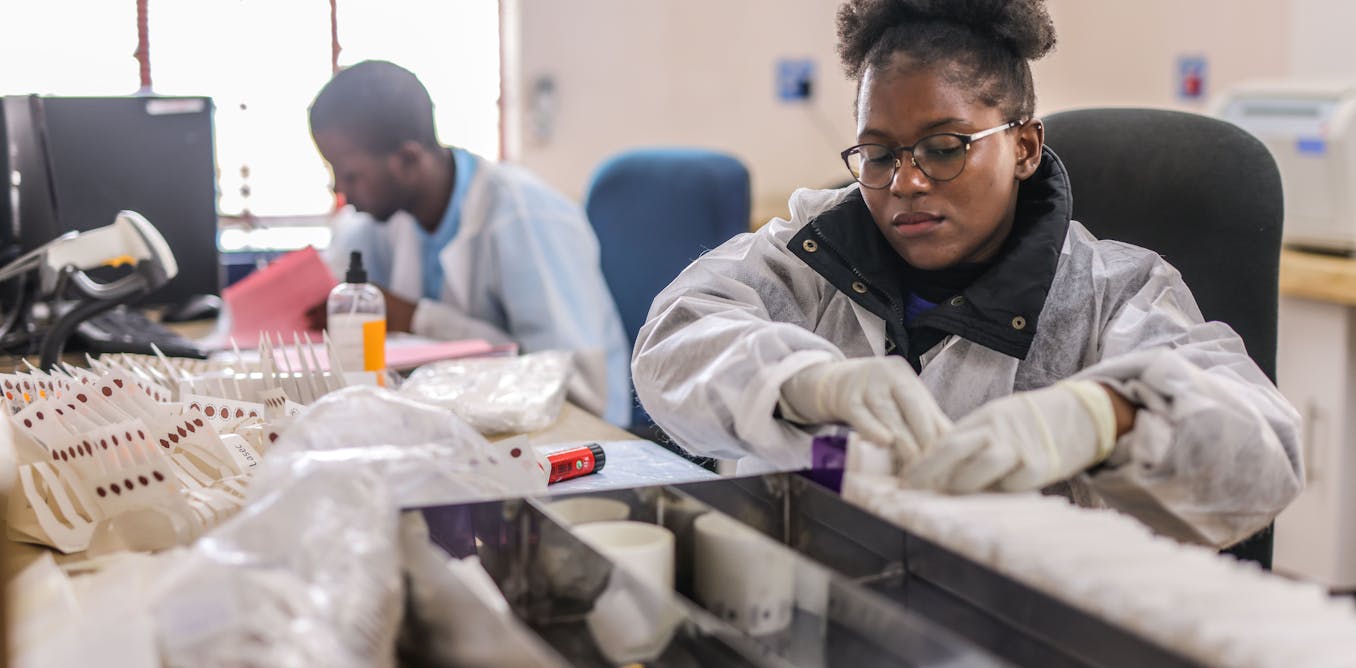
In 1992, a team of academics from the University of the Witwatersrand established a health and socio-demographic surveillance system in remote, rural South Africa to monitor and comprehend health and wellbeing in these areas. This initiative was an expansion of the Wits team’s previous work in establishing a health systems development unit in a typical rural setting. The Agincourt research centre, located in the Bushbuckridge district in rural north-eastern South Africa, adjacent to Mozambique, encompasses 31 villages and a population of 120,000 people. It is one of the most long-standing research centers of its kind in sub-Saharan Africa, drawing scholars and researchers from around the world and leading to groundbreaking research in various fields, such as genomics, HIV/Aids, cardiovascular conditions, cognition, and aging.
The focus of this Wits and Medical Research Council Unit is on health and aging, an area that has long been neglected, particularly during apartheid when healthcare provision favored a minority population. The need to understand rural South Africa and the people living away from mainstream amenities drove the establishment of a longitudinal research and development platform, which has proven instrumental in understanding evolving population dynamics.
Data collected over the years has allowed for groundbreaking work and research that was not possible in the early years. A project focusing on aging was launched in 2013, aimed at understanding the health features characterizing rural people aged 40 years and above. The reversal in mortality, particularly during the height of the HIV/Aids epidemic, has underscored the need to study and understand aging in these communities. Furthermore, the increase in life expectancy, largely due to the widespread uptake of antiretroviral therapies for HIV/Aids, has highlighted the changing socio-economic profile of the area and the increased risk of developing multiple chronic conditions associated with growing older.
The establishment of the Wits Agincourt Data Sciences and Innovation Hub at the Wits Rural Campus in 2022 reflects the ongoing commitment to research and understanding the shifting dynamics in these rural communities. The rapid pace of social change, alongside significant poverty alleviation efforts and improvements in living conditions, has transformed the landscape of the area.
Despite these changes, the core question remains: How can flourishing societies be built in a context where jobs are scarce, migrant labor is prevalent, and aspirations for a meaningful life persist? This ongoing inquiry guides the researchers in their efforts to understand and address the intricate challenges and opportunities present in these rural South African communities.


