

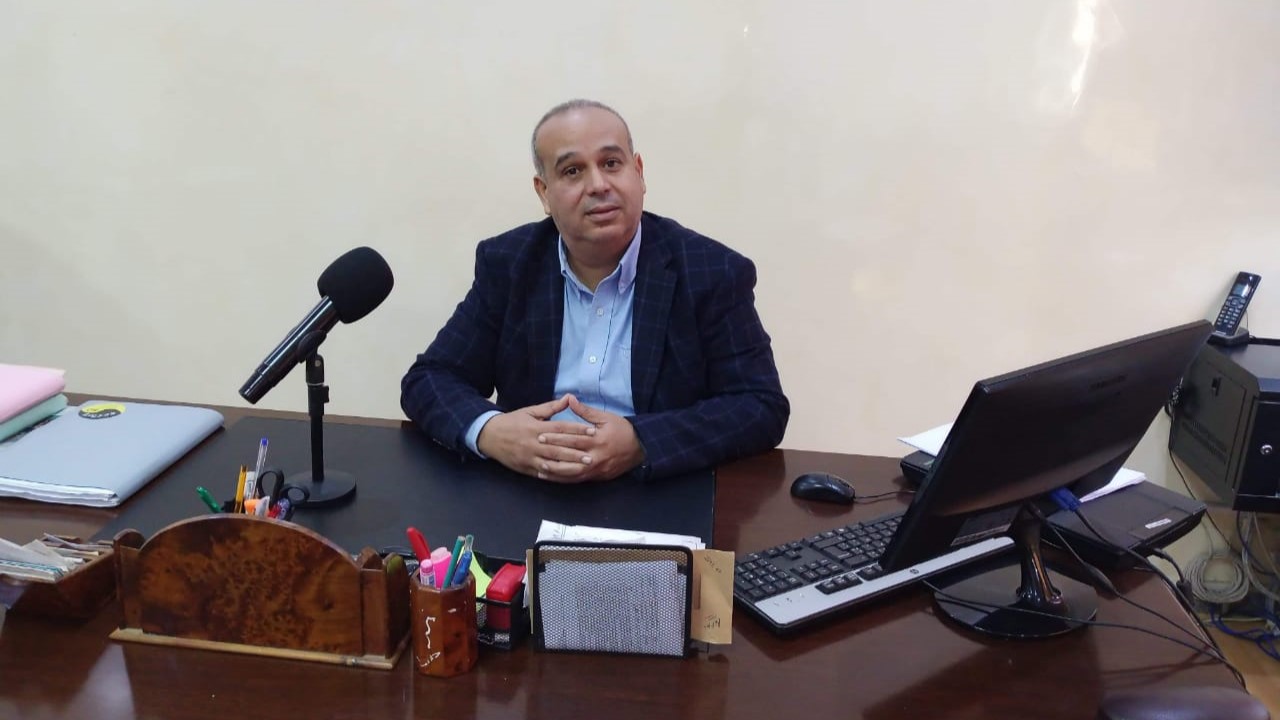
Rédaction Africa Links 24 with Safaa KSAANI
Published on 2024-04-09 11:07:00
How many autistic people are there in Morocco? Do you have an idea of how many people are currently being taken care of in the country?
The celebration of World Autism Awareness Day, which became official in 2007, is a crucial opportunity to remind people of the rights of autistic individuals and to assess the achievements and expectations of families. In Morocco, in the absence of official statistics on the disorder, and based on the global percentage, it is estimated that there are between 350,000 and 400,000 autistic individuals.
Currently, there are approximately 62 individuals per 10,000, meaning there is one autistic individual for every 162 people in Morocco. Regarding care, the number varies by region. In major cities like Casablanca or Rabat, there are generally more options for care, but in more remote regions, access to services can be limited, posing challenges for many families with autistic children.
Furthermore, two institutional actors, the INDH (National Initiative for Human Development) and the National Solidarity, are making significant efforts to care for autistic individuals in Morocco. Although exact statistics are not available, it is important to note that these two actors have helped reduce the cost of care, especially for families in precarious situations.
Given the size of the field of caring for autistic children, what do you think is the top priority at this stage?
The priority at this stage in caring for autistic children in Morocco lies in the crucial question of financial access to teaching assistants (AVS). Families face a major challenge due to the high cost of these assistants, which can absorb up to 60% of the budget dedicated to care.
While the state plays a crucial role by subsidizing AVS and some paramedical therapies for families in precarious situations through the Social Cohesion Fund, other families from various socio-professional categories find themselves facing these additional costs that are not reimbursed by social security.
For example, a civil servant in scale 11 may see their financial situation destabilized due to the costs associated with activities not covered. Thus, the main obstacle faced by families is the financial burden of AVS, requiring a reform of the social security system to better meet the exceptional needs of autistic individuals and their families.
Are there enough qualified personnel to accompany autistic individuals?
The issue of autism in Morocco is closely linked to the commitment of associations, which have been established to explore solutions and avenues for reflection. The core of associations was formed between 2004 and 2005, including organizations such as the Mirror Association for autistic children.
The first generation of qualified individuals to accompany autistics was mainly composed of mothers, trained in new autism practices after years of activism on the issue. Subsequently, the Ministry of Solidarity adopted a training project for this personnel, and we saw the formation of 180 professionals divided into three groups, each comprising 20 people, for a total of 1800 trained professionals.
Furthermore, there have been specialized programs opened at universities, such as those training neuropsychologists and AVS (School Life Assistants) at the OFPPT. Despite these commendable efforts, the number of qualified personnel remains modest, or even nonexistent, especially in small towns and rural communities. This underscores the importance of continuing training and awareness efforts throughout the country to meet the needs of autistic individuals.
What progress has been made in this field?
The progress made in the field of autism in Morocco is remarkable, even marking an advancement compared to some developed countries. This evolution can be attributed to several factors. Firstly, the maturity of the Moroccan civil society actively involved in this cause.
Furthermore, Morocco’s ratification of the Convention on the Rights of Persons with Disabilities and its Optional Protocol since 2009 has encouraged institutional actors to implement public policies focusing on disabilities. For example, the Rafiq program initiated by the Ministry of Solidarity has enabled the training of 180 graduates specialized in autism.
Additionally, civil society, by using the latest technological advances, benefits from distance training both in Morocco and abroad, contributing to the improvement of practices in the field. Furthermore, there has been an increase in public awareness through campaigns and educational initiatives, as well as an improvement in access to mental health services and early diagnoses.
Finally, the progressive integration of autistic individuals into various aspects of society demonstrates a growing recognition of their rights and value as full-fledged members of Moroccan society.
What are the challenges that persist and require particular attention from the state and society?
The persistent challenges in the care of autism in Morocco require sustained attention from the state and society. Despite increasing awareness in society on this issue and the active involvement of families in the care process, several obstacles remain.
Firstly, there is the issue of young autistics who have not received adequate care, which can lead to difficulties in adaptation and integration into society. Additionally, autistics living in rural areas of the country require special attention as they may have limited access to specialized health and education services.
Finally, a major challenge lies in the presence of sellers of illusions who offer miracle solutions to families, thereby hindering effective and appropriate care for autistic individuals. These challenges underscore the importance of continued collaboration between the state, civil society, and families to ensure a better quality of life and equitable opportunities for autistic individuals in Morocco.
What message can be sent to parents who have just learned that their child is autistic?
The message we want to convey to parents who have just learned that their child is autistic is one of hope and support. We understand that this news may be difficult to accept, but it is essential to know that you are not alone on this journey.
With the increasing number of autistics, new families are constantly joining the community of guardians of autistics. Despite the efforts of associations and government subsidies, the role of the family remains essential. Your involvement in the care process of your child is crucial.
Your attentive follow-up and unconditional love are key elements for the development and well-being of your child. Remember that your continued support will contribute to their growth and integration into society. Although the road may be challenging, you are not alone, and together, we can overcome the challenges and create a better future for your autistic child.
Read the original article(French) on L’Opinion

