By Africa Links 24
Published on 2024-02-19 10:07:18
Namibia is gearing up for elections following the death of President Hage Geingob on February 4. The country is attracting the interest of energy investors who are eyeing a series of major oil and gas projects as well as green hydrogen schemes.
After Geingob’s peaceful transition of power to former vice president Nangolo Mbumba, international praise was showered on Namibia. However, Mbumba, who is 82 years old, is serving as a caretaker and will not be contesting the election in November, leaving newly appointed vice president Netumbo Nandi-Ndaitwah as the favorite successor.
The favorable stance towards business and the stability maintained by Geingob’s presidency played a significant role in attracting major energy players to Namibia. However, uncertainty looms about Nandi-Ndaitwah’s approach to investment in sectors such as green hydrogen and oil and gas if she is elected.
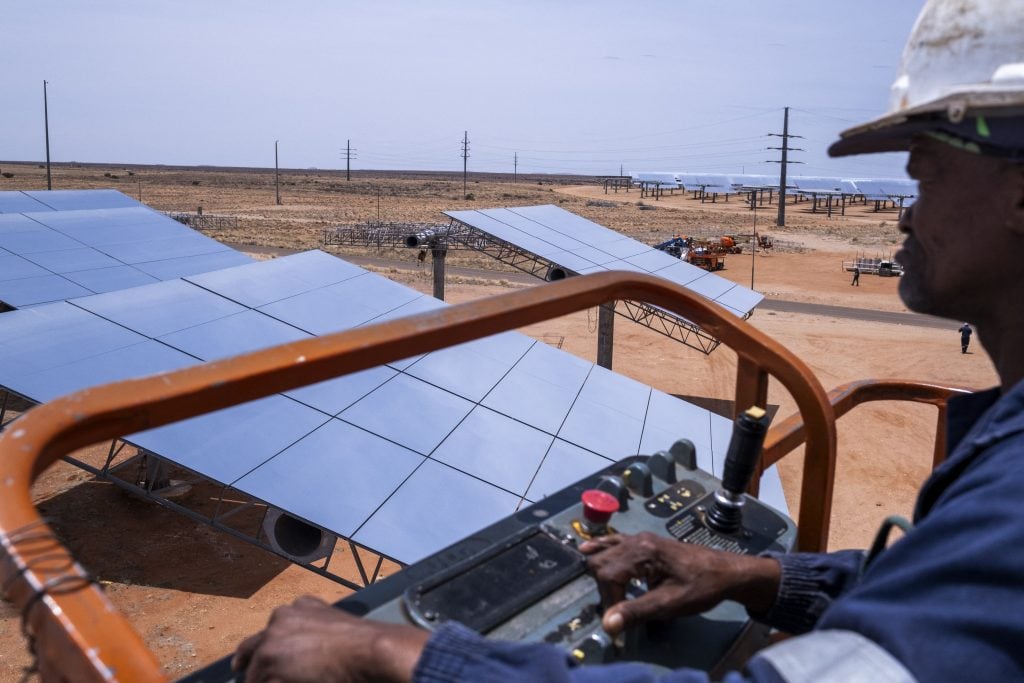
Although vast oil and gas reserves were discovered offshore during Geingob’s term, it will take time before these resources can be brought into production. Similar projects in other African countries have taken years to develop, with commercial gas production starting 11 years after the initial discovery in Mozambique. The timeline for green hydrogen production is expected to be somewhat shorter, with Hyphen Hydrogen Energy aiming to start production as early as 2028.
Due to the planned project’s location within the Tsau Khaeb National Park, environmental concerns have been raised. Hyphen plans to mitigate these concerns by building the project to the highest possible environmental standards and ensuring that it produces social benefits such as providing training to Namibian workers.
Despite these concerns, foreign governments, corporates, and investors have shown interest in the project. A memorandum of understanding was signed for an offtake agreement for green ammonia, and the European Union established a strategic partnership with Namibia on green hydrogen. Additionally, a blended finance vehicle agreed to take a 24% equity stake in the project in December 2023, highlighting the confidence in Namibia’s stable democracy.
However, concerns about a lack of transparency in the energy sector remain present. The Namibian government is considering joining the Extractive Industries Transparency Initiative to promote transparency in the sector. Transparency is seen as crucial in avoiding the “resource curse” scenario experienced in many of Africa’s major oil and gas producers.
Despite hopes for the future, Graham Hopwood, executive director of the Institute for Public Policy Research, expresses concerns about corrupt practices in the oil and gas sector and questions whether Nandi-Ndaitwah will be able to challenge these practices.