Rédaction Africa Links 24 with Africa News
Published on 2024-02-16 16:51:01
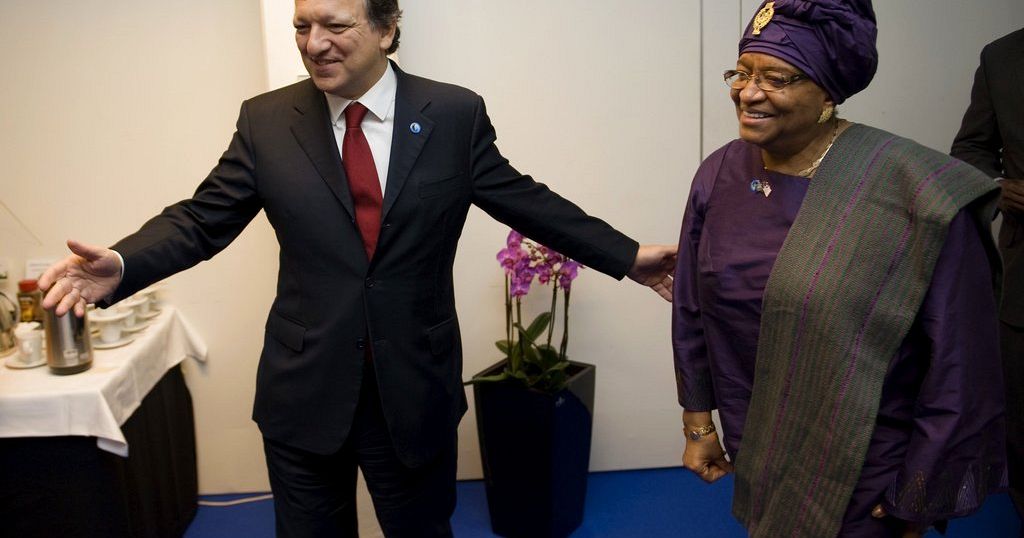
The 37th ordinary session of the African Union is set to address a range of critical issues, including pre-and post-election violence, humanitarian crises, and advancements in health. The assembly of the Heads of State and Government of the African Union is scheduled to convene in Addis Ababa starting on Saturday, February 17. One of the key figures present at the session is Jose Manuel Barroso, the former president of the EU’s commission and current chair of the Board of the Gavi Vaccine Alliance.
Barroso emphasized the importance of prioritizing the “social sector, health and education” in Africa, a sentiment that he believes is widely shared among the leaders of the continent. He also noted the construction of the first mRNA vaccine factory in Rwanda, which serves as a symbol of Africa’s efforts to prevent a repeat of the distribution failures experienced during the global rollout of Covid-19 vaccines. Barroso expressed optimism about the future of vaccine manufacturing in Africa, predicting that in ten years, the continent’s capabilities for producing vaccines will surpass what was previously possible.
The Africa Centres for Disease Control and Prevention (Africa CDC) has also highlighted the potential for vaccine manufacturing in Africa to meet and even exceed the continent’s projected demand for vaccines by 2030. In a briefing paper released in collaboration with the Clinton Health Access Initiative (CHAI) and PATH, the Africa CDC detailed the current and planned vaccine manufacturing capacity in Africa, demonstrating the continent’s commitment to strengthening its ability to produce and distribute crucial vaccines.
This focus on healthcare and vaccine manufacturing comes at a critical time, as the global Covid-19 pandemic has highlighted the importance of ensuring equitable access to vaccines and strengthening healthcare systems. By prioritizing the development of vaccine manufacturing capacity within Africa, leaders of the African Union are demonstrating their commitment to addressing the continent’s healthcare needs and reducing its reliance on external sources for essential medical supplies.
The efforts to build vaccine manufacturing capacity in Africa align with the African Union’s broader strategy for strengthening the continent’s healthcare infrastructure. By prioritizing investments in the healthcare and social sectors, African leaders are working to ensure that the continent is better equipped to address current and future health challenges. This long-term approach to healthcare development reflects a comprehensive vision for the future well-being of the continent’s population.
As the African Union convenes for its 37th ordinary session, the discussions and decisions made in Addis Ababa will play a crucial role in shaping the continent’s healthcare landscape and addressing pressing health issues. From vaccine manufacturing initiatives to broader efforts to strengthen healthcare systems, the session offers an opportunity for African leaders to demonstrate their commitment to promoting the well-being of the continent’s population. Through collaboration and strategic investment, the African Union aims to position Africa as a leader in healthcare innovation and resilience, setting the stage for a healthier future for the continent.
Read Original article on Africa News