By Africa Links 24
Published on 2024-04-04 10:06:54
In February 2023, the EU’s Copernicus Climate Change Service announced a concerning milestone – average global temperatures had risen more than 1.5°C above pre-industrial levels for the first time. This exceeded the international community’s target set in the 2015 Paris Agreement to keep global warming below a 1.5°C increase in the long term. While this breach in 2023 does not technically constitute a violation of the agreement, it does raise alarm bells about the urgency of addressing climate change.
The warning signs have been clear for years. In 2021, the International Energy Agency cautioned that global climate goals would not be met if new oil, gas, and coal projects continued to receive financing. Consequently, pressure has been mounting on commercial banks and multilateral organizations to stop funding these projects. African banks, in particular, are feeling the heat as the continent is projected to be disproportionately affected by the impacts of climate change. Seven African countries – Chad, Somalia, Democratic Republic of Congo, South Sudan, Central African Republic, Nigeria, and Ethiopia – were identified as the most vulnerable to climate change at COP27.
The dilemma at hand is complex. While it is widely agreed upon that greenhouse gas emissions need to be drastically reduced, disparities in historical emissions among nations further complicate the issue. Developed Western nations and more recent industrialized countries in Asia built their economies on carbon emissions, but now aim to prevent African states from following the same path. Despite Africa contributing only about 3-4% of global GHG emissions, they face scrutiny and pressure to abandon fossil fuel projects.
Meanwhile, countries like the UK and the US continue to expand oil and gas production, citing reasons like energy security and geopolitical concerns. China’s coal consumption is on the rise, although investments in renewable energy sources offer hope for a peak in consumption in the near future. The focus on reducing energy and transport emissions, particularly of carbon, overlooks other significant greenhouse gases and industries that contribute to climate change.
African nations are being urged to forego projects that could potentially drive economic development and improve livelihoods, while more affluent countries continue to consume high levels of meat and dairy products, significant contributors to GHG emissions. Shifting towards plant-based diets has been identified as crucial by the United Nations Environment Programme, yet national governments are hesitant to promote this change within their populations.
In light of these challenges, a fair solution is proposed – richer nations should compensate African countries for shelved projects that would have contributed to higher emissions. The International Partners Group, consisting of the UK, EU, France, Germany, and Canada, was established to provide renewable energy investments to developing countries through Just Energy Transition plans. However, the level of financing needed to offset potential high-emission projects is still insufficient.
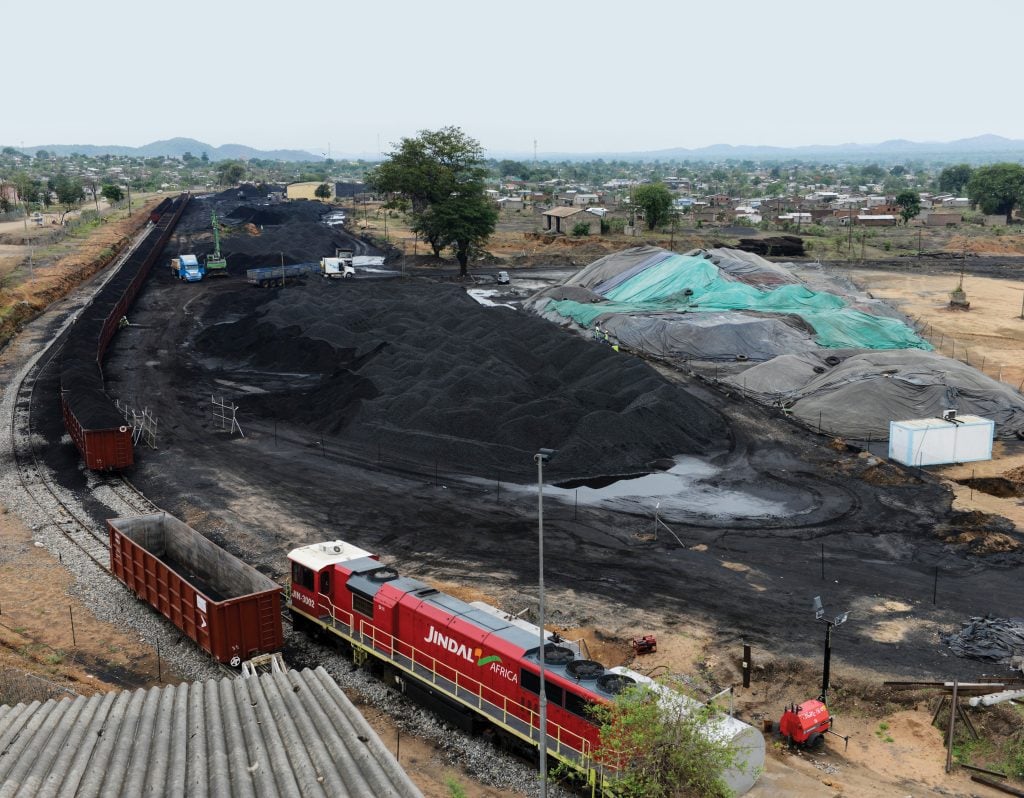
The shift in global sentiment against coal, in particular, is influencing commercial decisions. Mozambique’s coal industry has faced setbacks despite efforts to develop its reserves, as international companies withdraw from investments due to changing market dynamics. The case of the East African Crude Oil Pipeline in South Africa highlights the dilemma facing financial institutions, as they navigate between ethical considerations, financial risks, and climate concerns.
Standard Bank’s evaluation of the EACOP project underscores the growing tension between economic development and climate action. As the world grapples with the pressing challenges of climate change, the role of financial institutions in driving sustainable investments and responsible financing practices becomes increasingly crucial. It is imperative for banks to align their strategies with global climate goals and ensure that their investments contribute to a greener and more sustainable future for all.