By Africa Links 24
Published on 2024-02-26 04:00:00
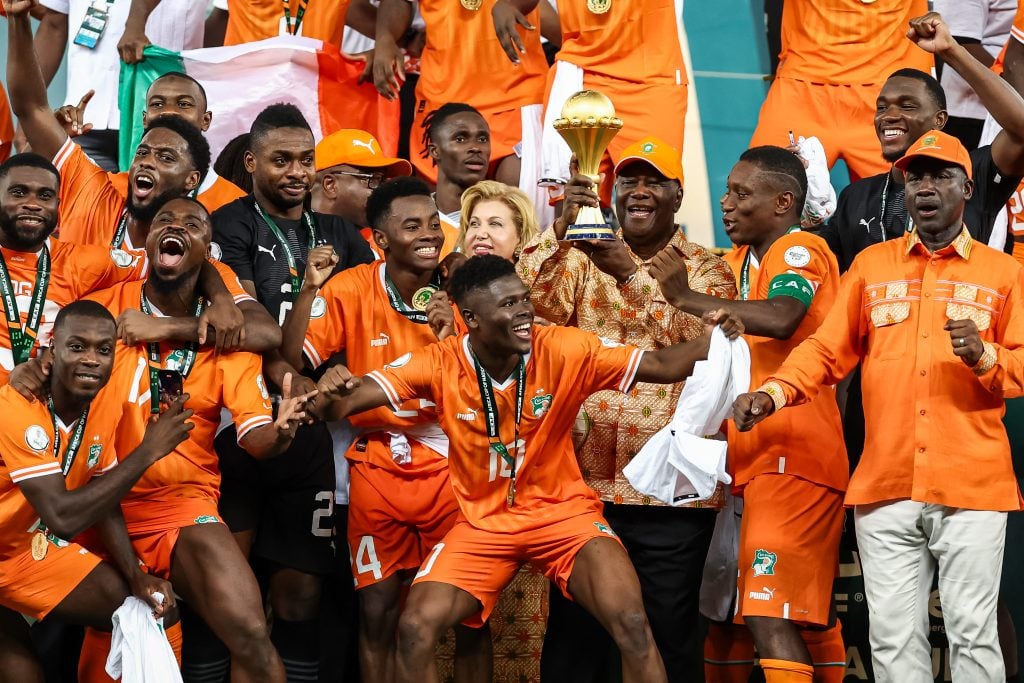
In February, the nation of Côte d’Ivoire rejoiced as their national football team, the Elephants, emerged victorious over Nigeria’s Super Eagles in the Africa Cup of Nations (AFCON) final. This win came after a tumultuous journey for the team, with head coach Jean-Louis Gasset being fired mid-tournament as they struggled to advance past the group stage. However, under the new coaching of former midfielder Emerse Fae, the team staged a remarkable comeback, ultimately winning the final 2-1 against their West African rivals.
This triumph on the football field mirrors a similar success story for the Ivorian economy. Despite being plagued by civil war in 2011, the country has now become one of the top performers in the region. The IMF praised Côte d’Ivoire for implementing significant structural reforms aimed at enhancing the business environment and promoting private sector involvement in the country’s development.
Deputy IMF managing director Kenji Okamura commended Côte d’Ivoire’s commitment to maintaining macroeconomic stability, citing the country’s strong economic performance over the past decade. The IMF expects the economy to grow by 6.6% in the current year, following solid growth rates of 6.2% in 2023 and 6.7% in 2022. This growth trajectory is particularly impressive considering the challenges posed by the Covid-19 pandemic, global financial pressures, and fallout from geopolitical events like Russia’s conflict in Ukraine.
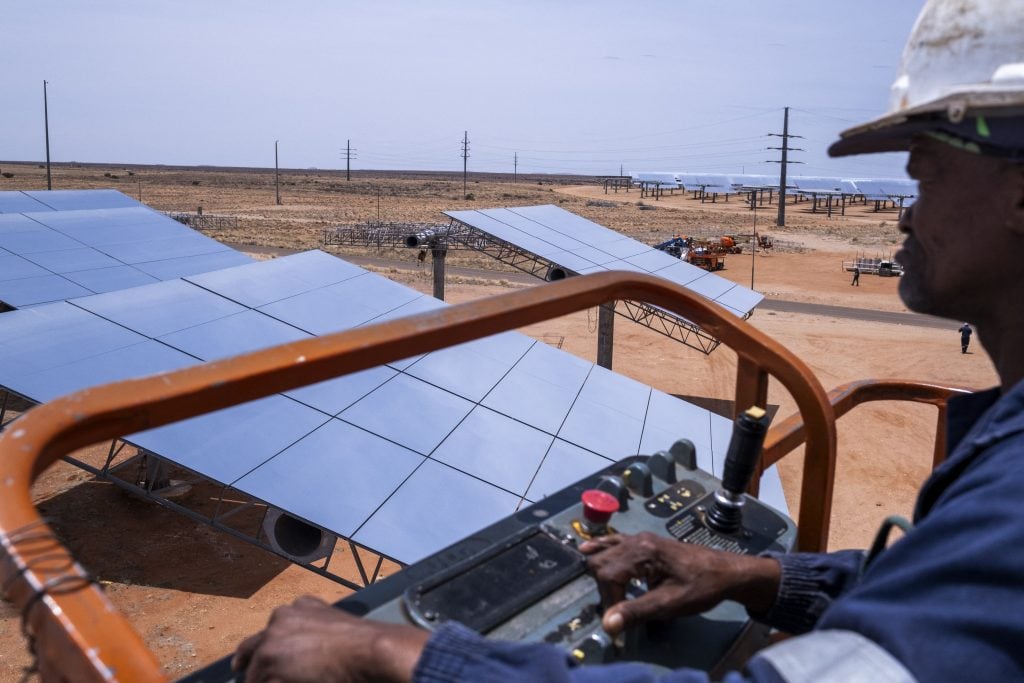
The positive economic outlook has led the IMF to provide further financial support to Côte d’Ivoire. A recent agreement between the Ivorian authorities and the IMF will see the implementation of a reform program focused on combating climate change, with an estimated value of $1.3 billion. This program aims to enhance climate adaptation and mitigation efforts in key sectors such as agriculture, transportation, infrastructure, and public finance management.
While the country’s economic performance has been commendable, there are still areas that require attention. The IMF emphasizes the importance of sustaining domestic revenue mobilization to create fiscal space for deeper economic transformation towards achieving upper middle-income status.
Looking ahead, the upcoming elections in 2025 will once again test Côte d’Ivoire’s political stability and democratic processes. The decision of incumbent President Alassane Ouattara on whether to run for a fourth term will be closely watched by citizens and investors alike, following the controversy surrounding his third term bid in 2020.
Overall, Côte d’Ivoire is experiencing success on multiple fronts, and President Ouattara has much to celebrate. The AFCON victory highlighted the potential benefits of fresh leadership perspectives, demonstrating that new approaches can sometimes yield unexpected rewards. As the country continues to navigate economic challenges and political transitions, its resilience and determination are evident in both sporting triumphs and economic achievements.