Rédaction Africa Links 24 with khaliil
Published on 2024-04-06 18:01:54
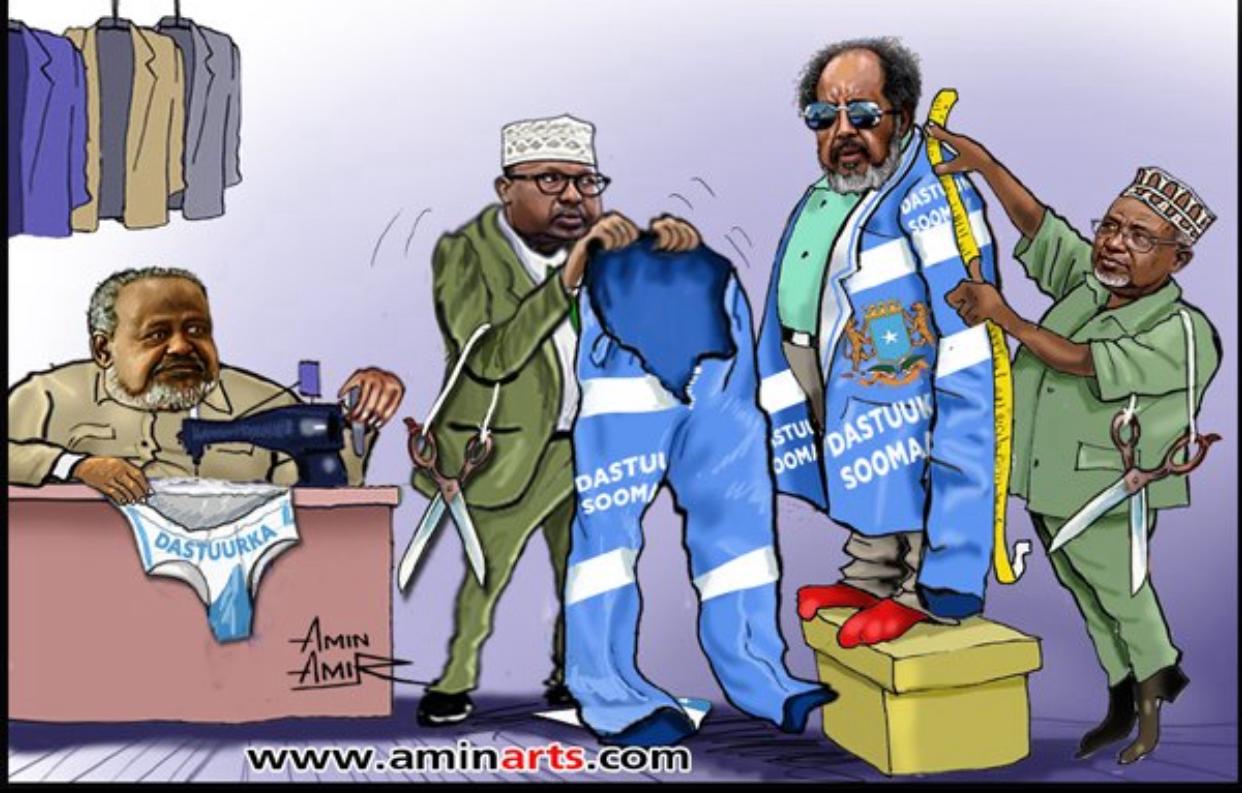
Behavior is what a man does, not what he thinks, feels, or believes.” President Hassan Mohamoud is known for his micromanagement tendencies, which led to a high turnover of Prime Ministers during his prior term in office. Despite his efforts to buy votes from MPs in Parliament, he was ultimately voted out in disgrace, with the title “father of corruption” attached to his name. In his quest for power, President Mohamoud even evicted internally displaced families from the security zone of Mogadishu Airport, selling the land to the wealthy and well-connected individuals who quickly built towers in the area. This decision made Mogadishu Airport one of the most dangerous in the world, as planes could potentially be targeted from the newly constructed buildings.
Throughout his time in office, President Hassan Mohamoud was embroiled in corruption scandals, enriching himself and his immediate family at the expense of the Somali people. Despite his checkered past, he was unexpectedly reelected in 2022, throwing Somali politics into disarray once again. His actions have divided the nation and alienated key stakeholders, including Puntland and Somaliland, who have distanced themselves from his rule.
The current administration’s focus on consolidating power within the hands of President Mohamoud has raised concerns about the future of Somalia’s governance. The President’s authoritarian tendencies and lack of accountability have eroded public trust and undermined efforts to build a stable and inclusive government. His appointment of unqualified individuals to key positions further illustrates his disregard for meritocracy and transparency in governance.
Despite the challenges facing Somalia, there is hope for a brighter future if the international community steps in to support democratic processes and promote good governance. Puntland stands out as a model of stability and autonomy within the federal system, demonstrating the potential for effective governance in the region. However, President Mohamoud’s actions threaten to derail progress and plunge the country into further turmoil.
As Somalia faces ongoing security threats from groups like Al-Shabab and internal divisions fueled by political corruption, the need for strong leadership and genuine reform is more urgent than ever. President Mohamoud’s authoritarian tendencies and disregard for democratic norms only deepen the country’s political crisis and hinder its path to stability.
It is crucial for all stakeholders, both domestic and international, to work together to address the root causes of Somalia’s instability and chart a path towards peace and prosperity. The future of Somalia depends on the collective efforts of its people, leaders, and partners to build a more inclusive and accountable government that prioritizes the interests of all citizens.
In conclusion, President Hassan Mohamoud’s leadership has raised serious concerns about the future of Somalia and the prospects for peace and stability in the region. His autocratic tendencies and corrupt practices threaten to undermine the country’s progress and push it further into chaos. It is imperative that all stakeholders come together to address these challenges and work towards a better future for all Somalis. Only through unity, accountability, and good governance can Somalia overcome its current crisis and build a brighter future for generations to come.
Read the original article on Wardheer News