Rédaction Africa Links 24 with Guardian Nigeria
Published on 2024-04-04 04:07:33
The Peoples Democratic Party (PDP), which was once the largest political party in Africa, had the ambition of governing Nigeria for a century, regardless of the quality of governance offered. However, this illusion was short-lived as the party, which also held the title of the biggest opposition party, is facing internal crises due to a lack of discipline among its members who believe they are bigger than the party itself.
As preparations for the 2027 general elections intensify, the PDP has been grappling with internal conflicts arising from its failure to effectively discipline errant members. The party’s National Working Committee (NWC) led by Umar Damagum is under fire for constantly changing its stance on probing allegations of anti-party activities within the party. Over the last 11 months, the NWC has shifted its position on the investigation multiple times, raising concerns about its credibility.
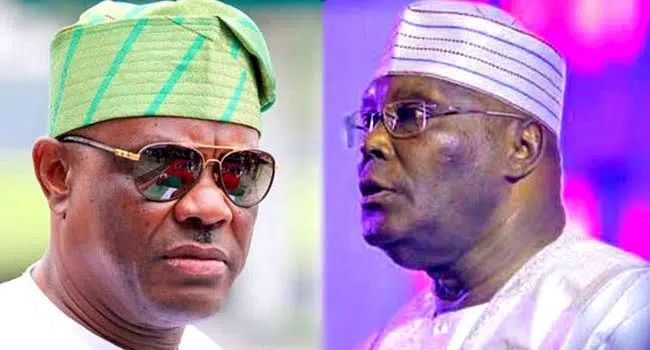
Despite promising to set up a committee to probe anti-party activities back in May 2023, the NWC delayed the process until December of the same year when it opted for reconciliation instead. Most recently, the party delegated the task of identifying individuals suspected of engaging in anti-party acts to its state chapters. However, Minister of the Federal Capital Territory, Nyesom Wike, has come under scrutiny for his alleged double standards in party matters.
These unresolved issues have reignited calls for a change in the national leadership of the party to allow for an independent NWC. While Damagum has expressed a preference for reconciliation to unite all factions ahead of upcoming elections, critics argue that this leniency may not be conducive to maintaining party unity.
The party’s indecisiveness and reluctance to take strong action against anti-party offenders have contributed to its dwindling power and influence over the years. Since losing power in 2015, the PDP has seen a significant decline in its control of governors, senators, and representatives across the country. This downward spiral can be attributed to the party’s failure to uphold the principles of punishment and reward when addressing internal conflicts.
As the PDP grapples with its internal struggles, there are growing concerns about its ability to reinvent itself and regain the political dominance it once enjoyed. Without addressing the root causes of indiscipline and disloyalty within the party, the PDP risks further erosion of its influence in Nigeria’s political landscape. It is imperative for the party to prioritize internal cohesion and discipline in order to secure its relevance in the future.
Read Original article on The Guardian