By Rédaction Africa Links 24 with Hibbah Araba Osei-Kwasi, Lecturer, Loughborough University
Published on 2024-01-07 15:35:53
The discussion around healthy eating often places blame on women for a lack of nutrition knowledge or cooking skills, with the assumption that a decline in cooking skills leads to unhealthy diets and obesity. This approach, known as a “deficit approach,” was challenged in a study focusing on Ghanaian women. Previous research on Ghanaian immigrants in the UK showed that they maintained their dietary traditions, defying the assumption that they would quickly adopt fast-food culture in high-income countries.
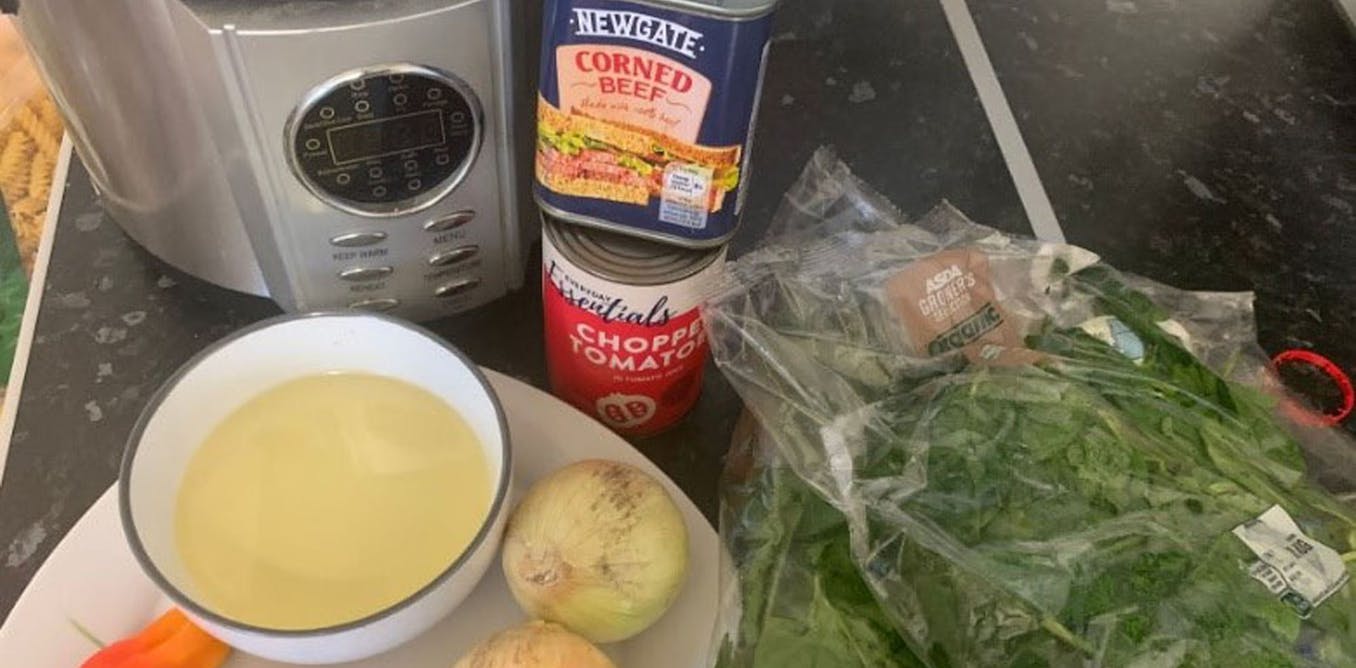
The study asked Ghanaian women in Manchester and Accra to take photographs of their cooking experience, which revealed a distinct subtype of home cooking characterized by raw and whole foods, locally produced ingredients, and specialized equipment. The women also viewed their cooking as an embodiment of love and care, adhering to culturally acceptable ways of feeding their families.
Analysis of the participants’ photos demonstrated hybrid cooking practices, with a combination of ingredients and cooking methods contributing to potentially unhealthy food practices. The adoption of newer cooking methods has been linked to a “nutrition transition,” observed not only in high-income countries but also in Ghana.
Despite the adoption of some modern cooking tools such as freezers and microwaves, the women maintained traditional cooking practices as a central part of their cultural heritage. This reflected their love for cooking and their efforts to preserve their traditional foods.
While traditional Ghanaian cooking was perceived as healthier, there were still risks associated with foodborne illnesses and disease in both Ghana and the UK. The women in Manchester were also not prioritizing obesity as a target for change, indicating that sociocultural rules and structural determinants play a significant role in dietary practices.
The study concluded that cooking for Ghanaian women has social, cultural, and emotional associations in addition to its impact on nutrition and health. Health promotion interventions should therefore consider these factors to resonate with women’s realities. The research was supported by the Axa Research Fund, which aims to accelerate and share scientific knowledge on societal issues. For more information, visit the Axa Research Fund website or follow them on Twitter.
Read the original article on The Conversation