By Africa Links 24
Published on 2024-02-06 11:16:53
In December 1997, at a meeting in Luxembourg, the European Council made the significant decision to open accession negotiations with all countries that had applied for membership in the European Union, except for one nation: Turkey. The reason for this rejection was cited as Turkey’s inability to meet the democratic requirements for EU membership and its lack of strong adherence to the rule of law. However, Turks believed that the true reason for this exclusion was not political, but cultural, as European leaders were not open to the idea of a Muslim-majority country, with part-Asian heritage, being a part of the EU project. This event prompted a period of reflection and introspection within Turkey’s political, economic, and foreign policy elite, as they sought to determine Turkey’s place in the world.
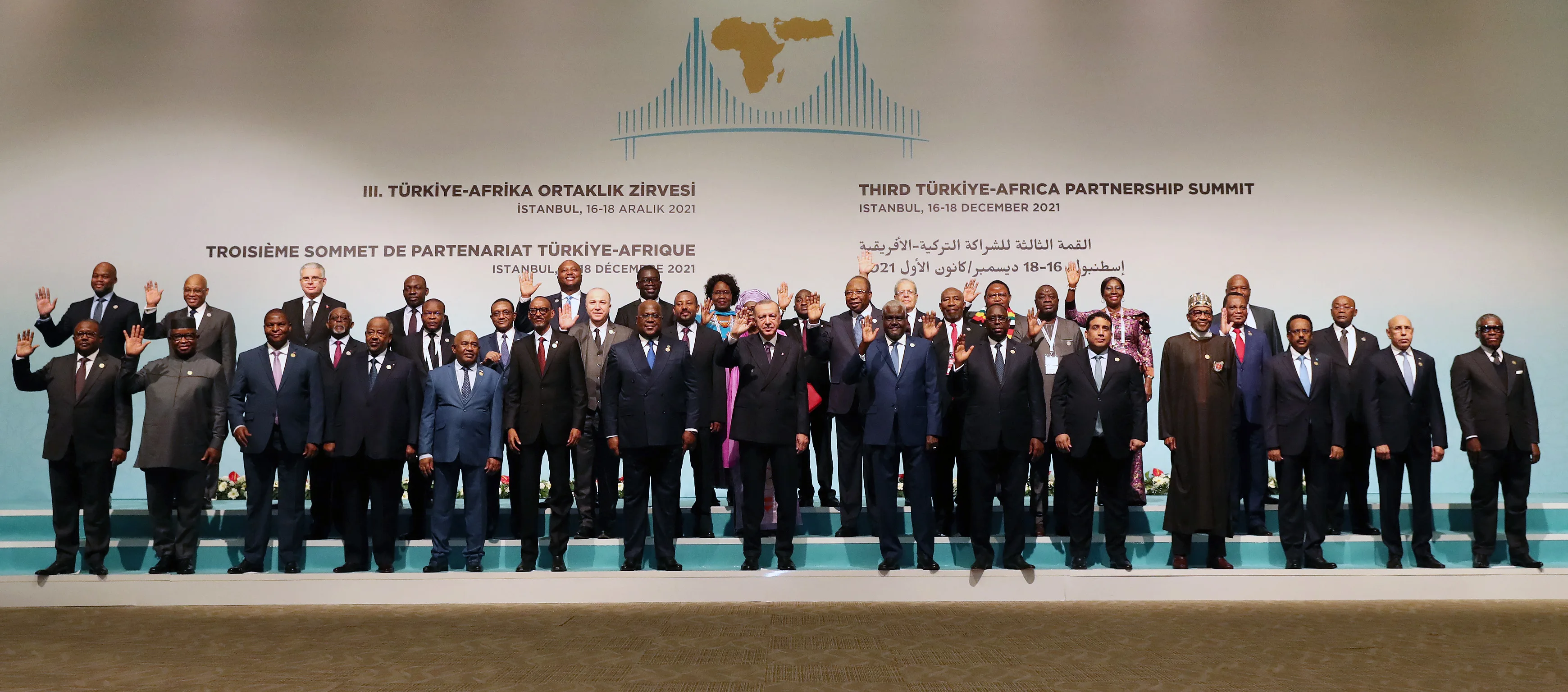
As a result, Turkey emphasized its relationship with the “Global South,” particularly Africa, as a potential path to greater geopolitical influence and economic prosperity. In 1998, Turkey launched its “Action Plan for Africa,” and in 2005, it began implementing the “Opening to Africa” program. This comprehensive strategy involved economic and cultural diplomacy initiatives with a focus on education, engaging both civil society and business actors. The successful implementation of this strategy was evident in the significant growth of trade between Turkey and Africa, which saw an eightfold increase in just two decades. Africa became a strategic market for Turkish companies, particularly in the aerospace and defense sectors.
The economic ties between Turkey and Africa have continued to expand, with bilateral trade surpassing $40bn in 2022, compared to just over $5bn in 2003. Turkish companies have also been involved in construction projects worth $85bn, while Turkish Airlines has increased its presence in Africa to serve over 60 destinations. Furthermore, Turkey’s unique and hybrid image in Africa has allowed it to carve out a distinctive role in the region, differentiating itself from both Western liberal and Chinese authoritarian capitalism.
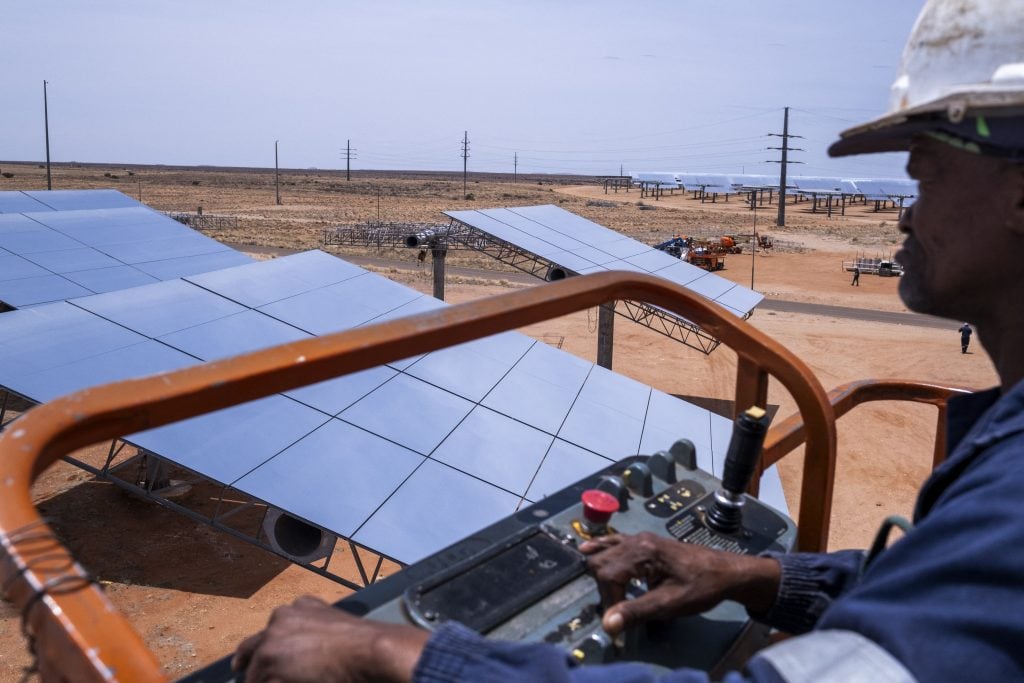
In recent years, Turkey has expanded its investments in North Africa, while also venturing into Sub-Saharan Africa to capitalize on opportunities in rare earth materials, critical natural resources, and renewable energy. This diversification of investments has been aimed at harnessing the potential of new markets across Africa. As part of its growth strategy, Turkey has sought to maintain a non-interference policy, establishing mutual partnerships and economic engagements without imposing political conditions on African countries, thereby emphasizing state sovereignty.
The rapid growth of Turkey’s economic and political presence in Africa is also due in part to a shared interest in reforming global governance structures. Both Turkey and Africa have sought to rework international institutions such as the International Monetary Fund and the World Bank, striving for a more balanced distribution of economic and political authority. This approach has resonated with many African countries, who have welcomed Turkey as a partner that supports greater involvement in global decision-making.
As a result of these shared interests, a notable Turkish presence has been established in Africa, with a proliferation of Turkish embassies across the continent. This growing proximity has led to Turkey’s increasing involvement in regional conflicts, military cooperation, and the export of military equipment to various African countries. The Ankara Consensus, as it has been termed, represents a new model for the economic, political, and social development in Africa, offering an alternative to the existing Washington and Beijing Consensus.
This unique approach of mutually beneficial economic partnerships, respect for state sovereignty, and shared global governance goals has positioned Turkey as a significant player in Africa’s development. As Turkey continues to enhance its presence and dedicate resources beyond its traditional focus in East Africa, the Ankara Consensus holds the potential to deliver greater prosperity and political representation for African nations at the global level.