Rédaction Africa Links 24 with SudanTribune
Published on 2024-03-16 09:53:33
Former British diplomat Dame Rosalind Marsden discusses the ongoing conflict in Sudan in her recent article published on ChathamHouse.org. The article highlights the recent UN Security Council resolution calling for a cessation of hostilities in Sudan during Ramadan, emphasizing the need for a sustainable solution to the conflict through dialogue and compliance with international humanitarian law.
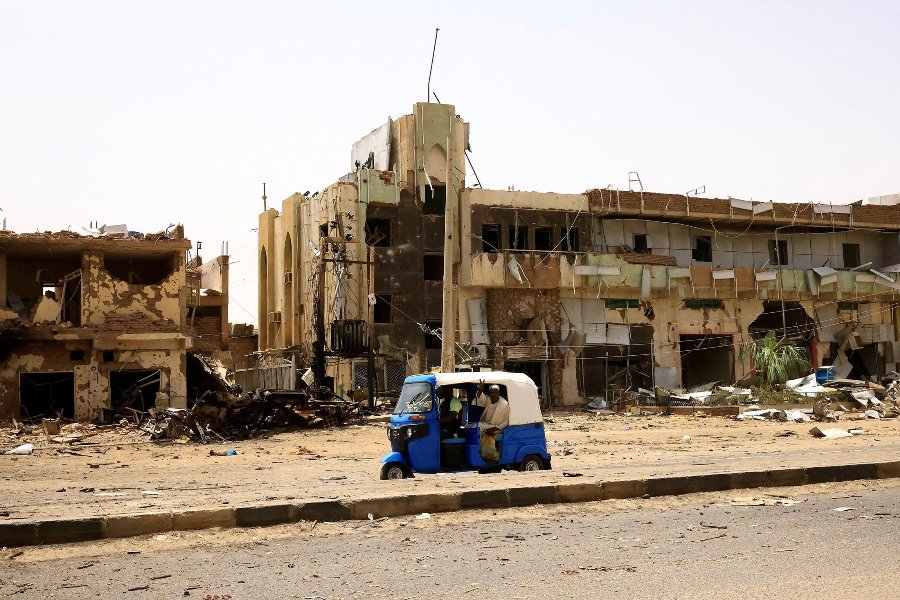
The conflict in Sudan, primarily between the Sudan Armed Forces (SAF) and the paramilitary Rapid Support Forces (RSF), is rooted in a history of internal conflict, marginalization, and lack of accountability for atrocities. Both factions have shown a blatant disregard for civilian lives, leading to widespread destruction and displacement of millions of Sudanese people.
Despite the humanitarian crisis unfolding in Sudan, the international community’s attention is disproportionately directed towards other global conflicts, raising concerns about double standards in addressing crises in Africa. The lack of funding for the UN’s Humanitarian Response Plan for Sudan exacerbates the food crisis and displacement issues, further complicating efforts to resolve the conflict.
The involvement of regional actors in supporting the warring parties in Sudan adds a geopolitical dimension to the conflict, potentially destabilizing the region and attracting extremist groups. Both the RSF and SAF have weaponized hunger, using it as a tactic in the war, further exacerbating the humanitarian crisis.
Efforts to negotiate a ceasefire during Ramadan have been met with skepticism, as both sides continue to engage in fierce fighting with no clear mechanisms for implementation and monitoring. The influence of hard-line Islamists from the Bashir era poses a significant obstacle to peace negotiations, complicating efforts to end the conflict.
Diplomatic efforts at the highest level are urgently needed to push for a ceasefire, counter the influence of hard-liners, and support a transition towards democratic governance in Sudan. The involvement of civilians in the peace process is crucial, as they are the main victims of the war and should play a key role in shaping Sudan’s future.
Recent developments, such as Egypt and the UAE facilitating talks between the RSF and SAF, and the creation of a High-Level Panel on Sudan by the African Union, demonstrate a growing commitment to resolving the conflict. However, more visible and high-level political commitment is needed to ensure a sustainable peace process in Sudan.
In conclusion, the conflict in Sudan requires a concerted diplomatic push, financial pressure on the warring parties, and support for grassroots peacebuilding initiatives. The international community must prioritize efforts to end the war in Sudan to prevent further escalation and humanitarian suffering in the region.
Read the original article on Sudan Tribune


