Rédaction Africa Links 24 with umajulius
Published on 2024-04-12 09:26:26
April 11, 2024 marked a significant day in Sudan as the United Nations High Commission for Human Rights released a disturbing report revealing that at least 118 individuals, including 19 children, had been victims of sexual violence, including rape, gang rape, and attempted rape by mid-December 2023. The conflict in Sudan between the Sudanese Armed Forces (SAF) and the paramilitary Rapid Support Forces (RSF) had triggered a wave of atrocities that targeted innocent civilians, especially women and children.
One of the harrowing testimonies included in the report was that of 18-year-old Amna Salih, who experienced a nightmare when soldiers broke into her home during the conflict. Alone and defenseless, Salih was subjected to repeated acts of rape with a gun pointed at her, leaving her traumatized and broken. Despite the horror she endured, Salih managed to escape with the help of a neighbor and sought refuge in a safer part of the city. However, the ordeal continued as she discovered she was pregnant a few months later while living in an internally displaced persons’ (IDP) shelter.
The prevalence of sexual violence against women in Sudan was exacerbated by factors such as stigma, distrust of the justice system, and fear of reprisals, which deterred many victims from reporting their abuse. However, organizations like the Sudanese Organization for Research and Development (SORD) and the Women Awareness Organization (AWOON) stepped in to provide support and care for vulnerable women affected by gender-based violence.
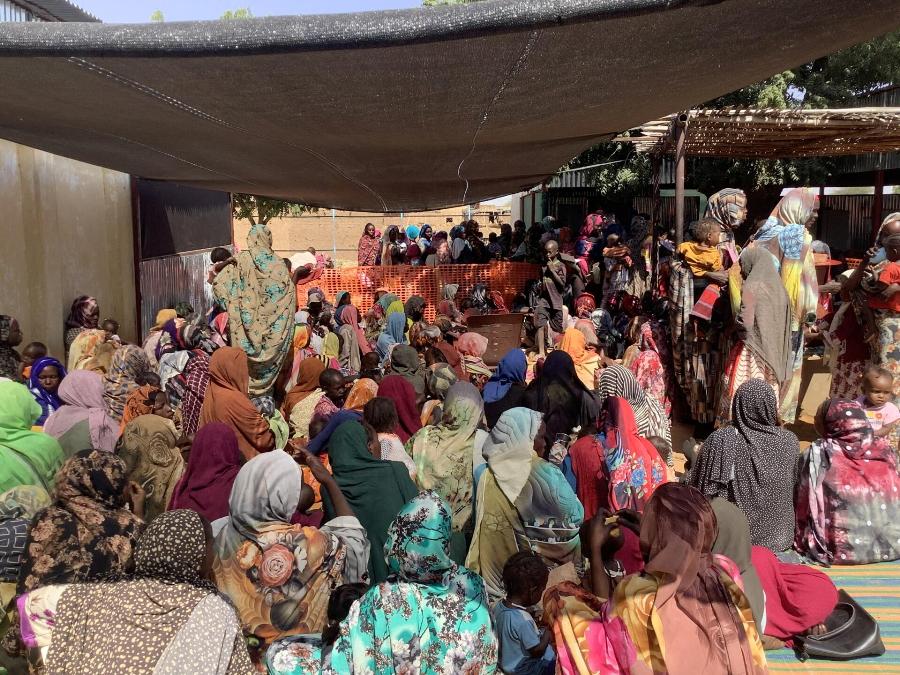
Nahid Ahmed, a specialist in psychotherapy at AWOON, highlighted the challenges faced by women survivors of sexual assault and emphasized the need for intensive psychological support and medication where needed. The establishment of Women Situation Rooms (WSRs) by the Red Sea Emergency Room, AWOON, and UN Women aimed to assist women in accessing essential humanitarian services, including obstetric care for pregnant survivors of sexual violence, shelter, food, and water for displaced individuals.
The WSRs also served as coordination points for evacuating civilians from frontline areas, repairing essential infrastructure, and reuniting missing persons with their families. However, despite the vital role played by the WSRs, there was a need for increased technical and financial support to enhance their effectiveness in providing aid to women and frontline responders.
As the conflict in Sudan persisted, the number of individuals in need of gender-based violence services continued to rise, reaching 4.2 million people since the beginning of the war. The UN humanitarian agency (OCHA) projected this number to increase to 6.9 million in 2024, underscoring the urgent need for sustained efforts to address the growing crisis of sexual violence in Sudan.
In conclusion, the tragic testimonies shared in the report shed light on the pervasive violence and abuse faced by women in Sudan during the conflict. The collaborative efforts of organizations and the support provided through initiatives like the WSRs offer a glimmer of hope for survivors like Amna Salih, emphasizing the importance of continued advocacy and assistance for those affected by sexual violence.
Read the original article on Sudan Tribune