Rédaction Africa Links 24 with SudanTribune
Published on 2024-03-18 22:50:40
Multiple reports from civil activists have shed light on the deteriorating humanitarian conditions in camps for displaced people in Darfur, specifically due to severe food shortages, leading to widespread malnutrition among children. Despite doubts expressed by Salwa Adam Benya, the Commissioner-General for Humanitarian Aid in Sudan, during a recent meeting with voluntary organizations in Port Sudan, the reality on the ground remains dire.
Amina Mohammed Abdel Rahman, the women’s official in Kalma camp in Nyala, South Darfur, highlighted the lack of food aid reaching residents since the outbreak of the war ten months ago. Fear of rape has prevented women from leaving the camp for work, and many residents have fled Nyala due to the ongoing conflict. Adam Rijal, spokesman for the General Coordination for Displaced Persons and Refugee Camps in Darfur, emphasized the unbearable situation caused by food shortages and rising malnutrition, affecting both pre-war and post-war camps, including those controlled by the Sudan Liberation Movement in Jebel Marra.
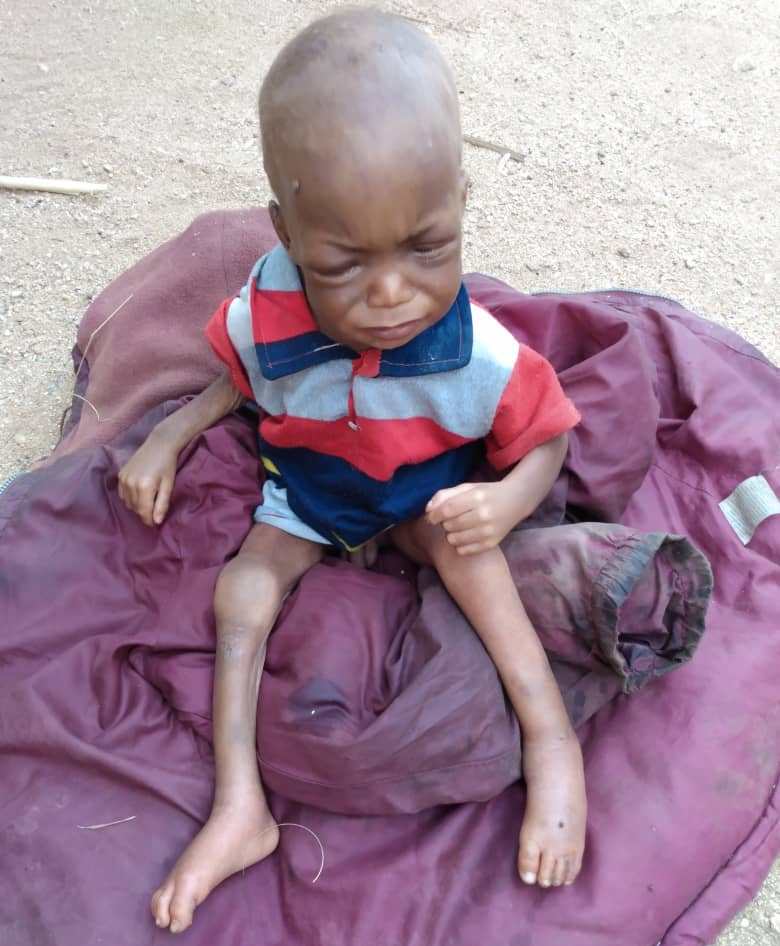
The challenges of obtaining accurate malnutrition statistics are compounded by deteriorating security and communication breakdowns. Video clips showing malnourished children in camps like Mukjar in Central Darfur have been circulating, raising concerns about the escalating risk of famine in the region, primarily controlled by the Rapid Support Forces. Efforts to open humanitarian aid crossings through Chad and South Sudan have faced resistance from local groups like the Rapid Support Forces and the Sudan Liberation Movement-Transitional Council, underscoring the complex dynamics at play in delivering aid.
In response to the critical humanitarian appeal issued by the Coordination of Displaced Persons’ Camps in North Darfur for camps like Kassab and Fata Borno, Commissioner-General Benya reiterated the government’s commitment to facilitating international aid efforts while calling for stronger global attention to Sudan’s humanitarian crisis. The government’s stance on compliance with Sudanese laws and the need for a more robust international response was emphasized, especially considering the limited funds received compared to pledges made at a donor conference in Geneva.
Benya stressed the importance of reaching displaced populations within Sudan, asylum seekers abroad, and areas controlled by rebel groups, highlighting the delicate balance between aid delivery and security considerations. The recent allowance of aid trucks from Chad into El Geneina demonstrates a step towards addressing urgent needs, with a willingness to explore new crossing points if required. Ultimately, the responsibility for safeguarding aid workers falls on the government, necessitating a multi-faceted approach to address the complex humanitarian challenges facing Darfur.
Read the original article on Sudan Tribune