Rédaction Africa Links 24 with SudanTribune
Published on 2024-04-03 00:55:23
On April 2, 2024, Sudanese authorities made the decision to suspend three Arab satellite channels: Sky News Arabia, Al Arabiya, and Al Hadath. The Ministry of Culture and Information cited various reasons for the suspensions, including lack of transparency, unprofessional reporting practices, and issues with license renewal.
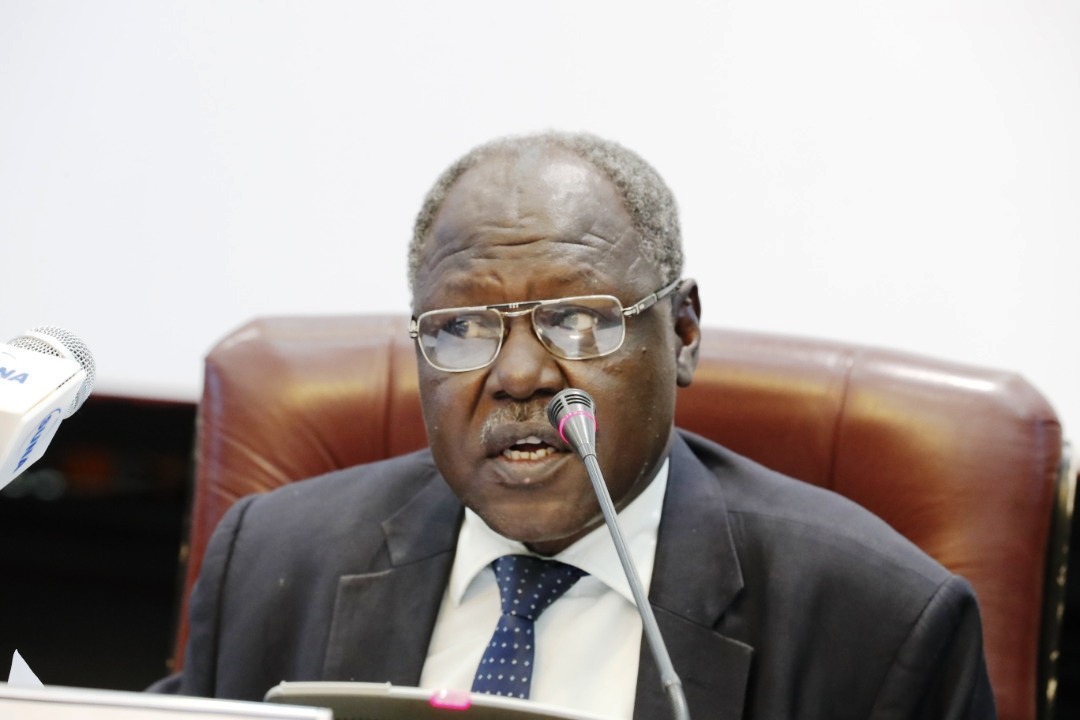
Minister Graham Abdel Gader explained that the UAE-funded Sky News Arabia was suspended due to “harmful publishing,” while the two Saudi channels, Al Arabiya and Al Hadath, did not renew their licenses. The Ministry of Foreign Affairs also criticized Sky News Arabia for airing a video about the Somali militant group Al-Shabaab, incorrectly presenting it as footage from Sudan and relying on a newspaper affiliated with the Rapid Support Forces (RSF). Sky News Arabia defended the accuracy of the report but admitted to using archived footage.
The timing of this incident coincided with Sudan’s complaint to the UN Security Council on March 26 regarding the UAE’s alleged support for the RSF. The Sudanese Journalists Syndicate (SJS) condemned the suspension of the channels, stating that it was a clear violation of freedom of expression and the press. The SJS expressed concerns that shutting down these channels would suppress professional media and contribute to the spread of misinformation and hate speech.
The ongoing war in Sudan since April 2023 has greatly affected press operations in the country. Journalists face numerous challenges, including detentions by both sides of the conflict. These restrictions have led to an increase in rumors and false reports on social media, turning it into a battleground for war propaganda.
The situation in Sudan highlights the delicate balance between freedom of the press and government regulation. While the Sudanese authorities have raised legitimate concerns about the conduct of these satellite channels, the decision to suspend them raises questions about censorship and the ability of journalists to operate freely in the country.
As the situation continues to unfold, it is crucial for all parties involved to prioritize transparency, professionalism, and respect for freedom of expression. Finding a way to address the challenges facing the media in Sudan while upholding journalistic integrity and accountability will be essential in moving towards a more informed and open society.
Read the original article on Sudan Tribune