Rédaction Africa Links 24 with SudanTribune
Published on 2024-03-03 09:19:08
On February 3, 2024, the Wall Street Journal reported that Iran’s proposal to establish a permanent naval base on Sudan’s Red Sea coast was rejected, shedding light on the intricate power dynamics within the war-torn East African country.
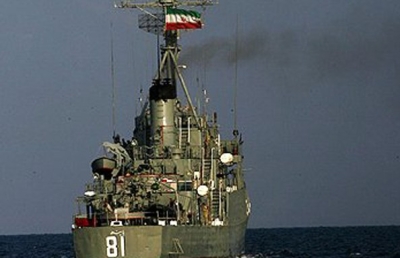
A senior Sudanese intelligence official, Ahmed Hassan Mohamed, revealed that Iran had offered Sudan advanced weaponry, including a helicopter-carrying warship, in exchange for permission to construct the base. The official explained that the base would have allowed Iran to gather intelligence and station warships near the strategically vital Suez Canal and Israel.
Despite the tempting offer, Sudan decided to decline, citing concerns about potentially straining its relationships with the United States and Israel, with whom the country had been working to strengthen ties. This refusal emphasized the strategic significance of Sudan, especially its Red Sea coastline, which attracts the attention of various regional powers due to the ongoing civil war between the Sudanese army and the paramilitary Rapid Support Forces (RSF).
The conflict in Sudan has resulted in a power vacuum that has drawn the interest of different countries seeking to exert influence in the region. Sudan’s military has been using explosive drones supplied by Iran to combat the RSF, leading to widespread human rights abuses and a humanitarian crisis.
Additionally, the United Arab Emirates (UAE) has been accused by the Sudanese government of providing weapons to the RSF, although UAE officials have denied these allegations. Egypt has also reportedly trained Sudanese troops and supplied drones to the country, further complicating the already volatile situation in Sudan.
The rejection of Iran’s base proposal and the involvement of various regional actors underscore the complexity of Sudan’s current state. Sudanese government officials have criticized the United States for not addressing the UAE’s support for the RSF, suggesting that the Biden administration should focus on curbing this support before commenting on Sudan’s limited military cooperation with Iran.
Former U.S. Ambassador to Sudan, John Godfrey, expressed concerns last February about Iranian arms shipments to the Sudanese army, highlighting the need for a deeper understanding of the dynamics at play in the region.
In conclusion, the Wall Street Journal’s report sheds light on the intricate power struggles and alliances in Sudan, emphasizing the critical role that the country plays in regional politics. With multiple actors vying for influence and the ongoing civil conflict exacerbating tensions, Sudan remains a pivotal player in East Africa’s geopolitical landscape.
Read the original article on Sudan Tribune


