Rédaction Africa Links 24 with umajulius
Published on 2024-03-10 07:35:18
The ongoing conflict in Sudan has led to a near total communication blackout in the country, posing serious risks to the coordination of emergency assistance and humanitarian services to millions of people affected by the conflict. Amnesty International has raised concerns about the continued shutdown of networks and internet services in Sudan, which has limited people’s ability to communicate with their families, access essential services, and seek safety from the fighting.
According to reports, the telecommunications blackout is affecting vulnerable populations who have already been enduring conflict for close to a year. Without communication, humanitarian operations and emergency services are at risk of coming to a halt, further endangering the lives of millions of people. Amnesty International has called for the full restoration of communication services in all of Sudan, particularly as the Holy month of Ramadhan approaches.
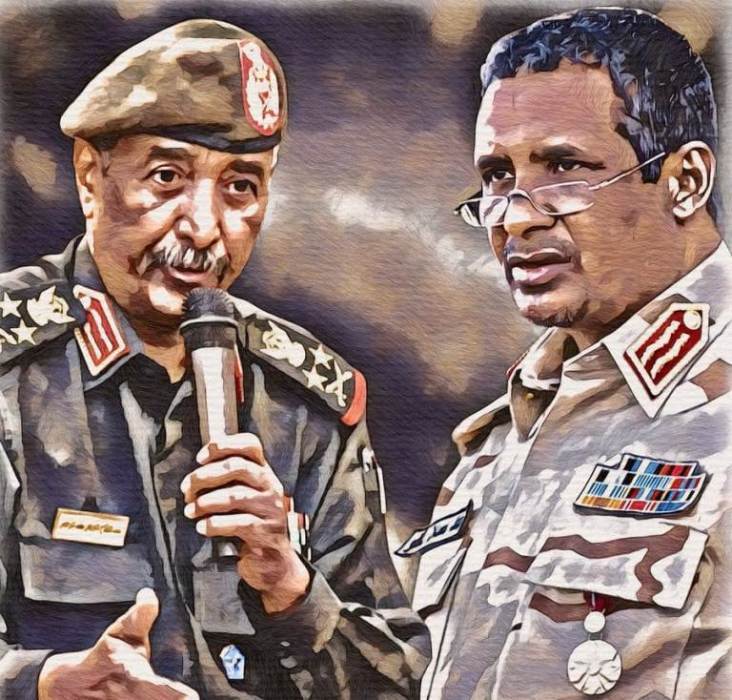
Since the conflict began in April 2023, the Sudanese Armed Forces (SAF) and Rapid Support Forces (RSF) have repeatedly shut down the internet in areas controlled by opposing sides. This latest shutdown in early February has exacerbated an already dire humanitarian and human rights crisis, with thousands of people killed and millions displaced.
The weaponization of internet shutdowns by the warring parties in Sudan is considered a violation of international law by human rights organizations. The lack of communication has created anxiety among Sudanese communities both inside and outside the country, with many unable to connect with their loved ones and unsure of their well-being.
Amnesty International conducted interviews with more than 20 individuals who expressed difficulties in communicating with their friends and family members since the blackout began. One individual based in Kenya shared their concerns about not being able to contact their family in Khartoum, causing constant worry about their situation.
Human rights defenders in Uganda and Kenya also reported challenges in documenting ongoing violations in Sudan due to the communication blackout. Additionally, frontline humanitarian aid providers, such as the Emergency Response Rooms (ERR), have been severely impacted by the shutdown. These virtual rooms were set up to coordinate support for those affected by the conflict and provide life-saving services to communities in need.
Amnesty International continues to call for the restoration of communication services in Sudan to ensure that millions of people can communicate with their families, seek safety from the conflict, access essential services, and receive vital support. As the conflict continues to devastate the country, the need for communication and coordination of humanitarian efforts becomes increasingly critical.
Read the original article on Sudan Tribune