Rédaction Africa Links 24 with SudanTribune
Published on 2024-03-06 13:15:15
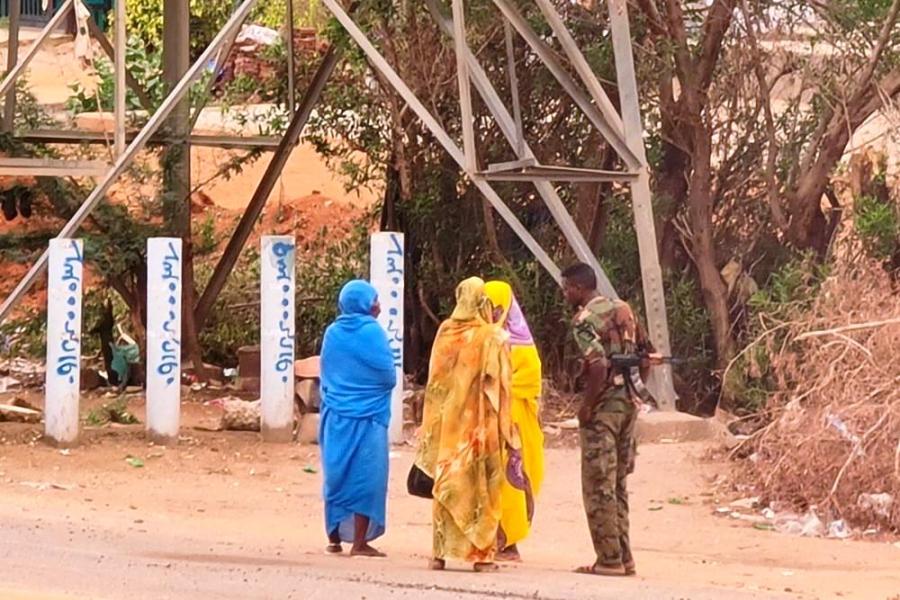
The conflict in Sudan has taken a devastating toll on women, with reports emerging of widespread sexual violence and the resulting trauma. Human rights advocate, Inaam Ateeq, has shed light on the harrowing experiences of women who have been raped during the conflict, revealing that at least 12 victims have resorted to abortions, while others are waiting for approval from authorities.
The United Nations has also raised concerns about the prevalence of sexual violence in the war-torn region. UN Human Rights Commissioner Volker Türk recently reported that his office had documented 60 conflict-related sexual incidents involving 120 victims, with the Rapid Support Forces and affiliated gunmen being held responsible for 81% of the cases.
Sudanese law generally prohibits abortion, except in cases where the mother’s life is in danger or if the pregnancy resulted from rape and the fetus is less than 90 days old. However, Ateeq revealed that some hospitals have refused to perform abortions for the victims, pushing them to seek help in Wad Madani, a city under the control of the Rapid Support Forces.
The situation is further compounded by challenges faced by victims seeking justice. Many have filed legal cases against unknown armed parties, while others are discouraged from coming forward due to fear of insecurity and a lack of public prosecutors in their areas.
In response to these pressing issues, the “Together Against Rape and Sexual Violence” campaign submitted a memorandum to the Attorney General on March 3rd. The memorandum calls for simplified procedures for abortion access for rape victims, the acceptance of all evidence from victims and supporting organizations, and a flexible application of legal procedures to ensure access to justice.
The campaign is set to meet with Attorney General Mohamed El-Fateh Tayfour to discuss the concerns outlined in the memorandum. Ateeq confirmed the meeting and stated that preparations are underway through consultations with legal experts, civil society organizations, and victim support groups.
Despite these efforts, monitoring rape cases remains a challenge due to limited information, disrupted communication networks, and the displacement of victims. The Women’s Organization of the Horn of Africa (SIHA) estimates that the actual number of rape cases could be significantly higher than the reported 180, underscoring the need for better documentation and support for survivors.
The plight of women in Sudan highlights the urgent need for comprehensive measures to address sexual violence, provide support to survivors, and ensure access to justice. It is crucial for authorities to prioritize the protection and well-being of women in conflict-affected areas, and for the international community to support efforts to end impunity for perpetrators of sexual violence. Only through collective action can we strive towards a future where all women are safe, respected, and empowered.
Read the original article on Sudan Tribune