Rédaction Africa Links 24 with SudanTribune
Published on 2024-03-25 00:31:05
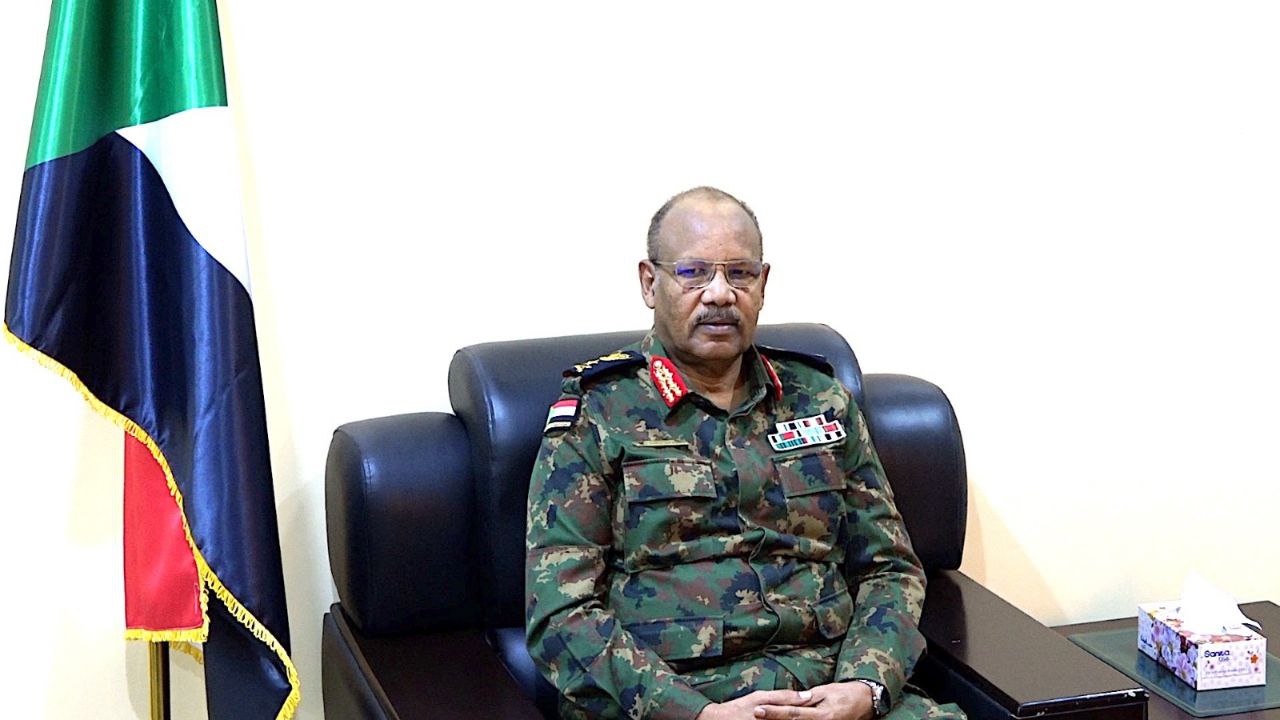
On March 24, 2024, Lieutenant General Ibrahim Jaber and Foreign Minister Ali Al-Sadiq of Sudan’s Sovereign Council discredited claims that Iran had provided military aid to Sudan for its internal conflicts. The renewed diplomatic ties between Sudan and Iran have raised questions about their future relationship and potential impact on regional military dynamics, particularly regarding the ongoing clashes between the Sudanese army and paramilitary forces.
In an interview with Sudan Tribune, General Jaber emphasized the significance of open communication and shared interests in international relations. He rejected accusations of leveraging the relationship with Iran for political gain, distinguishing their approach from that of the previous regime. He pointed out that most Gulf countries maintain diplomatic ties with Iran, with severed relations being the exception.
“Our relationship with Iran will not impede our normalization with Israel, which Sudan led,” added General Jaber. He reiterated Sudan’s commitment to conducting foreign policy and international relations in the best interests of its people, pursuing normalization when beneficial and refraining from it otherwise.
Similarly, Foreign Minister Al-Sadiq denied receiving any military support from Iran in a separate statement to Sudan Tribune. He clarified that restoring relations with Iran is not aimed at targeting any specific country or regional and international power. He questioned the double standard applied to Sudan and Saudi Arabia’s relationship with Iran, asserting that Sudan had simply resumed existing ties and dismissing speculations about Iranian weaponry.
Al-Sadiq confirmed that there are no agreements for military aid with Iran at present, stating, “Currently, we’ve only agreed to reopen embassies.” Several Arab countries, including Qatar, Saudi Arabia, Bahrain, and the UAE, maintain positive relations with Iran, with a senior Foreign Ministry official emphasizing the unfounded nature of rumors about offering a naval base to Iran.
Iran had previously assisted Sudan’s early military industry in the mid-1990s, but the ties were severed before the 2005 peace agreement with the SPLM. Tensions escalated in 2015 due to Iranian actions against Saudi Arabia, leading to severed relations. Subsequently, Sudan developed drone and weapons manufacturing capabilities.
A senior Sudanese Air Force officer revealed the country’s advanced drone manufacturing facilities, focusing on developing its own drones while strategically acquiring components from the global market. The officer dismissed speculations about Iranian involvement, citing the transparency of modern technology in drone production and refuting the idea of acquiring Iranian Mohajer drones due to their high cost and significance to Iran’s military capabilities.
In conclusion, Sudan’s officials refuted allegations of military aid from Iran and emphasized their commitment to pursuing foreign relations in the best interests of their people. The development of advanced drone manufacturing capabilities in Sudan has progressed independently, with a strategic approach to enhancing the country’s defense capabilities. The reopening of embassies signals a step towards normalization in Sudan’s diplomatic relations with Iran, without specific intentions to align with any particular regional or international power.
Read the original article on Sudan Tribune