Rédaction Africa Links 24 with SudanTribune
Published on 2024-03-19 21:15:40
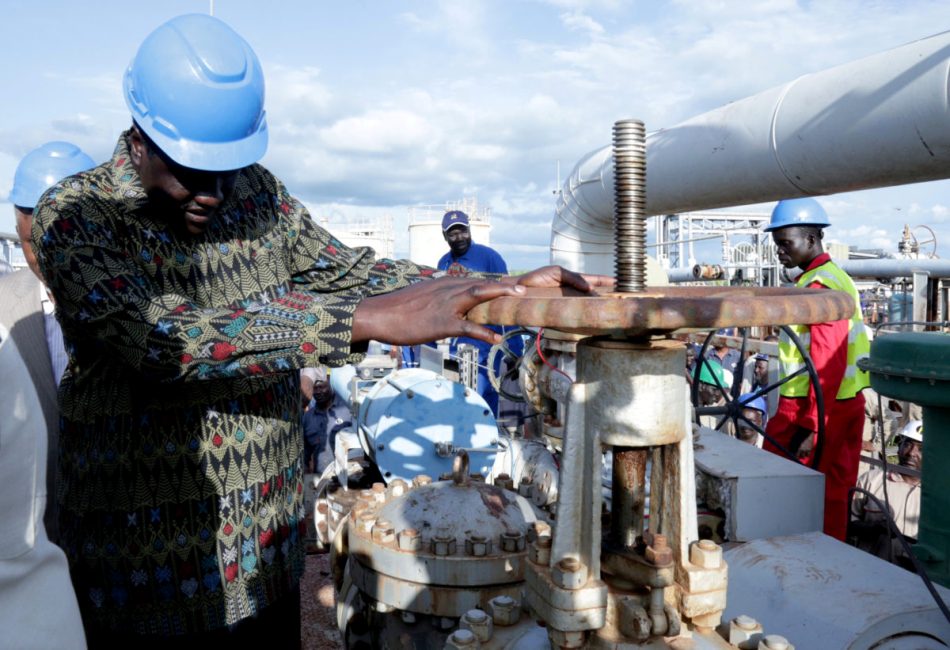
March 19, 2024 (JUBA) — The recent announcement of a force majeure on South Sudan’s crude oil exports by Sudan has raised concerns about the impact of ongoing military activity on the region’s economy. On February 10th, 2024, Sudan cited restricted access to oil operations as the reason for the force majeure declaration, which has disrupted the flow of crude oil from South Sudan.
The declaration, issued by Sudan’s Ministry of Energy and Petroleum on March 16, highlighted a “gelling incident” in the pipeline between pump stations 4 and 5. Due to the warfare in the area, operations have been severely hindered, making it impossible for operators to deliver the diesel required to heat the oil and prevent solidification. The low temperatures in the region have further exacerbated the situation.
In addition to the operational challenges caused by the war, communication issues have arisen as the Rapid Support Forces (RSF) have shut down telecommunications during military operations, making it difficult to contact Pump Station 4. This combination of factors has led to Sudan’s inability to fulfill its obligation to deliver South Sudan’s oil through the pipeline network to the export terminal, leading to the declaration of force majeure.
South Sudan’s economy heavily relies on revenue generated from the export of crude oil through Sudan. The disruption caused by the ongoing military activity raises concerns about the sustainability of these exports and has highlighted the vulnerability of the region’s oil infrastructure.
Further complicating the situation, a report from S&P Global Insights in February revealed that the Dar Petroleum Oil Company (DPOC) declared force majeure due to a ruptured pipeline in Khartoum, adding to the challenges faced by South Sudan’s oil sector. The damaged pipeline and infrastructure, coupled with the ongoing conflict between Sudanese armed forces and the RSF, have severely impacted South Sudan’s ability to export oil through Sudan’s infrastructure.
The war has also taken a toll on Sudan’s oil infrastructure, including the Al-Jaili refinery, further jeopardizing South Sudan’s oil exports. South Sudan’s Information Minister, Michael Makuei Lueth, highlighted the challenges faced in transporting oil through the pipelines to Sudan, with some pipelines experiencing a “gelling process” that makes restarts difficult.
Even if the oil manages to reach Port Sudan for export, additional challenges exist. Lueth raised concerns about potential attacks by Yemen’s Houthi rebels in the Red Sea, which could disrupt the shipment of oil for sale.
The situation in the region remains precarious, with the disruption of oil exports posing a threat to the stability of East Africa. Efforts to resolve the conflict and restore stability to the region are crucial to safeguarding the economic interests of South Sudan and Sudan.
Read the original article on Sudan Tribune


