By Africa Links 24
Published on 2024-04-03 07:07:51
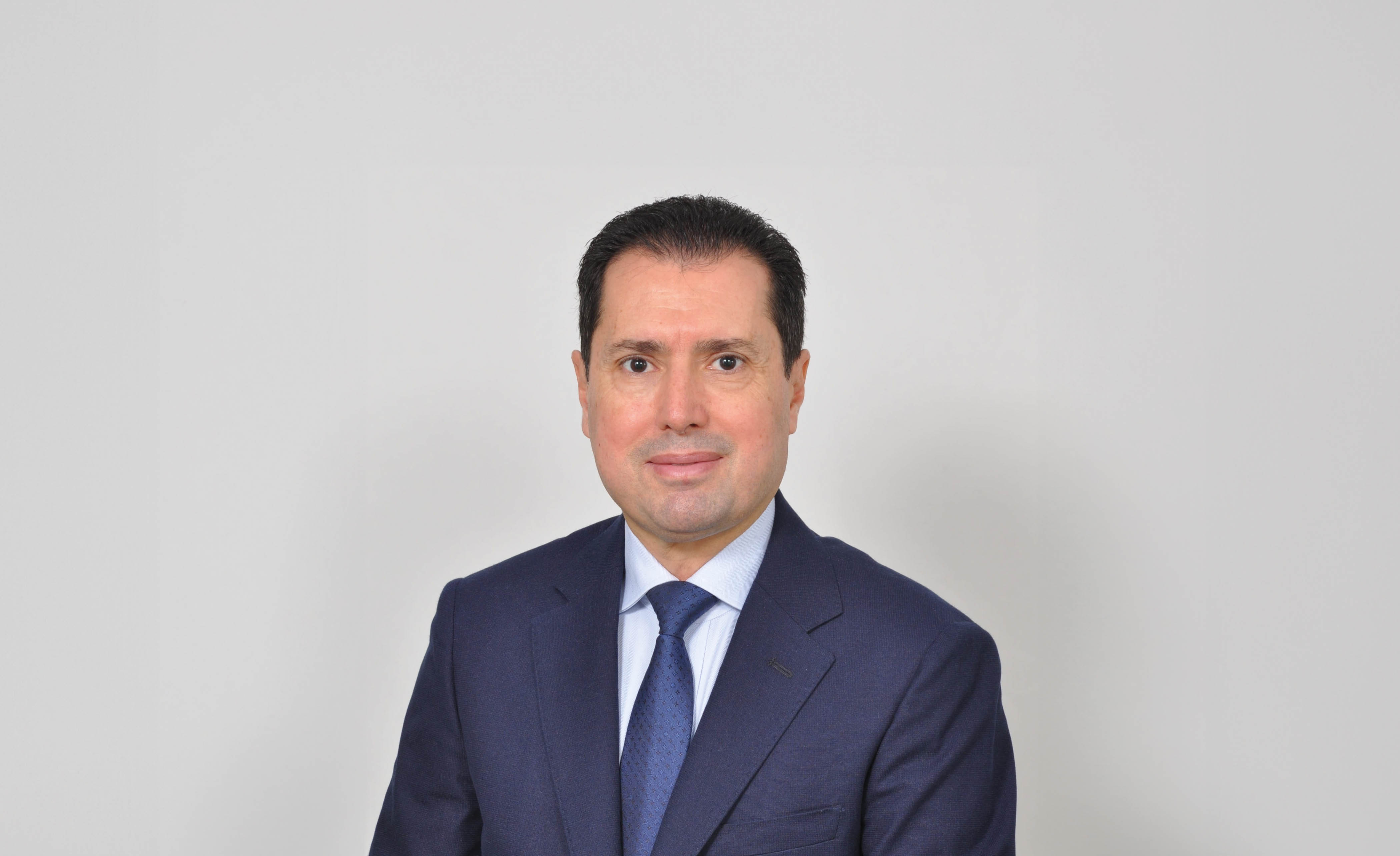
Djibouti’s sovereign wealth fund, known as Fonds Souverain de Djibouti (FSD), is gearing up to expand its investments beyond ports and military infrastructure. Slim Feriani, the CEO of the Sovereign Wealth Fund of Djibouti, expressed this sentiment in an interview with CNBC’s Closing Bell East Africa. As Djibouti prepares to host the inaugural Djibouti Forum, themed “Gateway of Opportunities,” the FSD sees this as a prime opportunity to collaborate with potential investors not only in Djibouti but also across Africa.
Established to spur investments and complement existing foreign direct investment tools and policies, the young sovereign wealth fund is eager to play a pivotal role in diversifying and accelerating economic growth in Djibouti. Taking inspiration from successful sovereign investment funds like the Government of Singapore Investment Corporation and Temasek, the FSD is open to partnering with international investors on various debt and equity investments spanning multiple sectors.
The upcoming Djibouti Forum will serve as a platform to foster cooperation and explore investment opportunities in key sectors such as tourism, energy, financial markets, technology, and data centers. The event aims to bring together institutional investors, development finance institutions, private investors, and government representatives to discuss potential partnerships and collaborations.
Feriani emphasized the fund’s commitment to being actively involved in investments through equity and debt, with a focus on long-term partnerships with reputable companies and investors. Noteworthy participants include Africa50, the International Finance Corporation (IFC), wealth funds, and institutional investors, reflecting a diverse mix of stakeholders interested in Djibouti’s economic potential.
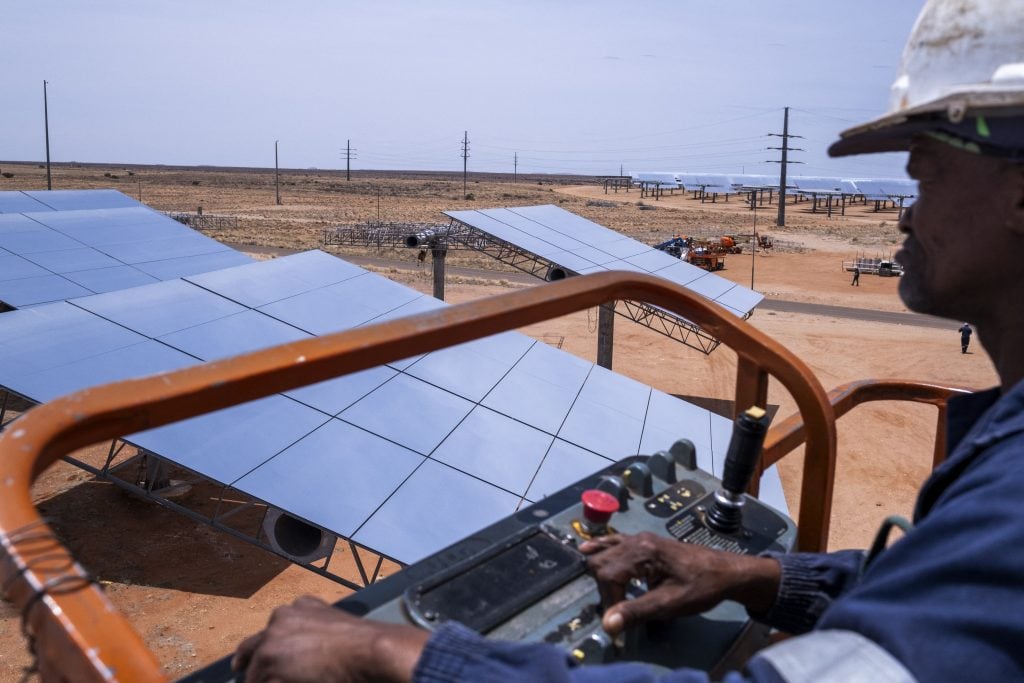
In terms of investment targets, Djibouti has identified opportunities in the hospitality sector, particularly the need for 10 to 15 new hotels within the next decade. Additionally, under President Ismaïl Omar Guellé’s Vision 2035, the country aims to achieve energy self-sufficiency through renewable sources. Djibouti is already making strides in wind, solar, and potentially geothermal and waste-to-energy projects.
The development of Djibouti as an internet and technology hub is another key focus area. The Djibouti Data Centre, a leading carrier-neutral facility in East Africa, underscores Djibouti’s potential as a connectivity and digital hub. The country’s strategic location with multiple subsea cables landing in Djibouti positions it as a gateway for enhanced connectivity between Europe, the Middle East, Asia Pacific, and Africa.
In light of recent cable damage incidents affecting internet connectivity in East and West Africa, Djibouti’s secure cable sites and robust infrastructure offer a reliable solution for safeguarding critical communication networks. The presence of six international military bases, including those of the US and China, underscores Djibouti’s strategic importance and stability in the region.
Djibouti’s status as a major trading hub, supported by efficient port operations and a stable currency pegged to the US dollar, further solidifies its attractiveness to investors. The Port of Djibouti’s efficiency, serving Ethiopia and facilitating trade with the subregion, Gulf states, and Europe, underscores the country’s position as a key player in the region’s trade ecosystem.
As the Djibouti Forum approaches, the country is eager to showcase its strengths and potential to investors worldwide. By bridging the gap between perception and reality, Djibouti aims to demonstrate its value as an investment destination and contribute to Africa’s economic growth trajectory. The Djibouti Forum presents a unique opportunity for stakeholders to collaborate, innovate, and drive sustainable development in Djibouti and beyond.