Rédaction Africa Links 24 with umajulius
Published on 2024-04-01 09:52:47
On March 31, 2024, South Sudan made a significant announcement regarding immediate measures to stabilize the exchange market in the country. The statement highlighted the rising consumer prices and the decreasing availability of basic commodities, typically imported from neighboring countries.
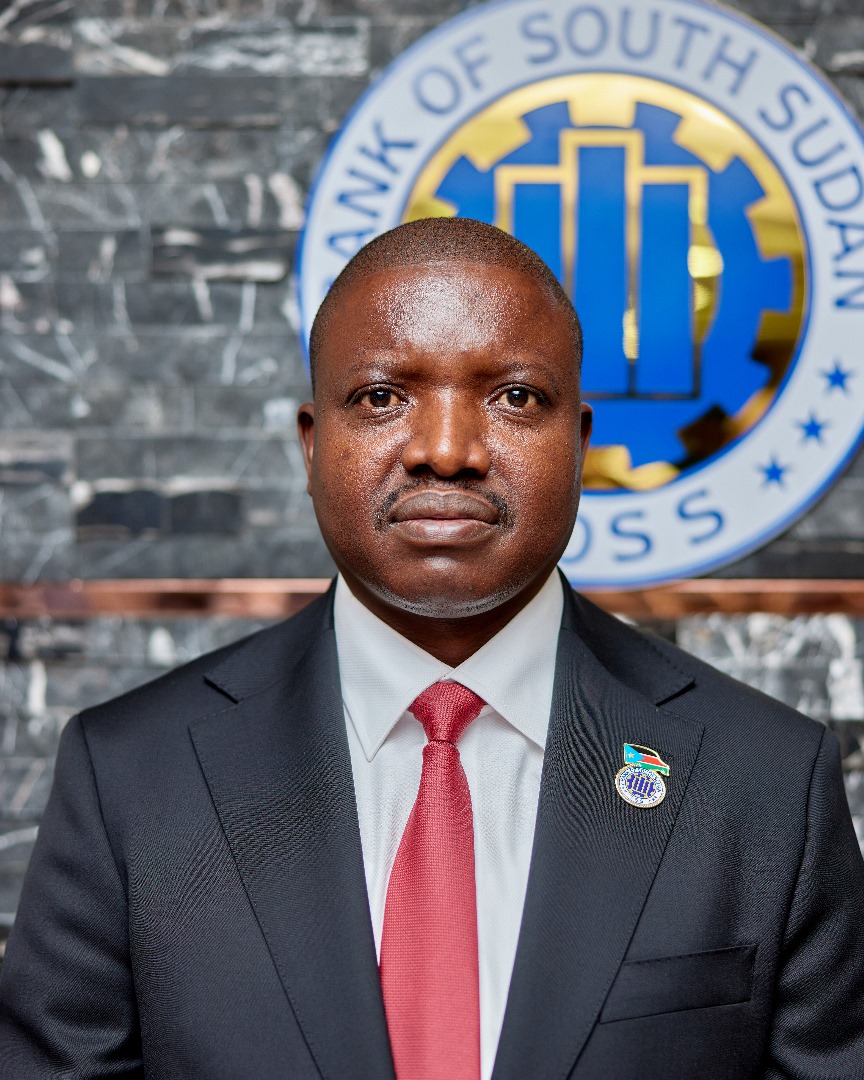
James Alic Garang, the governor of the Central Bank of South Sudan, issued a statement on March 29, 2024, stating that the bank, along with the Ministry of Finance and other relevant institutions, is closely monitoring the foreign exchange market. Garang mentioned that proactive measures have been taken, including mobilizing sufficient foreign exchange resources to intervene in the market promptly. One of the immediate actions taken was clearing outstanding auction claims and collaborating with the Ministry of Finance to pay one-month salaries for various government sectors.
Additionally, interventions in monetary policy rates were implemented to enhance the purchasing power of the local currency through weekly foreign exchange actions at a revised preferred rate. The bank also aims to promote transparency, maintain market orderliness, and enhance regulatory oversight.
The statement emphasized the collaboration between the Central Bank of South Sudan, the Ministry of Finance and Planning, and other economic entities to create a resilient and competitive foreign exchange market for sustainable economic growth. The public was encouraged to adopt electronic payment systems to reduce the amount of cash outside the banking system. Experts in economics and finance commended the central bank’s efforts to communicate openly with the public, fostering transparency and accountability.
The new approach taken by the central bank garnered mixed reactions. Some viewed it as a sign of the bank’s lack of hard currency, while others interpreted it as an attempt to compete with the black market for foreign currency. Monetary experts saw the shift in monetary policy as a move towards partial floating, with the goal of driving economic activities towards the official market.
The unification of various central bank exchange rates under the official market bulletin simplified monetary procedures. However, concerns were raised about economic management based on practices such as oligopoly, extortion, looting, and theft, hindering economic progress. Without genuine determination and concrete actions from those in power, the central bank’s efforts to stabilize the South Sudanese pound may not succeed, leading to continued reliance on black market exchange rates.
In conclusion, South Sudan’s central bank’s recent policy changes aim to address the challenges in the exchange market and promote economic stability. Collaboration with government entities and the public’s adoption of electronic payment systems are essential steps towards a competitive and transparent foreign exchange market for sustainable economic growth and development.
Read the original article on Sudan Tribune