Rédaction Africa Links 24 with umajulius
Published on 2024-03-13 08:31:38
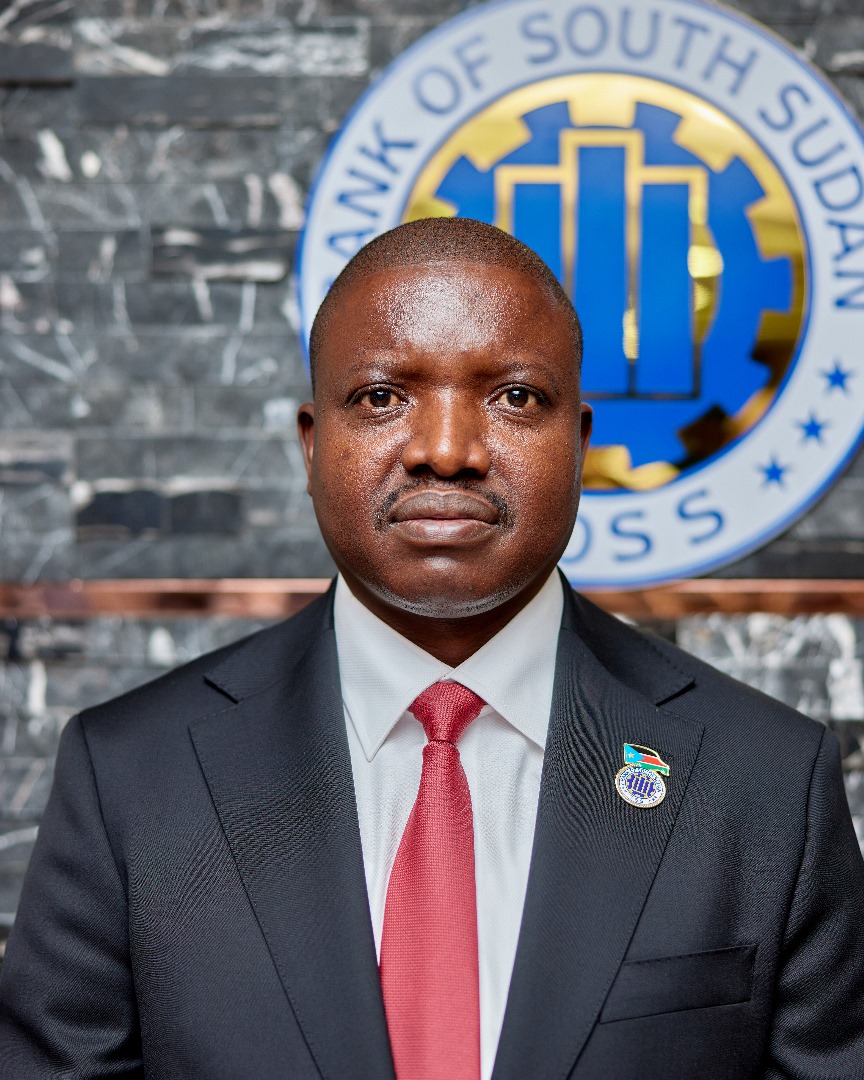
On March 12, 2024, the Central Bank of South Sudan unveiled new measures to address hoarding in an effort to control the exchange rate amidst rising consumer prices. The country is currently facing a multitude of challenges, including economic, security, and the shaky implementation of the 2018 peace agreement.
In a statement released by the Directorate of Communications, it was revealed that the Central Bank’s leadership had agreed upon these measures. The aim of the measures is to encourage both the public and private businesses to utilize existing banking and financial institutions for cash deposits. The statement highlighted that over 80 percent of the currency in circulation is held outside the banking system, posing a significant challenge to the implementation of monetary policy.
The public, commercial entities, and private businesses were urged to use banks for cash deposits and avoid hoarding currency outside of the banking system. Commercial banks were directed to simplify the process of accepting deposits from the public and create an environment conducive to implementing these measures. Additionally, the public and small businesses were encouraged to utilize digital money platforms provided by licensed mobile operators for transactions and payments.
The Central Bank also stated that it would work closely with law enforcement agencies to identify currency hoarders and take necessary actions to deter such behavior. City council authorities were tasked with enforcing these directives in collaboration with the bank.
Policy analysts with expertise in banking and finance welcomed these directives, emphasizing the risks associated with keeping money outside the banking system and its negative impact on monetary circulation. Hoarding is seen as detrimental as it limits the use of commodities in the economy, hindering firms from producing more goods and products.
South Sudan has been facing challenges since 2013 when political disagreements within the ruling Sudan People’s Liberation Movement (SPLM) escalated into a violent conflict, leading to instability. Despite signing fragile peace agreements in 2015 and revitalizing them in 2018, key provisions remain unimplemented, leaving foreign investors uncertain about the future of their investments.
The reliance on hard currency, particularly United States dollars, for transactions by foreign businesses has raised concerns about the potential consequences of a sharp decline in the local currency. If wealthy individuals hoard dollars, it could lead to price increases, causing middle-class merchants to withhold supplies in anticipation of further price hikes, potentially creating shortages and driving up consumer prices.
Many fear that if the cycle continues unchecked, the country could face food shortages and further economic challenges. It is essential for the Central Bank and relevant authorities to work together to address hoarding and stabilize the exchange rate to ensure the economic stability of South Sudan.
Read the original article on Sudan Tribune