Rédaction Africa Links 24 with umajulius
Published on 2024-03-11 08:20:31
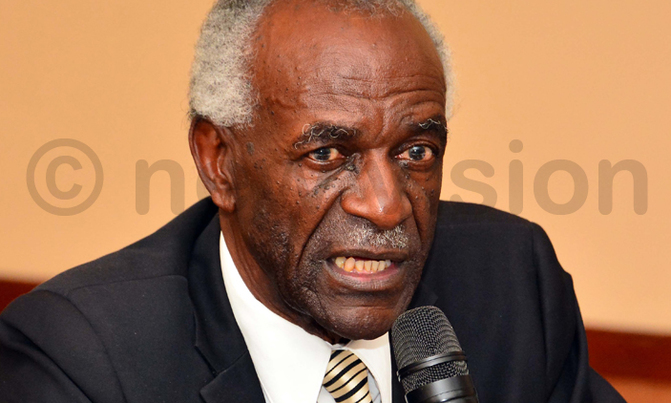
The Judicial Reform Committee (JRC) in South Sudan is working towards establishing a proper judicial system in the country, as revealed by James Ogoola, the chairperson of the committee. During a consultative meeting held in Juba on Saturday, Ogoola emphasized the need for an efficient and effective judiciary that provides access to justice for all court users.
The goal for South Sudan’s judiciary is to function without fear or favor, equipped with the necessary tools to meet the challenges of a post-conflict society. The JRC, tasked with evaluating the functionality of the judicial system based on the 2018 peace deal, will present its findings to the Revitalized Transitional Government of National Unity (R-TGoNU).
Justice and Constitutional Affairs minister Ruben Madol Arol highlighted the financial challenges facing the judiciary in addressing backlogs of cases. While acknowledging the cooperation between police, prosecutors, and judges in tackling the backlog, Madol stressed the need for increased commitment and resources to improve the system’s efficiency.
Madol pointed out that underfunding has hampered the effectiveness of the judiciary, particularly highlighting the need for funds to support the establishment of mobile courts. These courts would enable judges, prosecutors, and police to reach areas in need of their services, expediting the delivery of justice.
In order to address the backlog of cases, Madol outlined the importance of a coordinated plan involving the Judicial Service Commission to secure resources for judges to fulfill their responsibilities. The minister stressed the necessity of expediting justice and emphasized the need for a proactive approach to resolving the backlog.
The establishment of a functional judicial system in South Sudan is crucial for promoting the rule of law and ensuring access to justice for all citizens. With the support of the JRC and government officials like Ruben Madol Arol, efforts are being made to enhance the judiciary’s capacity and effectiveness in post-conflict South Sudan.
Overall, the commitment to reform the judicial system and address challenges facing the judiciary demonstrates a positive step towards strengthening the rule of law and promoting justice in South Sudan. By addressing issues such as case backlogs and funding shortages, the country can move towards a more efficient and equitable legal system that serves the needs of its people.
Read the original article on Sudan Tribune


