Rédaction Africa Links 24 with umajulius
Published on 2024-04-08 06:32:48
On April 7, 2024, the Central Bank of South Sudan took a significant step in the regulation of foreign currency trading by implementing measures to crack down on illegal dealings in the market. This move was seen as crucial in addressing the economic challenges facing the country, which have largely been attributed to disruptions in the flow of oil due to the ongoing war in Sudan.
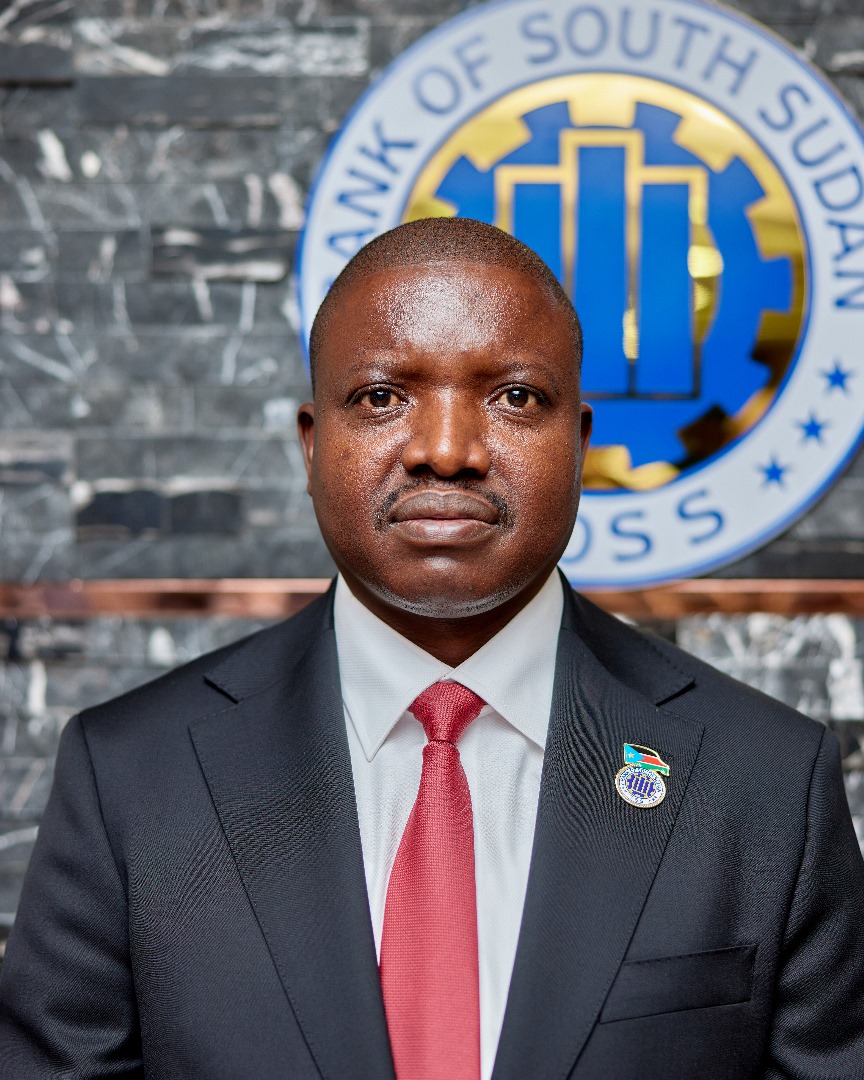
During a news conference in Juba, Central Bank Governor James Alic Garang emphasized the importance of ensuring that all foreign currency transactions are conducted legally. He highlighted the necessity for individuals and businesses to obtain licenses from the Central Bank before engaging in any buying or selling of foreign currencies. Garang pointed out that it was now illegal to sell foreign currency in South Sudan without the proper authorization and that anyone found doing so would be in violation of the law.
Garang specified that selling or buying foreign currencies without the knowledge of the Central Bank and other relevant institutions would be considered illegal. He mentioned specific locations such as marketplaces and supermarkets where unauthorized transactions were taking place and urged all individuals involved to cease these activities immediately. Garang also emphasized the importance of displaying selling rates and buying rates transparently to ensure compliance with the regulations.
The Central Bank’s statement highlighted the completion of phases aimed at eradicating illegal foreign exchange trading in the country. The final phase, Phase IV, began on April 8, 2024, with a focus on enforcing the regulations more rigorously. Law enforcement agencies and municipal officials were instructed to take action against those engaging in illegal foreign currency trading on the streets of Juba and across the country.
The Central Bank cited the Foreign Exchange Business Act 2012 and the Anti-Money Laundering and Counter-terrorism Act 2012 as the legal basis for cracking down on illegal activities in the foreign exchange market. The Bank emphasized the need for all informal foreign exchange dealers to obtain licenses and adhere to the policy directive without exception, calling on law enforcement agencies to ensure compliance.
Furthermore, the Central Bank mandated that all authorized dealers must display buying and selling rates in their designated areas of operation. Currency traders were instructed to maintain a small variability between buying and selling rates to align with the bank’s reference rate. The statement also called on stakeholders, including the public, law enforcement agencies, and partners, to cooperate in upholding the policy directive respectfully.
In conclusion, the Central Bank’s efforts to regulate foreign currency trading in South Sudan are aimed at promoting transparency, accountability, and compliance with the law. By cracking down on illegal activities and enforcing regulations, the Bank seeks to stabilize the foreign exchange market and address economic challenges facing the country. It is essential for all individuals and businesses involved in foreign currency trading to adhere to the legal requirements set forth by the Central Bank to ensure a fair and regulated foreign exchange market in South Sudan.
Read the original article on Sudan Tribune


