Rédaction Africa Links 24 with umajulius
Published on 2024-03-17 07:02:57
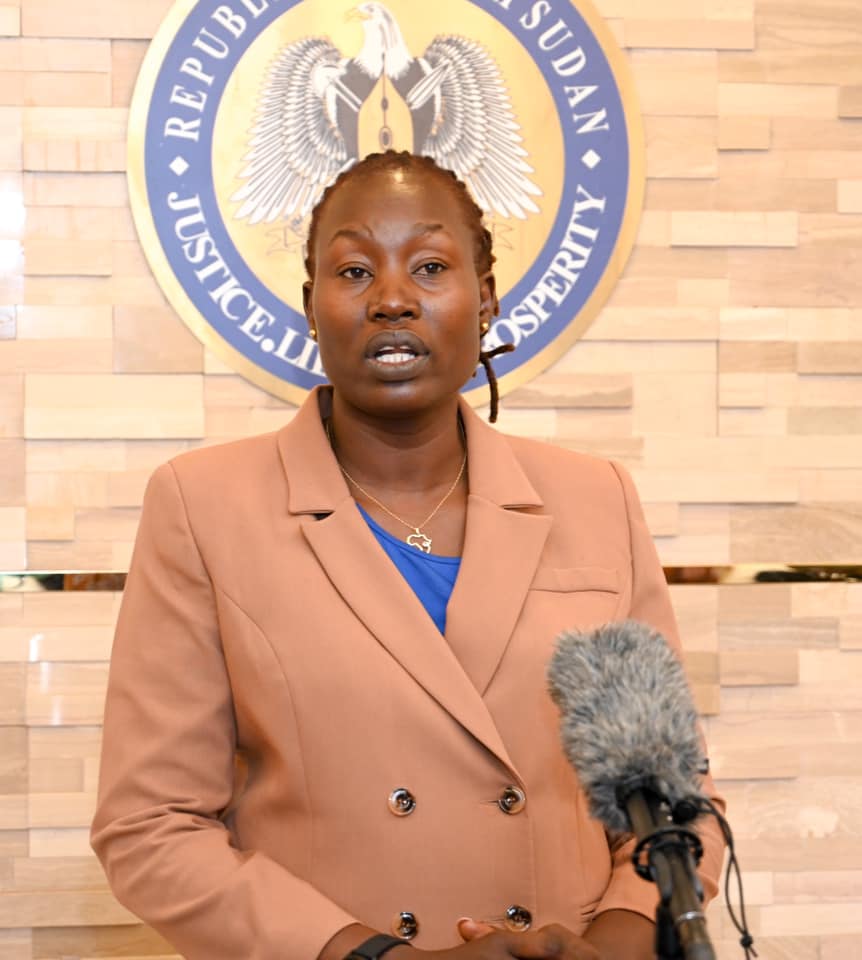
South Sudan has made the decision to indefinitely close all schools due to a serious heatwave that has been affecting the country with extremely high temperatures. The announcement was made by Health Minister Yolanda Awel Deng on March 16, 2024, in Juba. The temperatures have been forecasted to range between 41 and 45 degrees Celsius, and it is expected that the heatwave may last for up to two weeks.
In light of this situation, the government has taken several measures to ensure the safety and well-being of the population. Along with the closure of schools starting from March 18, parents have been advised to prevent their children from playing outdoors for extended periods of time. They are also urged to monitor their children, particularly the young ones, for any signs of heat exhaustion or heatstroke.
Health Minister Awel emphasized the serious impacts that heatwaves can have on a large population in a short period of time. These can trigger public health emergencies, lead to excess mortality, and have a ripple effect on the economy by causing a loss of work capacity and labor productivity. Moreover, the country may also face challenges in delivering health services effectively during such extreme weather conditions.
The Ministry of Environment has also played a key role in addressing the issue of climate change, which is a global phenomenon affecting South Sudan as well. Undersecretary Joseph Africano Bartel highlighted the importance of taking precautions against rising heatwaves and emphasized the need for developed countries to reduce emissions to mitigate the impacts of climate change.
According to the World Meteorological Organization (WMO), a heatwave is characterized by an accumulation of excess heat over several unusually hot days and nights. The intensified risks associated with heatwaves include health-related issues, economic losses such as droughts and water shortages, challenges in wildlife conservation, power shortages, and agricultural losses.
In response to the current situation, the disease surveillance department at the national Health ministry has implemented a monitoring system to detect and respond to cases related to heat-related illnesses and deaths. There have already been reported cases of deaths attributed to the excessive heat in South Sudan, indicating the severity of the situation.
In conclusion, the government has taken proactive measures to safeguard the population during this extreme heatwave, and it is crucial for the public to heed the advice provided by health and environment authorities. By staying informed and taking necessary precautions, individuals can protect themselves and their families from the adverse effects of heatwaves and contribute to building a resilient and adaptive community in the face of climate change challenges.
Read the original article on Sudan Tribune