By Rédaction Africa Links 24 with sabcnews.com
Published on 2024-01-20 18:18:08
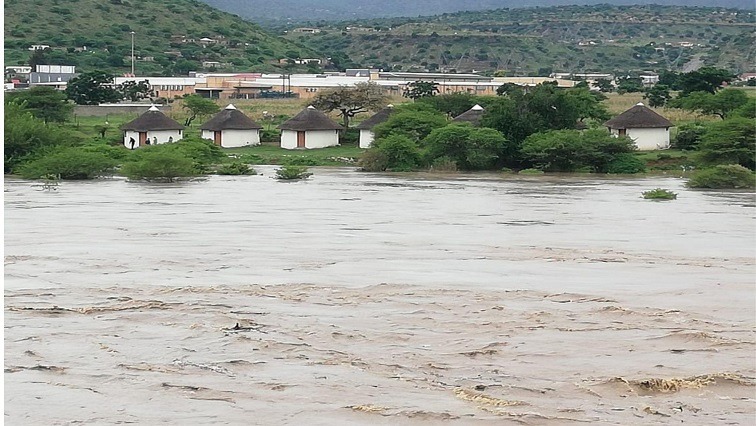
The recent devastating floods in KwaZulu-Natal, South Africa serve as a stark reminder that the country is not adequately incorporating risk assessment and management into its urban planning. With the increasing frequency of floods, it has become urgent for South Africa to integrate these practices into the design and development of its cities. Many of these cities were built before the predictions of climate change, leaving them vulnerable to the impact of natural disasters. The lack of resilience in these cities has been evident in the recent floods, resulting in significant loss of life and infrastructure damage.
It is crucial for South Africa to adopt a risk-informed urban planning approach, which aims to create resilient cities capable of withstanding and adapting to various hazards and challenges, including natural disasters and climate change. The failure to do so has led to severe flooding and landslides, causing the deaths of hundreds of people and displacing thousands more. The cost of infrastructure and business losses has amounted to billions of dollars, making it clear that the current approach to urban planning and climate change adaptation is inadequate.
Climate change has been identified as a significant factor contributing to the occurrence of severe flooding, with increased rainfall and drastic shifts in weather patterns being attributed to the concentration of carbon emissions in the atmosphere. South Africa’s failure to implement risk-informed urban planning measures, such as maintaining drainage systems and implementing flood control measures, has exacerbated the impact of heavy rainfall and flooding events. Inadequate waste collection and disposal of garbage has also contributed to the worsening impact of heavy rainfall, as poor drainage systems are clogged with plastic pollution.
To address these challenges, South Africa urgently needs to prioritize the integration of risk-informed urban planning and climate change adaptation strategies. This includes engaging local communities in decision-making around urban planning and climate change mitigation, recognizing local knowledge, and encouraging innovative solutions suitable for the area. The establishment of compact, walkable neighborhoods, mixed-use development, and the preservation of green spaces in city zoning and land-use regulations is essential to mitigate the impact of flooding. Additionally, water-sensitive urban design, the establishment of parks and urban forests, and the preservation of wetlands, riparian zones, and forests can help reduce the impact of flooding and enhance the resilience of cities.
It is also crucial for the authorities to develop an efficient network of stormwater drains, sewers, and retention ponds, as well as to prioritize public awareness and education campaigns on the importance of flood-resistant measures. By collaborating with other cities that have successfully managed natural disasters, South Africa can learn from their experiences and adopt effective strategies to enhance its resilience to the impacts of climate change.
Read the original article on SABC-News


