By Rédaction Africa Links 24 with sabcnews.com
Published on 2024-01-18 06:05:11
The World Health Organization is expressing concern about the escalating risk of famine and disease outbreaks in Gaza, and is calling for a significant increase in the flow of humanitarian aid into the region. Qatar and France have successfully facilitated an agreement between Hamas and Israel that will allow essential medication to be delivered to around 45 hostages held in Gaza, in exchange for greater humanitarian and medical aid reaching the most vulnerable citizens in the area.
French President Emmanuel Macron has announced that urgent medical aid, including medication and other humanitarian supplies, will be sent to Gaza through Egypt’s Rafah border crossing. Macron stated that France previously collaborated with Jordan to provide food rations to the Gaza Strip, and that efforts were underway to deliver medications with the help of Qatar and other regional partners. This humanitarian endeavor aims to bring essential assistance to the most at-risk areas of Gaza.
Qatar has emphasized that the organized agreement regarding medical aid is part of broader efforts to work towards ending the conflict in Gaza. The release of over 130 hostages has been welcomed by both sides of the conflict, and the White House has indicated that discussions are ongoing to further build on this progress and reach another deal.
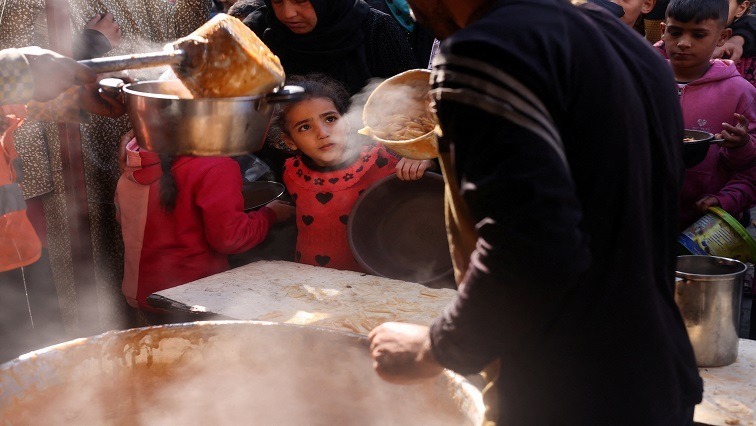
The UN Secretary-General has warned of the looming threat of starvation and other health risks in Gaza, and has called for the opening of more humanitarian routes, increased truck access through border checks, and improved safety conditions for humanitarian workers. The collapse of the health system, lack of access to medical supplies, and deteriorating living conditions in communities are creating a severe humanitarian crisis in Gaza. The World Food Programme has highlighted the logistical challenges of delivering aid, as the region has become a logistical nightmare for aid deliveries.
The latest report on food security and nutrition levels in Gaza revealed that the entire population of roughly 2.2 million is facing extreme food insecurity, which is further worsening health outcomes in the area. The WHO has stressed the urgent need for greater access to both humanitarian aid and humanitarian workers to prevent a disastrous combination of hunger, malnutrition, and disease from further increasing the Palestinian death toll in this ongoing conflict.
Read the original article on SABC-News