Rédaction Africa Links 24 with Sue Segar
Published on 2024-03-28 09:24:27
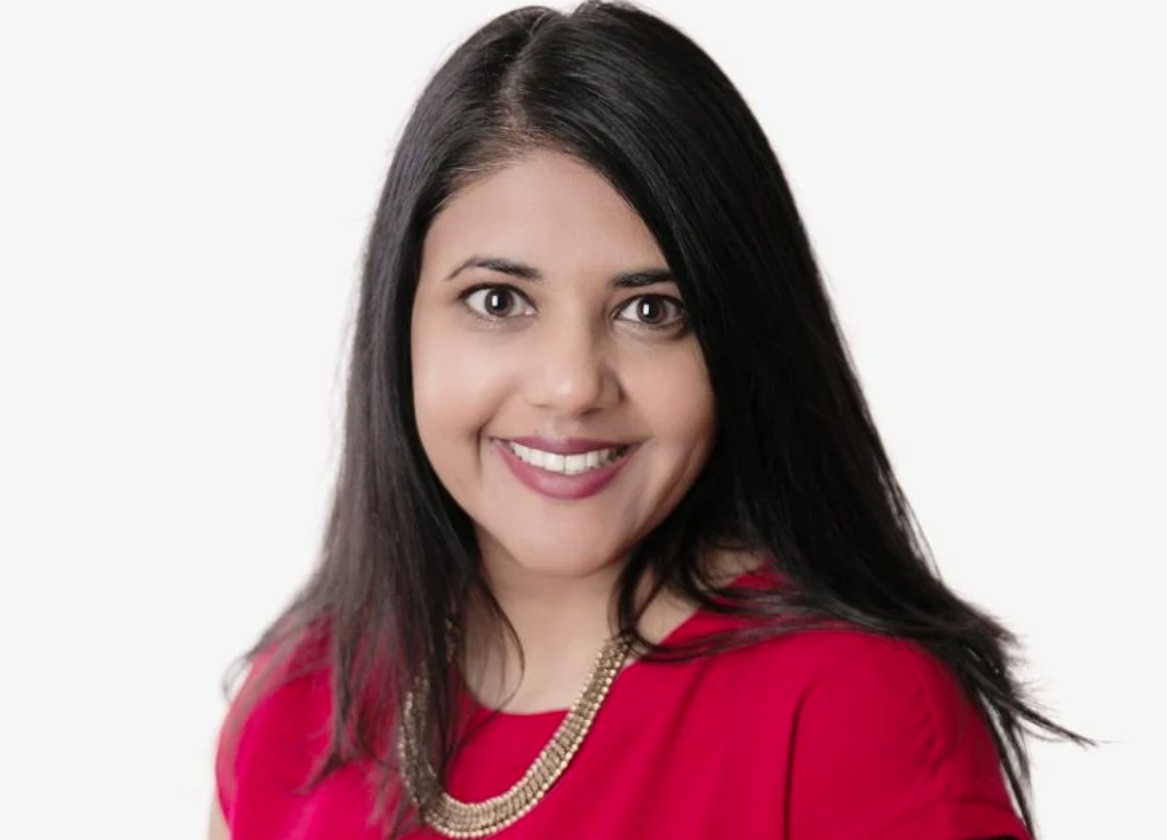
Child and adolescent mental health in South Africa is facing a crisis, with less than 40 registered child psychiatrists in the country, according to Dr. Anusha Lachman, the first child psychiatrist to be president of the SA Society of Psychiatrists (Sasop). She is determined to bring more focus and resources to this neglected field, which was also highlighted in the 2020/2021 edition of the Children’s Institute’s Child Gauge report.
One of the major challenges in child and adolescent psychiatry identified by Lachman is the lack of reliable data. While most research is focused on high-income settings, she aims to understand infant mental health in the African context and in limited-resource settings where data is scarce. The absence of a collective database in South Africa further complicates the situation, making it difficult to accurately assess the number of young people suffering from mental health disorders.
The situation is evidenced by long waiting lists for children seeking mental health services and referrals to primary health care centers. Lachman’s work at Tygerberg Hospital in the Western Cape focuses on evaluating adolescents with complex psychiatric issues and severe mental illness, often compounded by a range of psychosocial challenges. These challenges include poverty, violence, substance abuse, and HIV, highlighting the need for comprehensive mental health services for young people.
In addition to the lack of data, Lachman also highlights the shortage of child psychiatrists in South Africa. The country has lost several professionals to other countries due to better working conditions and opportunities offered elsewhere. The training process for child psychiatrists is slow and limited by the number of universities that can provide the necessary training. This shortage of specialists is further exacerbated by the brain drain phenomenon, resulting in provinces with zero representation for child psychiatry.
To address these challenges, Lachman emphasizes the need for a more nuanced approach that includes upskilling, task shifting, and engaging a broader range of health professionals in child mental health care. She advocates for a more Afro-centric and culturally sensitive approach to psychiatric services, involving educators, community workers, caregivers, and allied health professionals in supporting children’s mental health.
Ultimately, Lachman believes that child and adolescent mental health should be everyone’s responsibility, not just that of specialized professionals. She calls for mental health awareness to be integrated into various sectors, including schools and primary health care settings, to ensure early detection and intervention for children in need. By expanding the focus on child mental health and involving a diverse range of stakeholders, South Africa can better address the growing mental health crisis among its youth.
Read the original article on Daily Maverick


