Rédaction Africa Links 24 with Ed Stoddard
Published on 2024-03-24 14:54:40
Last year marked a significant turning point in the energy transition, with 2023 being recorded as the hottest year to date. Two key trends in energy demand emerged, highlighting the rapidly changing landscape of the energy sector.
The first notable trend was the surge in orders for wind turbines. According to energy consultancy Wood Mackenzie, orders for wind turbines reached a record high in 2023, totaling 155 gigawatts (GW) procured for the year. This represented a substantial increase from the previous year, with both China and Western markets setting new records for order intake. The total annual investment in wind energy in 2023 was estimated at $83 billion, demonstrating the growing momentum behind renewable energy sources.
On a global scale, investment in the green energy transition soared by 17% in 2023, reaching almost $1.8 trillion, as reported by BloombergNEF. This surge in investment set a new record for the industry. Interestingly, coal also experienced a record year in 2023, defying predictions of its demise.
The International Energy Agency (IEA) projected that 2023 would mark the peak of coal demand, with a subsequent decline expected in the coming years. The IEA anticipates that global coal demand will drop in 2024 and remain relatively stable through 2026, even without significant policy changes to accelerate clean energy adoption.
The decline in coal demand is attributed to structural shifts in energy markets, driven by the expansion of clean energy technologies. Advanced economies are rapidly phasing out coal in favor of renewable sources, while some major emerging markets continue to rely on coal for economic growth despite commitments to increase renewable energy deployment.
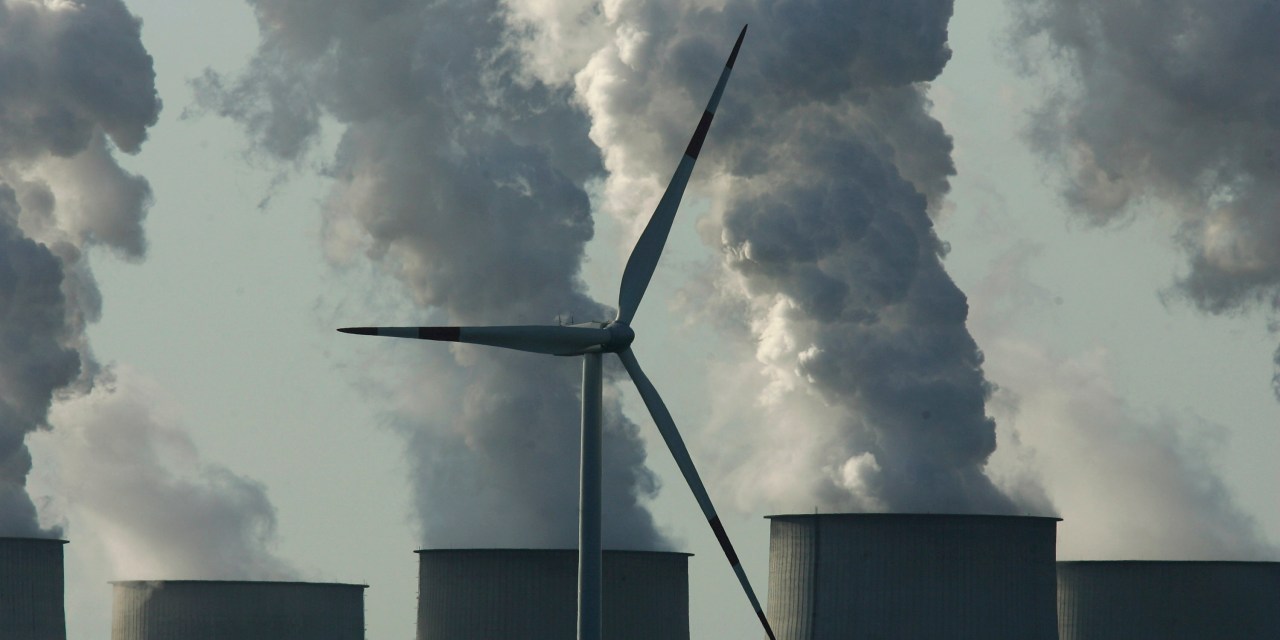
The rise of wind turbines and other renewable energy sources symbolizes a fundamental shift in the energy landscape. The transition away from coal is seen as irreversible, with global coal demand projected to continue its downward trajectory.
In South Africa, the coal industry has also been impacted by these global trends. Major coal producers reported lower earnings due to falling prices in 2023, but they remained financially stable and were able to reward shareholders. Companies like Thungela and Exxaro have embarked on diversification strategies, with a focus on renewable energy and other commodities.
Thungela acquired an Australian coal producer in 2023 to expand its geographical reach and reduce exposure to risks in South Africa. Exxaro, on the other hand, is shifting its commodity mix towards green metals such as copper, manganese, and lithium. Furthermore, the unlisted coal producer Seriti Resources has launched a renewable energy arm focused on wind power, reflecting a broader industry trend towards sustainable energy sources.
As the energy transition continues to gain momentum, coal-generated cash is being redirected towards shareholders, other commodities, and renewable energy projects. Financial institutions are increasingly hesitant to finance new coal projects, opting instead to support renewable energy initiatives. The events of 2023 may be remembered as a pivotal moment in the history of the energy transition, marking a significant shift towards cleaner and more sustainable energy sources.
Read the original article on Daily Maverick