Rédaction Africa Links 24 with Daily Maverick
Published on 2024-02-29 18:40:58
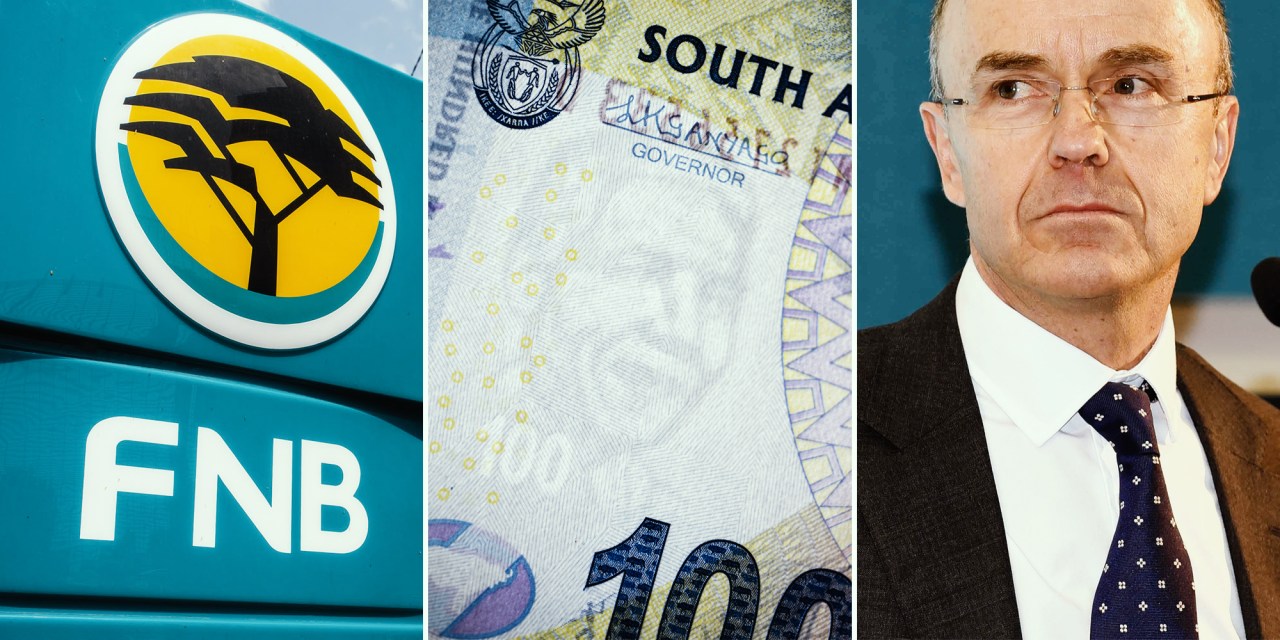
First National Bank (FNB) recently announced that they would absorb a hit of almost R1 billion in the current financial year due to fee reductions that were implemented to benefit their clients. This decision was made in response to below-inflation fee increases across both retail and commercial accounts in July 2023. Additionally, FNB reduced fees on instant payments and introduced PayShap, resulting in a 30% increase in real-time payment volumes and a cumulative R477 million reduction in customer fees in the first six months of the year.
The half-year results for FNB show that advances growth from the commercial segment increased by 10%, compared to a 14% increase at RMB and a 9% increase at FNB Broader Africa. This growth reflects a strategic focus on sectors with above-cycle growth potential, even in an environment of high inflation and interest rates. Normalised earnings for FNB increased by 6% to R19.1 billion, driven by strong growth in net interest income supported by advances and deposits totaling R1.6 trillion.
FNB also reported a credit loss ratio of 0.83%, well below the midpoint of their through-the-cycle range of 80 bps to 110 bps. This performance, in conjunction with strong deposit and transactional balance growth, enabled FNB to maintain a healthy return profile. Total group operating expenses increased by 9%, with costs growing below inflation for FNB but offset by significant increases at RMB and in the UK operations due to investment in platform and geographic expansion.
Looking ahead, FNB anticipates a challenging macroeconomic environment characterized by high interest rates and elevated inflation, which may impact advances and deposit growth in the second half of the financial year. Despite these challenges, the group expects to generate earnings similar to the first half and has declared an interim dividend of 200 cents per share, representing a payout of 59%.
On the other hand, Woolworths faced challenges in the first half of the financial year, with load shedding, port congestion, bird flu, and a taxi strike impacting operations. However, Woolworths Food delivered solid growth, with turnover and concession sales increasing by 8.4% and 7.2% on a comparable store basis. The fashion, beauty, and home segments also showed progress, with Beauty sales up 16%.
Woolworths CEO Roy Bagattini highlighted the success of their Beauty business, which has doubled in the last three years and aims to double again in the next two to three years. Despite difficulties in the apparel business, the southern Africa region saw operating profit grow by 10% year-on-year. Woolworths Financial Services (WFS) also showed growth, with an increase in new accounts and credit card advances, as well as a low impairment rate relative to the sector.
Looking forward, Woolworths expects continued challenges in the macroeconomic environment, with rising inflation and high interest rates affecting consumer spending. Despite these hurdles, Woolworths remains committed to driving growth and profitability across its various business segments. The company recognizes the importance of adapting to changing consumer preferences and market conditions to secure its position in a challenging retail landscape.
Read the original article on Daily Maverick


