Rédaction Africa Links 24 with Umamah Bakharia
Published on 2024-02-26 03:29:00
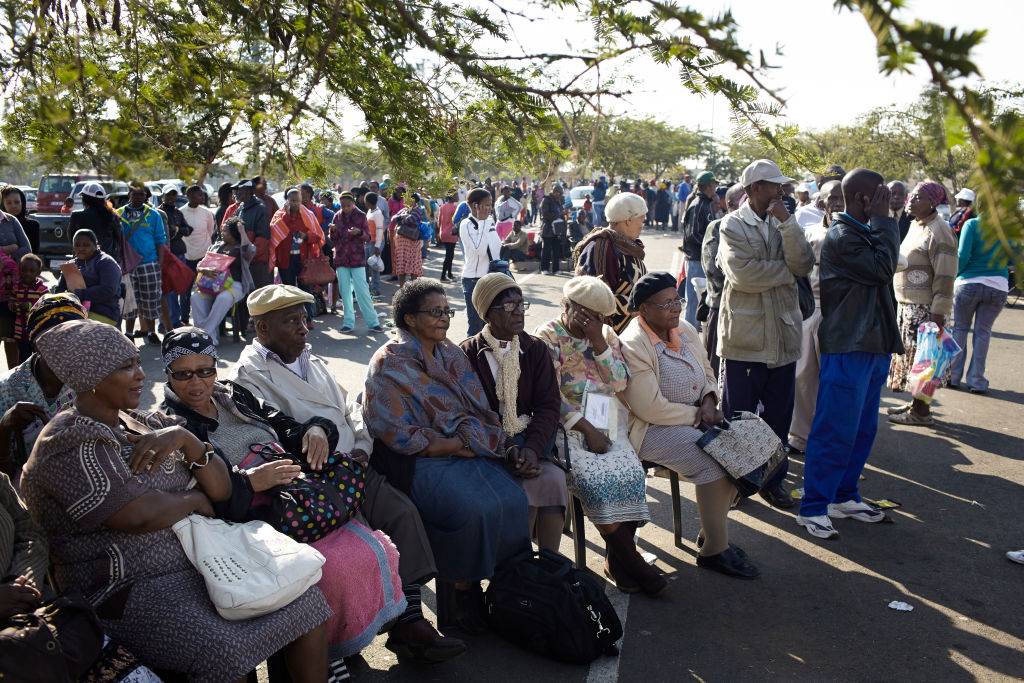
The University of Cape Town recently conducted a report that revealed the inadequacy of the older persons’ grant in South Africa. The grant, currently at R2 080 per person a month, is not sufficient for beneficiaries to make ends meet, according to the findings of the report. Elena Moore and other researchers from the Family Caregiving program conducted interviews with 30 families in rural KwaZulu-Natal and 50 in the Western Cape to understand how pensioner-headed households are managing on their grant.
The report highlighted that almost two-thirds of black grant beneficiaries live in households with five or more people, with an average household income of R5 729. However, the cost of a nutritious diet for a family of five is R4 459 per month, not including other essential expenses such as electricity, transport, or cleaning products.
The report also indicated that the average household monthly expenditure for people living on the grant is R2 438. This significant difference between household spending and the basic cost of necessities is a major concern, especially for older people who rely on the grant to meet their daily needs.
The report shared stories of individuals struggling to make ends meet with the grant. An 82-year-old woman from Lawley, south of Johannesburg, mentioned that supporting her two grandchildren leaves her with little to no money for medication. Statistics South Africa data from 2021 showed that most older people require chronic medication and access to healthcare facilities, with a significant percentage dealing with conditions like diabetes, hypertension, and arthritis.
In rural areas, households with eight to nine members are facing challenges in covering the costs of essentials like food, medicine, and transport to clinics. Lack of electricity and difficulty accessing water further add to the burden for older people in these areas. On the other hand, urban areas like Cape Town offer better access to basic services, health facilities, and smaller households which make it easier for older people to manage their expenses.
Despite the differences in urban and rural settings, the study found that families are still struggling due to inflation and often resort to high-interest loans to cope. This puts additional pressure on older people who are already facing financial constraints. The report suggested that the government should invest more in grants for older people to ensure they have access to basic care services like transportation for food purchases, access to Sassa pay points or offices, and access to clinics.
Overall, the findings of the report shed light on the challenges faced by older persons in South Africa who rely on the grant for their livelihood. It is crucial for policymakers to address the inadequacy of the grant to improve the quality of life for older people in the country.
Read the original article on Mail & Guardian