Rédaction Africa Links 24 with Nonkululeko Njilo
Published on 2024-04-07 12:07:29
The upcoming general elections in South Africa are causing a stir as some long-standing public representatives are making their way back into Parliament. These politicians have held various leadership roles since the country’s transition to democracy, raising concerns about their relevance and effectiveness.
The deadline for political parties to submit their candidate lists to the Independent Electoral Commission (IEC) was 8 March 2024. The public had until 27 March to review these lists and raise any objections. Among the prominent figures on the candidate lists are former president Jacob Zuma, Dr. Corné Mulder of the Freedom Front Plus, Bantu Holomisa of the UDM, Kenneth Meshoe of the ACDP, and Patricia de Lille of the Good party.
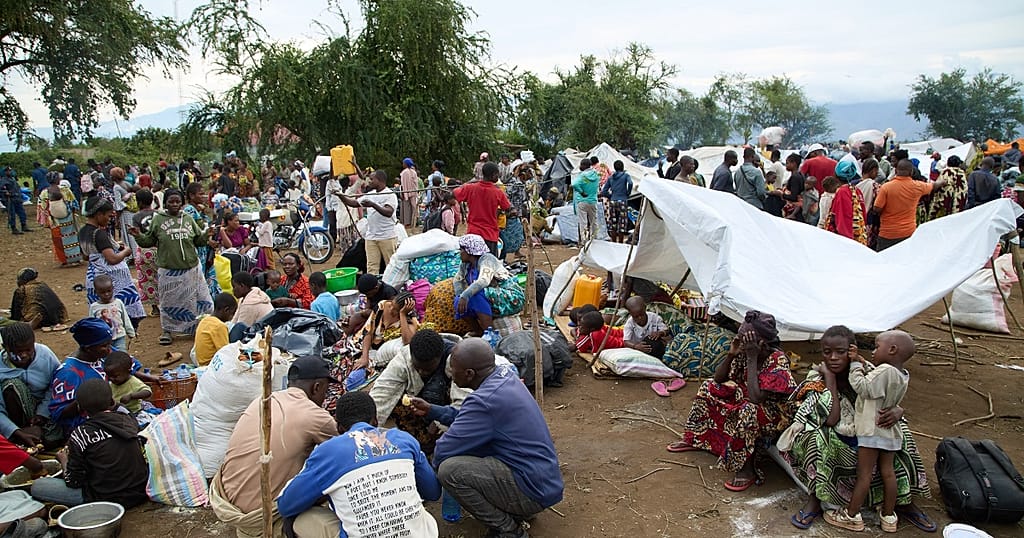
However, the residents of Diepkloof Hostel in Soweto, who live in dire conditions, expressed disillusionment with these political figures. They feel that these leaders have made empty promises and are more concerned with enriching themselves than addressing the needs of the poor. Sibongiseni Khoza, the chairperson of the community organization, lamented the leaders’ reluctance to let go of power.
Political analyst Dr. Ntsikelelo Breakfast also raised concerns about the prolonged tenure of some politicians, suggesting that they may have overstayed their welcome. He highlighted the double standards applied to politicians compared to other workers regarding retirement age.
Despite these criticisms, some of the senior politicians defended their positions. Kenneth Meshoe emphasized the importance of experience and value in Parliament, regardless of age. Jacob Zuma, despite facing legal challenges, remains a prominent figure in the upcoming elections. Bantu Holomisa stressed the significance of institutional knowledge and the need for a mix of experience and youthful energy in Parliament.
Corné Mulder, the longest-serving member of Parliament, advocated for a generational mix and highlighted the value of both experienced and younger voices in shaping the country’s future. Patricia de Lille, a key figure in the Good party, expressed a commitment to developing the next generation of leaders and addressing social injustices in South Africa.
Mosiuoa Lekota, the leader of Cope, called for a constitutional amendment to allow direct election of the president. Despite some of these leaders’ controversial histories and ongoing legal battles, they continue to play a significant role in shaping the country’s political landscape.
As South Africa prepares for the upcoming elections, the debate around the relevance and effectiveness of these long-standing public representatives continues. The need for a balance of experience, innovation, and accountability remains crucial in shaping the country’s future governance.
Read the original article on Daily Maverick