Rédaction Africa Links 24 with sabcnews.com
Published on 2024-01-29 18:52:08
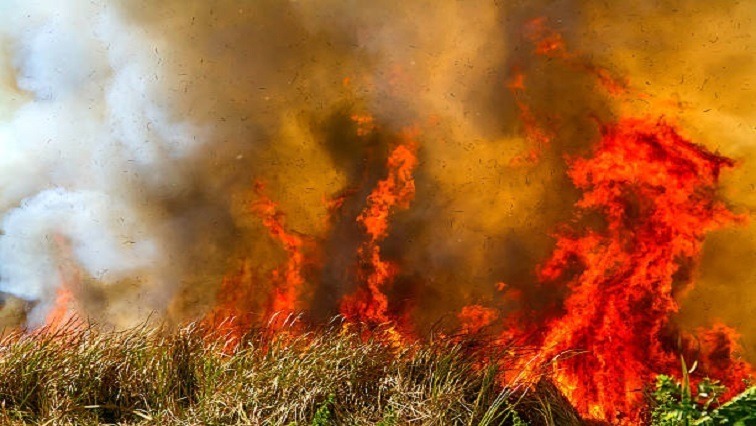
A week after a fire started in Wolseley in the Cape Winelands, the blaze continues to burn uncontrollably, spreading into the Bainskloof Pass toward Worcester due to strong winds. Firefighters from various municipalities, supported by helicopters, are battling the blaze which has already destroyed around 40 structures, including sheds. Thick smoke has engulfed the Slanghoek Valley, a popular tourism destination known for its picturesque vineyards and views, as well as the Bainskloof Pass, which is now closed to traffic.
The difficult terrain and limited accessibility have posed challenges for the firefighters, who have been working tirelessly day and night for a week to contain the blaze. Jaco Thuynsma, the incident commander, highlighted the importance of focusing on protecting lives, structures, and property before addressing the mountainous and fynbos areas affected by the fire.
So far, the fire has ravaged 20,000 hectares of mostly indigenous fynbos, which requires periodic fires for regeneration. However, the rare and ecologically sensitive Renosterveld in a nearby nature reserve is under threat. As climate change exacerbates weather conditions, provincial authorities emphasize the need for smart planning and the use of technology to mitigate the impact of wildfires.
Western Cape Premier Alan Winde emphasized the importance of analyzing the fire season, incorporating smarter technology, and using predictive technologies to preemptively address fire risks. He urged the public to heed warnings and safety precautions from legitimate sources such as local municipalities.
As the wildfires continue to rage across the Western Cape, the efforts of firefighters and conservationists remain critical in protecting the region’s vegetation. The situation underscores the need for proactive measures and the collaboration of various stakeholders to address the increasingly severe impact of climate change on wildfires.