By Rédaction Africa Links 24 with sabcnews.com
Published on 2024-01-18 05:30:22
According to Moroccan Water and Agriculture Ministers, six years of consecutive drought have caused the country’s dams to reach critical levels leading to a significant decrease in the amount of irrigated land. By mid-January, the average dam filling rate had declined to 23.2% from 31.5% the previous year. This dramatic decrease was attributed to a 70% reduction in rainfall compared to an average year. The second largest dam in the country, Al Masira, serving Casablanca, is on the verge of drying up.
The severity of the drought has prompted authorities to impose restrictions on the use of drinking water for purposes like cleaning streets or watering parks in urban areas. Additionally, the use of dam water for irrigation in certain key farming regions has been stopped. This sudden decision has come as a shock to many farmers in the Taroudant area, threatening this year’s harvest and the livelihood of countless farmers in the region.
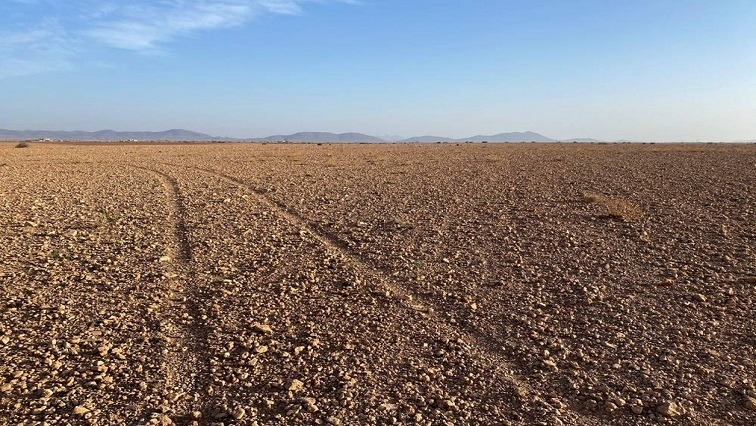
The effects of the drought are evident as wells have dried up, forcing farmers to dig as deep as 400 meters in search of water. As a result, the area of land being irrigated by dams has been reduced from 750,000 hectares to 400,000 hectares. Agriculture Minister Sadiki expressed concern over the critical condition of autumn crops and a significant decrease in the ploughed area for rain-fed cereals this year.
Furthermore, Morocco’s statistics agency has projected a below-average cereal harvest, leading to an increase in the import of wheat. To alleviate the water crisis, Morocco has planned the construction of new waterways, dams, and the development of eight desalination plants powered by renewable energy, with the aim of producing 1.3 billion cubic meters of fresh water by 2035.
Despite these initiatives, farmers like N’Ait Ali are worried that the measures may come too late to rescue their farms. The drought’s impact on agriculture and food production is a significant concern, and there are fears about the future of Morocco’s fresh produce supply to Europe. The current water crisis has raised urgent questions about the sustainability and resilience of Morocco’s agricultural sector in the face of climate change.
Read the original article on SABC-News