Rédaction Africa Links 24 with Marianne Merten
Published on 2024-04-03 21:41:47
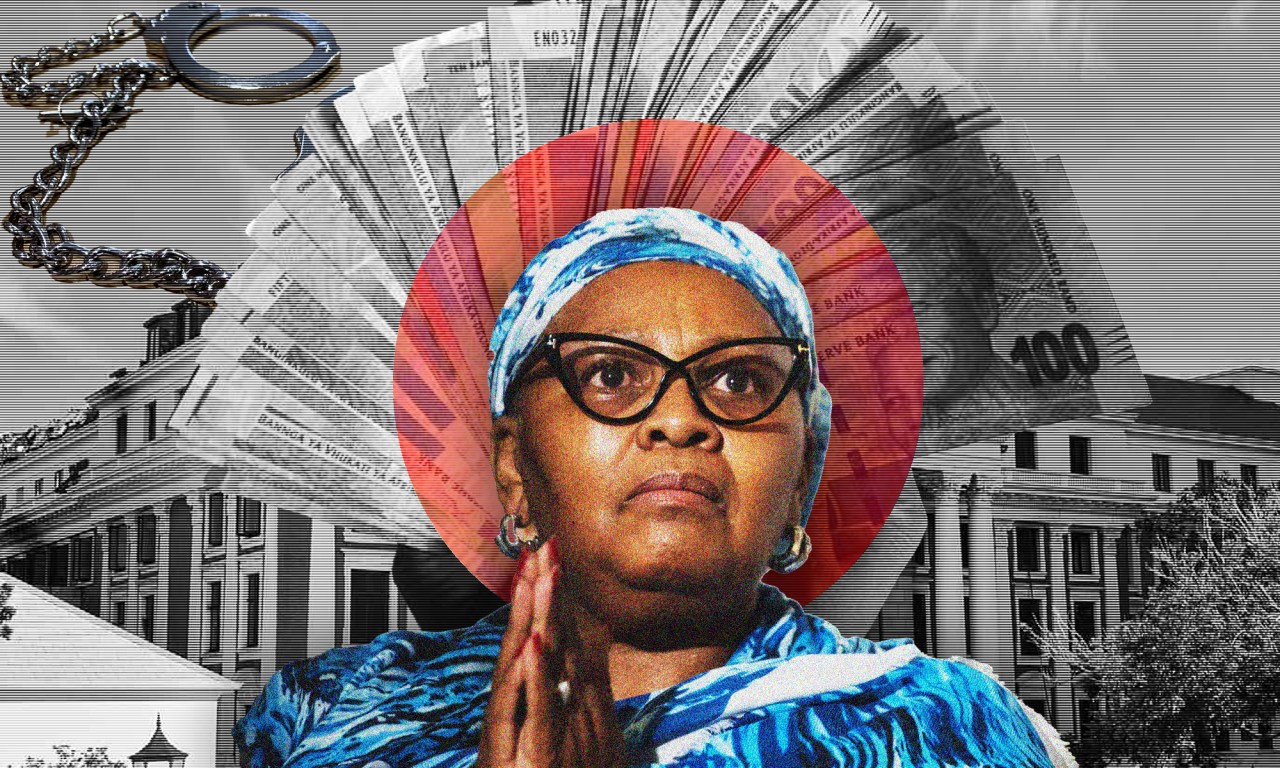
The recent resignation of the ex-National Assembly Speaker, Nosiviwe Mapisa-Nqakula, has had significant repercussions within the ANC party and the South African political landscape. By stepping down from her position, Mapisa-Nqakula has alleviated the ANC from the potential challenge of defending her in the DA’s motion of no confidence debate. Furthermore, her resignation has also nullified the complaint lodged with the parliamentary ethics committee regarding the corruption allegations against her.
In her official resignation statement, Mapisa-Nqakula maintained her innocence and asserted that her decision to resign should not be construed as an admission of guilt. She acknowledged the gravity of the corruption accusations leveled against her, including 12 counts of corruption involving bribes totaling R4.55 million allegedly solicited from a contractor during her tenure as the defense minister between 2017 and 2019.
The court’s decision to strike off Mapisa-Nqakula’s interdict and discovery application paved the way for potential legal action against her. While the National Prosecuting Authority did not confirm any imminent arrests, the Investigating Directorate indicated that they would not oppose bail if she were to be arrested.
Despite maintaining her innocence, Mapisa-Nqakula emphasized the importance of upholding public trust in her role as Speaker of the National Assembly and the need to safeguard the ANC’s image. Her decision to step down was seen as a proactive measure to protect the integrity of Parliament and the ANC.
The ANC’s stance on handling internal corruption scandals, such as those involving Jacob Zuma, Mosebenzi Zwane, and Bongani Bongo, has been to shield the accused individuals and avoid external pressure to take action. However, Mapisa-Nqakula’s resignation marked a departure from this approach, signaling a commitment to accountability and responsibility within the party.
The decision to resign was welcomed by opposition parties, alliance partners, and civil society organizations, who viewed it as a step towards restoring public confidence in government institutions. It was seen as a necessary move to uphold the integrity of Parliament and demonstrate a commitment to ethical governance.
Mapisa-Nqakula’s resignation has raised questions about Parliament’s accountability and the need for stronger oversight mechanisms to ensure transparency and integrity in government operations. As the country prepares for upcoming elections, the events surrounding her resignation may serve as a catalyst for reforms within the legislative sphere.
Overall, Mapisa-Nqakula’s resignation has sparked a debate on parliamentary ethics, accountability, and political integrity in South Africa. It remains to be seen how this development will impact future governance and public trust in the country’s political leadership.
Read the original article on Daily Maverick