Rédaction Africa Links 24 with Keith Bain
Published on 2024-04-19 08:47:14
Othello is a play that encompasses a wealth of elements that make it a timeless and compelling piece of literature. From Shakespeare’s poetic blank verse to his insightful exploration of human emotions, the play delves deep into themes of romance, tragedy, war, murder, treachery, and jealousy. The language and imagery used in the play have also stood the test of time, with memorable lines and literary references that continue to resonate.
One significant aspect of Othello is its portrayal of racism, with characters using racist language to describe the titular Moor, Othello. He is repeatedly defined by his blackness, highlighting the racial prejudices of the time. This otherness and the underlying fear of his skin color contribute to his inferiority complex, adding layers to the character’s complexity.
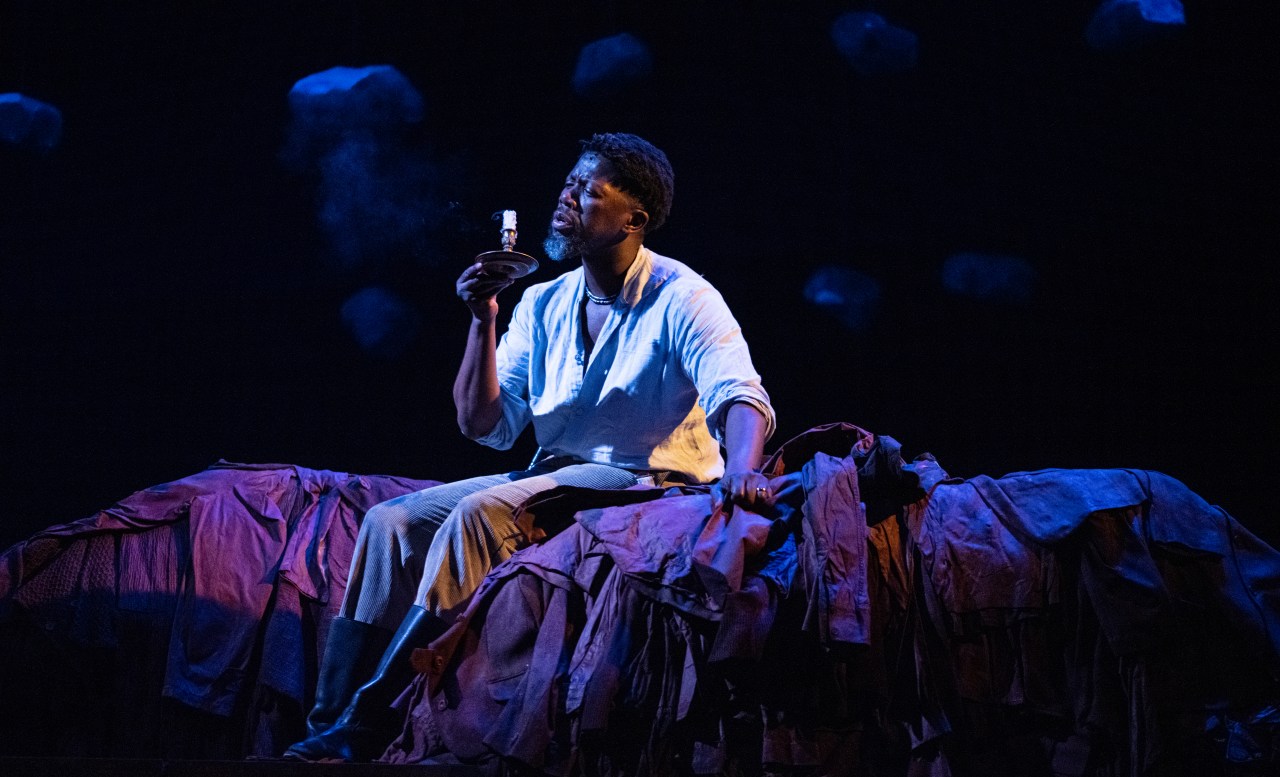
In a recent adaptation of Othello by Lara Foot at The Baxter in Cape Town, the play takes on a post-colonial perspective by transposing the action to German-occupied South West Africa. This setting allows for a deeper examination of Othello’s identity and the effects of colonization on the indigenous people of Namibia. The adaptation also incorporates translations of Frantz Fanon’s writings, adding a contemporary and thought-provoking layer to the narrative.
The production at The Baxter features a visually striking design by Gerhard Marx, evoking the eerie emptiness of Namibia’s desert and highlighting the historical context of the genocide against the Herero and Nama people. The use of African languages in the play, such as isiXhosa and Afrikaans, adds authenticity and depth to the storytelling.
The cast of the production delivers powerful performances, with Atandwa Kani as Othello and Albert Pretorius as Iago embodying their respective characters with nuance and depth. The play delves into themes of displacement, identity, madness, and morality, inviting the audience to reflect on their own beliefs and prejudices.
Ultimately, Othello challenges the audience to confront the complexities of race, identity, and power dynamics in society. It forces viewers to question their complicity in perpetuating stereotypes and biases, urging them to consider who the true savages are in a world marked by deception and betrayal.
Through its thought-provoking themes and gripping performances, Othello at The Baxter offers a fresh perspective on Shakespeare’s classic tragedy, prompting audiences to reexamine their own beliefs and attitudes towards race, identity, and moral integrity.
Read the original article on Daily Maverick